
For hockey players and fans alike, the final whistle doesn’t always signal the end of the game. Yes, the physical action might stop. Yet mentally, the competition continues. Whether it’s replaying key moments, analyzing decisions, or thinking ahead to the next matchup, competitive minds rarely switch off completely.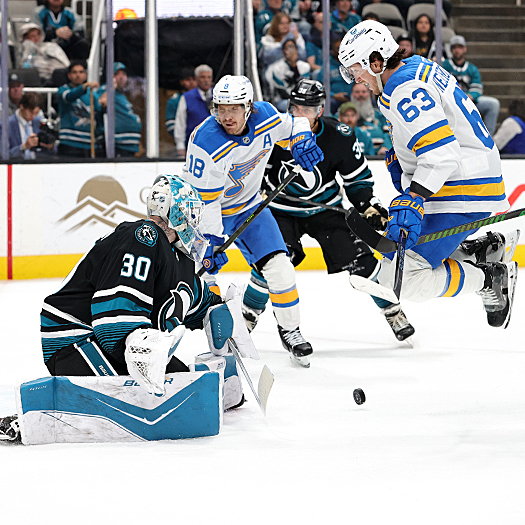
This mindset is deeply ingrained in the culture of hockey. From early development through to professional levels, players are taught to constantly evaluate performance. Every shift matters. Every mistake is a learning opportunity. Every success sets a new benchmark.
Over time, this creates a habit of continuous mental engagement, even after leaving the ice.
The Psychology of Competition
At the heart of this behavior is a strong internal drive. Competitive individuals are wired to seek improvement. Well, that doesn’t stop when the game ends. The brain keeps working as it processes what happened and identifies areas for growth.
This can show up in small ways, such as:

- Replaying missed chances and defensive lapses
- The visualization of alternative outcomes
- Thinking about strategies for future games
- A comparison of performances against teammates or opponents
For hockey players, this mental replay can be both a strength and a challenge. It sharpens awareness and fuels development, yes, but it can also make it harder to fully relax.
From the Ice to Everyday Life
What’s interesting is how this competitive mindset extends beyond hockey. Players and fans alike will carry the same patterns into other areas of life. Work. Fitness. Entertainment. Whatever it is, there’s a tendency to seek challenge, engagement, and measurable outcomes.
This is why many competitive individuals gravitate toward activities echoing the structure of sport. They seek clear rules and immediate feedback, along with the potential for progression. It’s less about switching off completely and more about redirecting that competitive energy into a different format.
The Role of Interactive Entertainment
Digital platforms have become a natural outlet for this mindset. Interactive experiences, particularly those involving strategy and risk, offer a familiar sense of engagement. They supply a way to stay mentally active without the physical demands of sport.
For example, an online casino in Canada reflects how competitive instincts carry over into digital environments. With a wide range of games, including slots and tables, it offers opportunities to engage with risk and reward in a structured way.
The appeal isn’t simply down to entertainment. It’s also the ability to make decisions, anticipate outcomes, and stay mentally involved. For individuals familiar with the pace and pressure of hockey, this type of experience can feel like a natural extension of competition, even in a more relaxed setting.
Learning to Switch Off – Or Not
The idea that competitive minds should completely switch off isn’t always realistic. For many, that constant engagement is part of what drives success. Instead, the key is balance. It’s knowing when to channel that energy, and when to step back.
For instance, in hockey, recovery is just as important as performance. The same applies mentally. Finding ways to unwind without losing that sense of focus, it can assist with long-term performance, both on and off the ice.
Photo Credit: Jack.Lima@prohockeynews.com
