
On first glance, the icy arenas of professional hockey and the virtual felt of online poker uk might seem worlds apart. Yet, when you peel back the layers, both domains are fascinating playing fields for the study of tactics, anticipation, and risk management. Hockey players hone their physical instincts and strategic vision, while online poker players master the subtle art of reading opponents and making high-stakes decisions. In both arenas, success emerges from a delicate balance of planning, adaptability, and courage under pressure.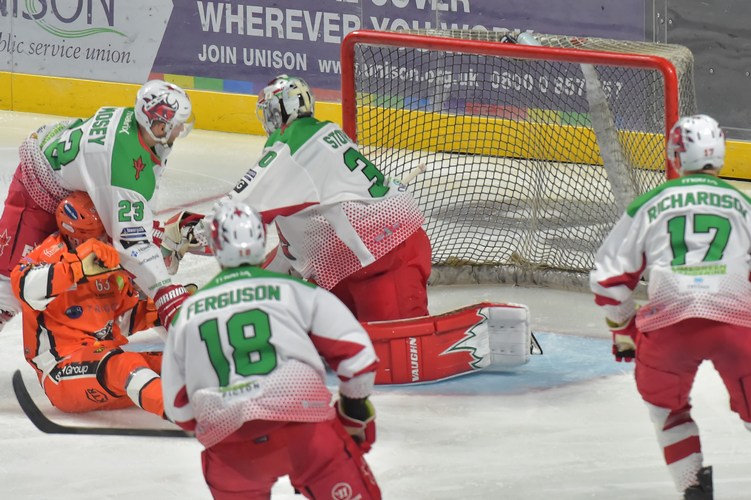
The art of tactical decision-making
Tactics are at the heart of both professional hockey and online poker. In hockey, every shift demands quick thinking, coordinated plays, and strategic adjustments. Coaches draw up plays, players communicate on the fly, and each decision can shape the game’s momentum. Positioning, timing, and line changes are just a few examples where tactical thoughts drive actions on the ice. Similarly, in online poker, players must recognize patterns, adapt to shifting tables, and choose the right moments to push their chips in or fold their hands. The strategy evolves not just game by game, but hand by hand, requiring constant calibration.

Both sports punish rigidity. A hockey team sticking to a rigid system against a dynamic opponent often struggles to adjust and gets left behind. The same is true for poker players who rely too heavily on set formulas or fail to adapt to their opponents’ tendencies. The key lies in recognizing when to stick to an initial plan and when to switch tactics in response to new information. This flexible approach, grounded in constant observation and assessment, is what links winning hockey teams and successful online poker players alike.
Anticipation: reading the play and the player
Anticipation separates good competitors from great ones. In professional hockey, players scan the ice, read plays before they unfold, and intercept passes or exploit gaps. Anticipatory skills are honed through hours of practice, video analysis, and in-game experience. Knowing when an opponent is about to change lines or adjusting defensive positioning to anticipate a cross-ice pass exemplifies this high-level thinking. It’s not only reaction, it’s proactive movement shaped by pattern recognition and instinct.
Online poker is an arena where anticipation becomes mental chess. Players spend countless hours studying betting patterns, body language via webcam, and even chat-box banter to get an edge. Predicting an opponent’s next move, be it a bluff, value bet, or a sudden fold, requires careful attention and creative reasoning. Anticipation in poker is about identifying tells and inferring hidden intentions, much like a hockey defenseman reading a forward’s body language. The better a player becomes at this skill, the greater their safety net against costly errors.
Risk management: balancing caution and aggression
Managing risk is a cornerstone in both hockey and online poker. While fast breaks and bold plays can tilt the ice toward victory, reckless aggression often leads to turnovers and penalties. Hockey coaches preach discipline, knowing when to push the pace and when to tighten up defensively. Players weigh the odds of squeezing a shot through traffic or making a safe zone exit. The ultimate objective is maximizing scoring chances while minimizing exposure to counterattacks.
In online poker, every hand is a lesson in risk and reward. Players calculate pot odds, assess their stack size, and measure the risk involved in chasing a big draw versus folding early. Moving all-in may pressure weaker opponents, but overuse of aggressive tactics can lead to quick elimination. Bankroll management stands as a parallel to a hockey team managing a player’s ice time: both must conserve resources while deploying them strategically for maximum impact. The winners in each world are those who blend bravery with prudence, never letting emotion outweigh strategy but unafraid to seize opportunity when the time is right.
Crossover lessons and the world of competitive thinking
Professional hockey and online poker both attract individuals who thrive on competition and continual self-improvement. The skills developed in one often benefit the other. Many hockey professionals have been known to play poker in their downtime, citing the mental similarities between reading an opponent on the ice and at the card table. The reverse is also true: poker players who adopt an athletic mindset often develop heightened discipline and adaptability, traits crucial for success in any competitive pursuit.
Both disciplines require sticking to a game plan while being ready to improvise, learning from mistakes without succumbing to frustration, and realizing that outcomes are shaped as much by preparation as by execution in the heat of the moment. For fans and practitioners alike, the connection between tactics, anticipation, and risk management in hockey and online poker reveals just how universal the challenges of competition truly are.
Photo Credit: Michael.Johnson@prohockeynews.com
