
Hockey has a way of pulling people in almost instantly. Whether someone turns up at the rink for a casual skate or sits down to watch their first match, the sport’s mix of speed, noise, and constant motion makes it unusually compelling. A lot of newcomers find themselves hooked fairly quickly once they get used to the sport. And the more time they spend at the rink, the more the place feels comfortable and familiar. The blend of physical effort, shared excitement, and a friendly community atmosphere creates a welcoming environment for anyone curious about stepping onto the ice for the first time.
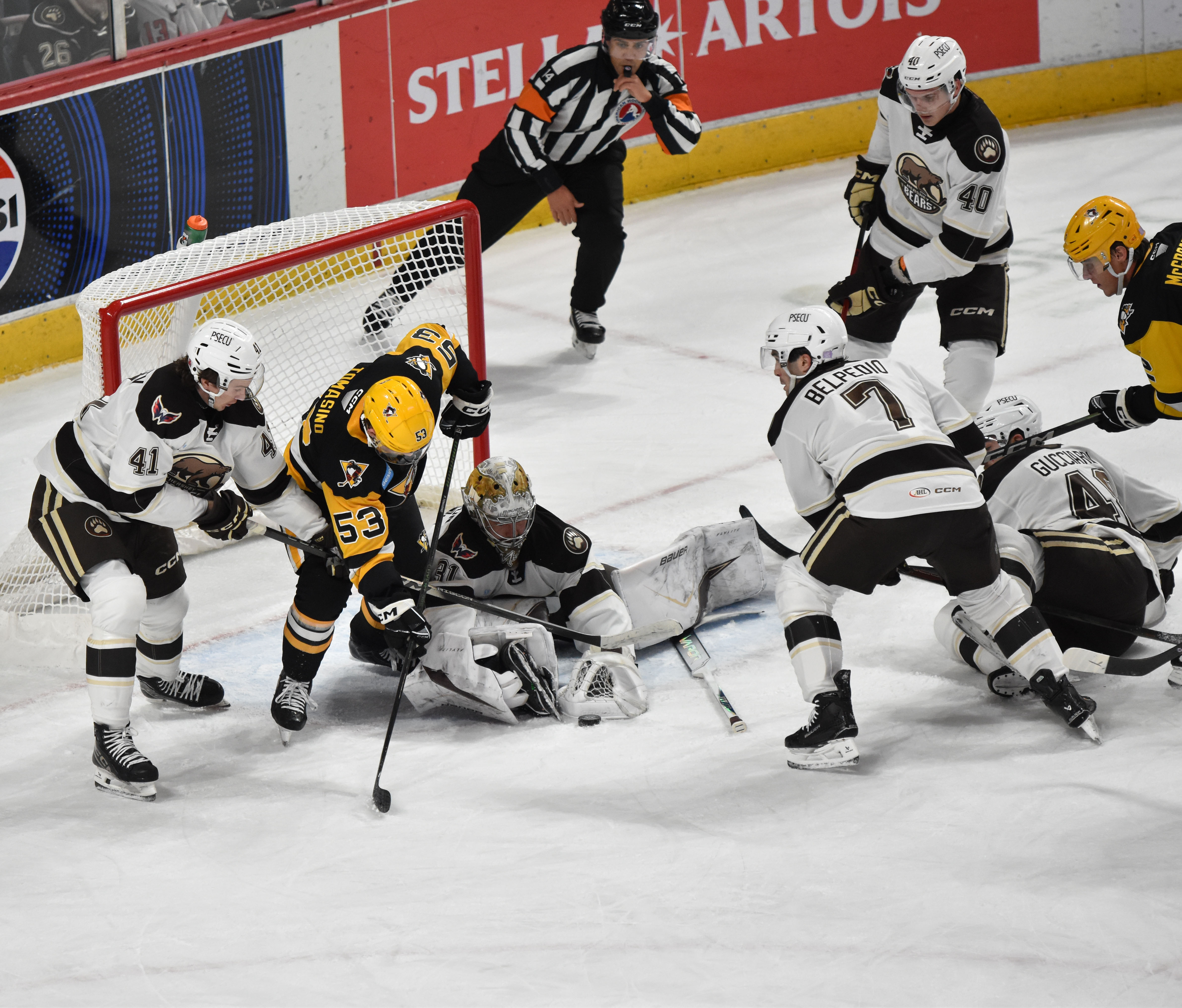
Saturday, November 29, 2025, the Hershey Bears vs the WBS Penguins. The Bears beat the Penguins by the score of 6-2.Photo by Steve.Rusyn@prohockeynews.com
The Physical Challenge That Draws People In
For a lot of beginners, the first real surprise is how quickly the physical side of hockey becomes enjoyable. Once the early nerves fade, skating starts to feel a bit more natural. Those early sessions are mostly about finding balance, getting used to shifting your weight, and figuring out how to move with a bit more confidence. It’s genuinely satisfying when you suddenly realize your turns are smoother or your stride feels stronger.

As folks begin to enjoy the fast pace, they often end up wanting another way to stay involved in the game. For some, putting a small bet on a game gives them another way to follow along. For those interested in exploring this, be sure to check out these interesting offers, which include beginner-friendly bets such as moneyline wagers, where you simply pick the team you think will win; puck line bets, the hockey equivalent of a point spread that adds challenge and better odds; and prop bets that focus on fun in-game events like who will score first or how many shots a player will take.
Beginner sessions often revolve around simple, confidence-building drills. Cone weaving helps newcomers trust their edges, while basic wall-pass exercises give them a feel for how the puck responds on the stick. These small building blocks gradually add up, and with each new skill mastered, the sport becomes more accessible and far less intimidating.
The Pace, Energy, and Atmosphere of the Game
Once players feel steadier on their skates, they begin to notice the flow of the game a bit more. Hockey moves fast, faster than most expect, and there isn’t much downtime. It’s all quick bursts, changes of direction, and reacting to whatever comes next. For anyone just starting out, a brief spell on the ice can feel surprisingly hectic. They might be rushing after a puck that’s broken loose or just trying to line up their stick properly.
The atmosphere around them only lifts that feeling. The scrape of blades on fresh ice, the thump of the puck on the boards, and the noise from teammates create something that sticks with people. They might not know every detail of the game yet, but the mix of sound and activity on the rink draws them in straight away.
Teamwork, Support, and the Community Around the Rink
A big part of hockey’s appeal comes from the people around it. New players sometimes worry they’ll hold the group back, but most beginner sessions are genuinely supportive. Teams tend to encourage talking on the ice, calling out for passes, giving small bits of advice, or acknowledging a good effort, so communication becomes second nature fairly quickly.
It doesn’t take long for friendships to build in that kind of environment. Everyone’s learning at roughly the same pace, so there’s an easy sense of working towards something together. For many newcomers, the social side ends up being just as rewarding as the skating and the drills, and it’s often what brings them back week after week.
Learning the Game and Enjoying the Mental Challenge
There’s more to hockey than skating and shooting. New players soon start paying more attention to where they’re standing, how things are unfolding around them, and when it feels right to step in. It needs attention, though it never feels overwhelming. As they settle into the rhythm, they start spotting how their choices shape what happens next, and that’s a big part of the fun.
This side of the sport keeps people motivated. Progress isn’t always steady. Some sessions feel good, others don’t, but putting the work in usually pays off, and that helps newcomers stay with it.
Many find that the lessons they pick up, like teamwork, discipline, and showing respect, stay with them well beyond the rink and become part of why they keep coming back.
