
Everyone in hockey talks about intangibles.
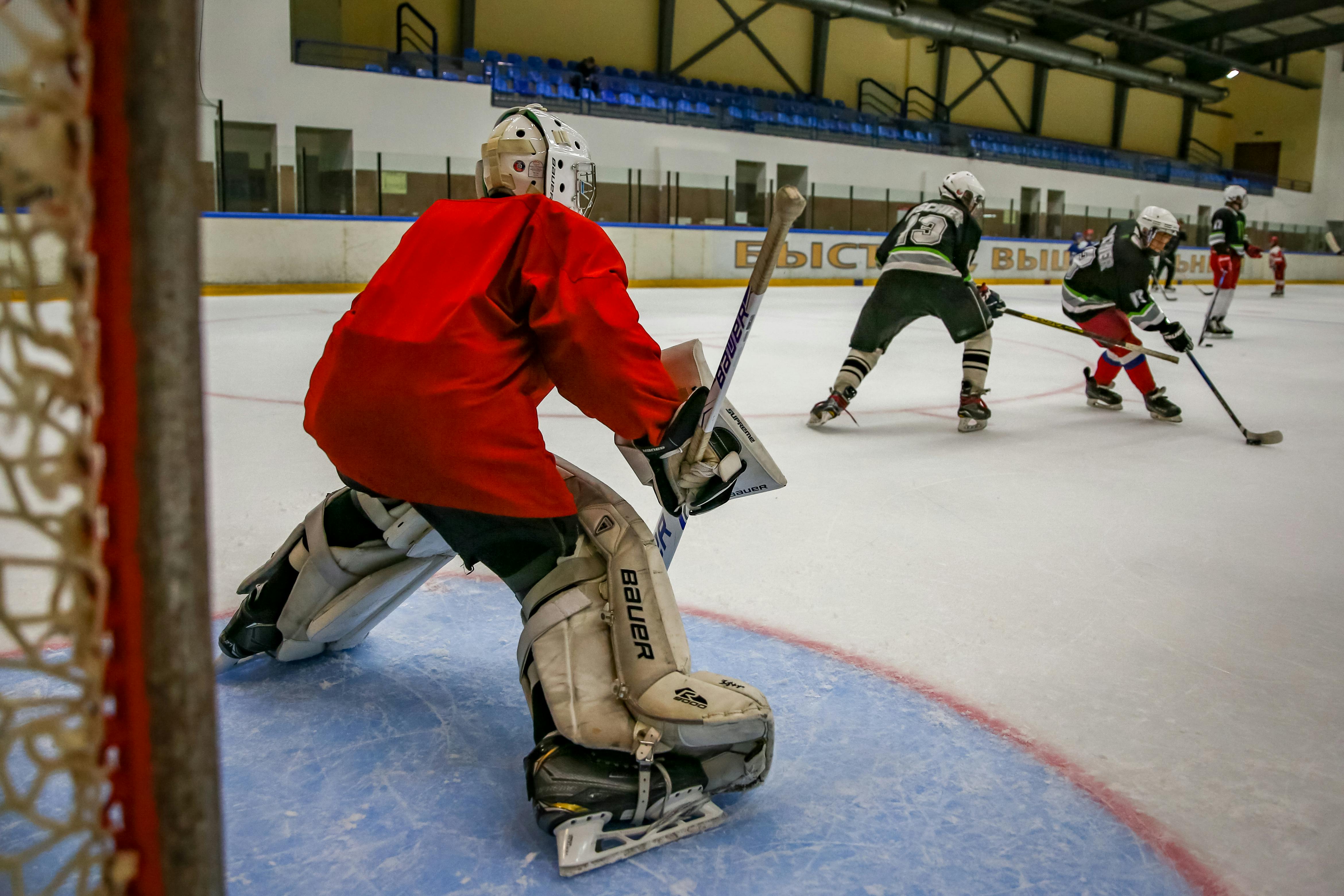
Coaches point to them after tight wins. Analysts mention them when a line looks stronger than the box score suggests. Experienced bettors feel them when a team keeps controlling the flow, even when the shot totals look ordinary.
The problem is not that intangibles are vague. The problem is that many people stop the conversation there.
A lot of what gets called “intangibles” leaves a trail. It shows up in repeatable actions, small territorial wins, and pressure moments that do not headline standard pregame breakdowns. Once those patterns become visible, the sport gets richer to watch, and betting reads become sharper.
Start With the Platform Before the Model
Before digging into deeper hockey metrics, it helps to address the practical side of analysis. Good reads can get distorted by poor execution if the platform experience is unreliable, hard to navigate, or weak on market clarity. Experienced users already know that process matters as much as opinion.
That is why the first upgrade is often simple. Use a high-quality place to bet that presents markets clearly and supports disciplined tracking habits. The point is not excitement. The point is structure. A strong platform helps users compare lines, review options, and stay consistent with how they approach decisions. That consistency matters more when working with under-the-radar signals, because those signals often shape timing and context rather than obvious headline picks.
In hockey betting, edge often comes from interpretation. Clean interfaces and dependable access support that work. They reduce friction and help experienced bettors focus on the game state, instead of wrestling with the tool.
Why “Intangibles” Usually Have a Hockey Trace
When a team looks hard to play against, there is usually a reason that can be tracked.
It may not show up in the first layer of public data. It may not fit into a quick TV graphic. Still, the pattern exists. Strong support routes, quick recoveries, controlled exits under pressure, and smart puck retrievals all shape possession quality. These details influence pace, momentum swings, and line matchups. They also affect how sustainable a team’s performance looks over a full game.
This matters for betting because markets often react fastest to outcomes and headline events. The quieter mechanics move more slowly in public discussion. That gap creates a better context for totals, period markets, and live reads.
A team can look average on the surface while quietly winning the areas that decide the next stretch of play. Another team can look dangerous while living off rush bursts that fade once the forecheck tightens. Experienced bettors benefit when they can separate what is loud from what is durable.
Zone Exits and Puck Retrievals Tell You How a Team Handles Stress
Zone exits are one of the cleanest examples of hidden value. A team that exits with control keeps options alive. It can attack with shape, enter cleaner, and force defenders to back off. A team that keeps chipping pucks out may survive pressure, but it often hands possession right back.
That difference changes the feel of a game.
Controlled exits often support a steadier tempo and cleaner transitions. They can also reduce chaotic defensive sequences, which matters when evaluating totals or expected pressure in later periods. If a team consistently exits well against aggressive forechecks, it can blunt momentum runs that the crowd and broadcast may overstate.
Puck retrievals work the same way. Retrievals are not glamorous, but they are often the start of control. Defenders who get to loose pucks first and move them efficiently can reset the entire shift. Forwards who recover dump-ins and extend possession can tilt the ice without producing instant shots.
From a betting perspective, these actions help answer a better question than “Who has more skill?” They help answer, “Who is more likely to own the next sequence?” That is a stronger way to read hockey, especially in live markets.
Mirror Metrics for Bettors: What to Track Beyond the Usual Numbers
The same thinking applies to betting data. Many people focus on broad trends, recent results, and star-player headlines. Those inputs matter, but they rarely explain the full picture.
Experienced bettors can build a better read by tracking less obvious context markers that mirror hockey’s hidden mechanics.
- Line movement timing: Early movement and late movement can reflect different pressures. One may indicate a sharper opinion, while the other may reflect a broader market reaction.
- Price behaviour across related markets: A shift in a side price with little change in the total, or the reverse, can reveal how the market sees game script risk.
Those signals do not predict outcomes by themselves. They improve interpretation. They help separate a meaningful shift from a noisy one.
Another useful layer is situational performance style. This is where many advanced bettors gain texture without relying on public hype. A team may produce similar results in different spots, but the path can differ a lot.
- Some teams, typically with star players, maintain structure well after conceding and settle the game quickly.
- Some teams look strong early, then lose exit quality as pressure builds.
That kind of pattern lines up directly with under-the-radar hockey metrics. It is the same principle in a different format. Look for what repeats under stress.
You must be logged in to post a comment.