
The NHL has reached the midpoint of the 2026-27 season, and the league’s evolving shape is becoming clearer by the week. On the ice, pace and precision continue to accelerate, while off it, economic and scheduling changes are quietly influencing how teams plan their next moves.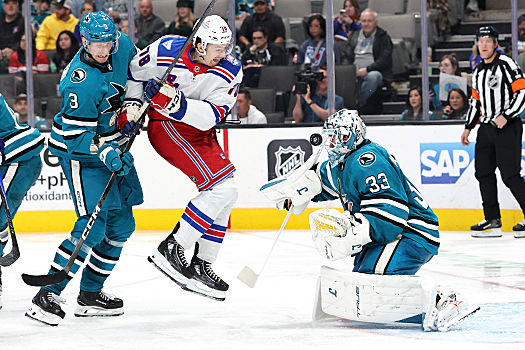
With the expanded calendar, deeper rosters, and more sophisticated data tools now fully embedded, the second half of the campaign looks less like a reset and more like a stress test. The patterns emerging now are likely to define how contenders separate from the rest.
Fan engagement is also part of that equation. Viewing habits, digital interaction, and broader entertainment choices increasingly move in step with league momentum. In that context, activity around marquee matchups often mirrors spikes in attention, including adjacent areas such as fantasy leagues and even popular platforms like nevada online sportsbooks (which are open to residents outside the Silver State too) that tend to track interest when rivalry games or record chases dominate the schedule, impacting the odds at hand. That relationship underscores how closely performance and attention are now intertwined.

Scoring Rates And Shot Profiles
Goals are still coming, but the way teams generate them is shifting. Shot volume remains high, yet the real gains are coming from controlled entries and high-danger looks rather than sheer quantity. NHL EDGE tracking has pushed this evolution by making acceleration and positioning impossible to ignore.
The data illustrates the extremes driving strategy. During the 2025 calendar year, Connor McDavid reached a top skating speed of 24.61 miles per hour, the fastest ever recorded in the NHL EDGE era. Coaches are now building systems around bursts like that, prioritising quick-strike offences over sustained zone time.
Goaltending Usage And Workloads
Goaltenders are feeling the schedule more than anyone. The move to an 84-game season has tightened recovery windows and forced teams to rethink how they allocate starts, especially during compressed stretches. Depth at the position is no longer a luxury.
That added strain was anticipated when the league and players agreed to the longer slate. Reports outlining the CBA changes confirmed the shift to an 84-game schedule. Since then, tandem usage has risen, and fewer clubs are willing to lean on a single workhorse through March.
Trade Deadline Positioning Signals
Financial flexibility is reshaping behaviour well before the deadline. With more room under the ceiling, front offices are signalling intent earlier, either by adding complementary pieces or clearing space for a bigger swing later.
The numbers explain the confidence. The NHL salary cap climbed to $104 million for the 2026-27 season. That increase has encouraged bolder mid-season trades, particularly among divisional rivals who see a clearer path to absorbing contracts without long-term pain.
Fan Interest And Market Attention
Attention patterns remain uneven but revealing. National events still draw, while regional interest fluctuates with competitive relevance and star power. Showcase games continue to act as barometers for broader engagement.
The league’s outdoor spectacles offer one reference point. Context around recent editions, including the 2026 event, shows how viewership can vary depending on matchup and timing, as outlined in coverage of the 2026 NHL Winter Classic. Taken together, the midseason trends suggest a league balancing growth opportunities with the demands placed on its players, where innovation on and off the ice is no longer optional but expected.
Photo Credit: Jack.Lima@prohockeynews.com
