Maryland Sinks Navy in the Crab Pot Tournament

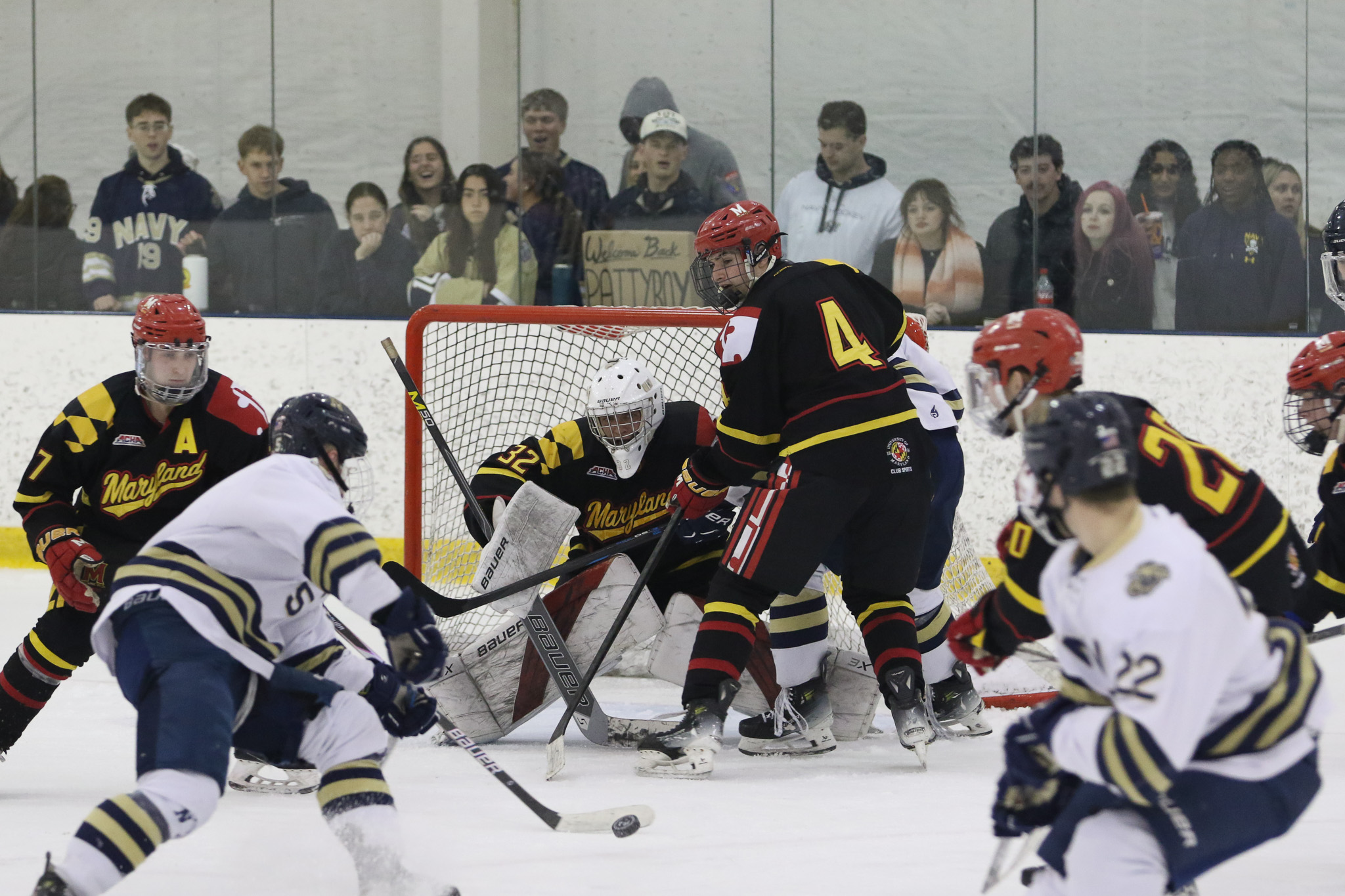
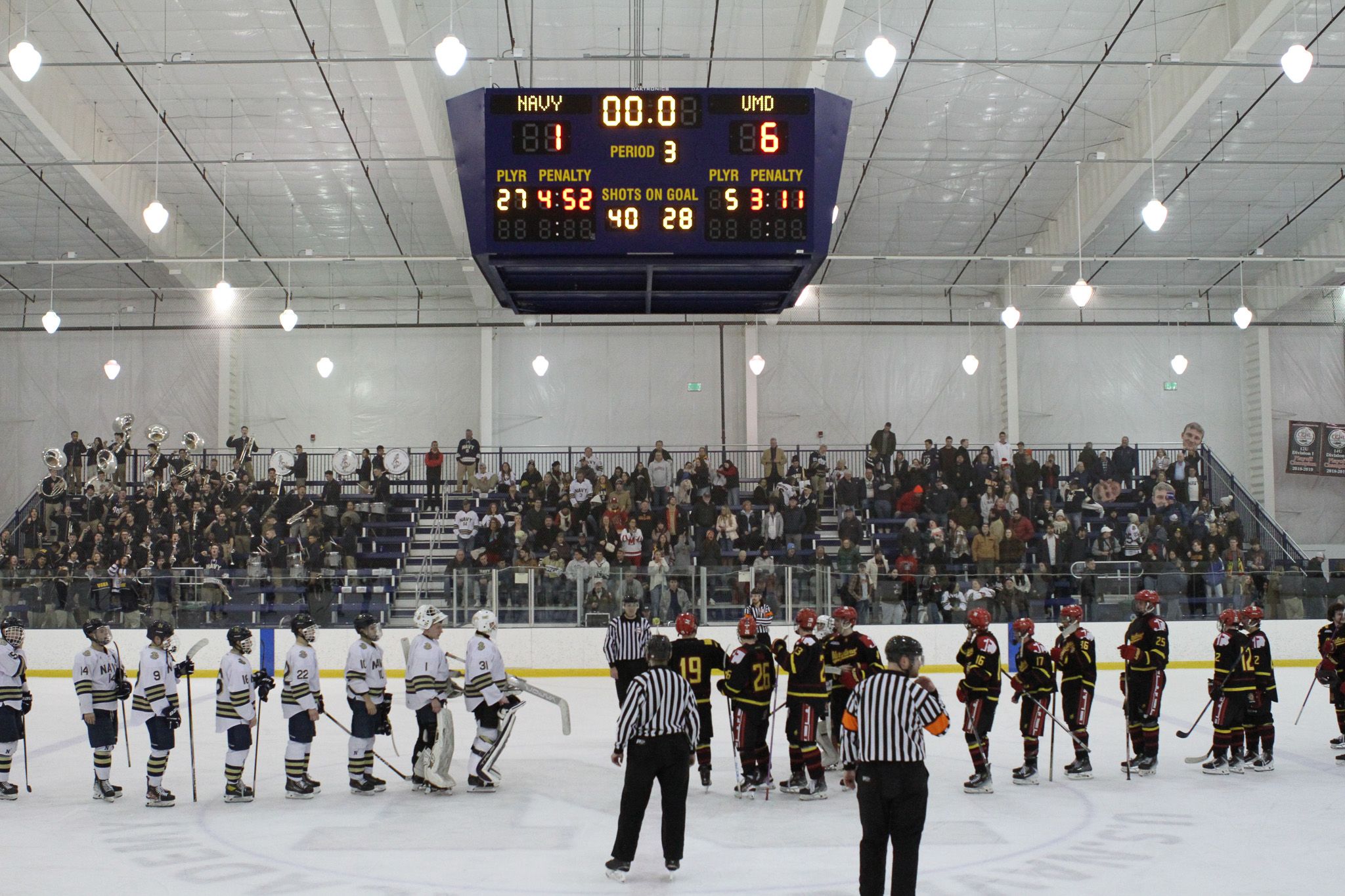
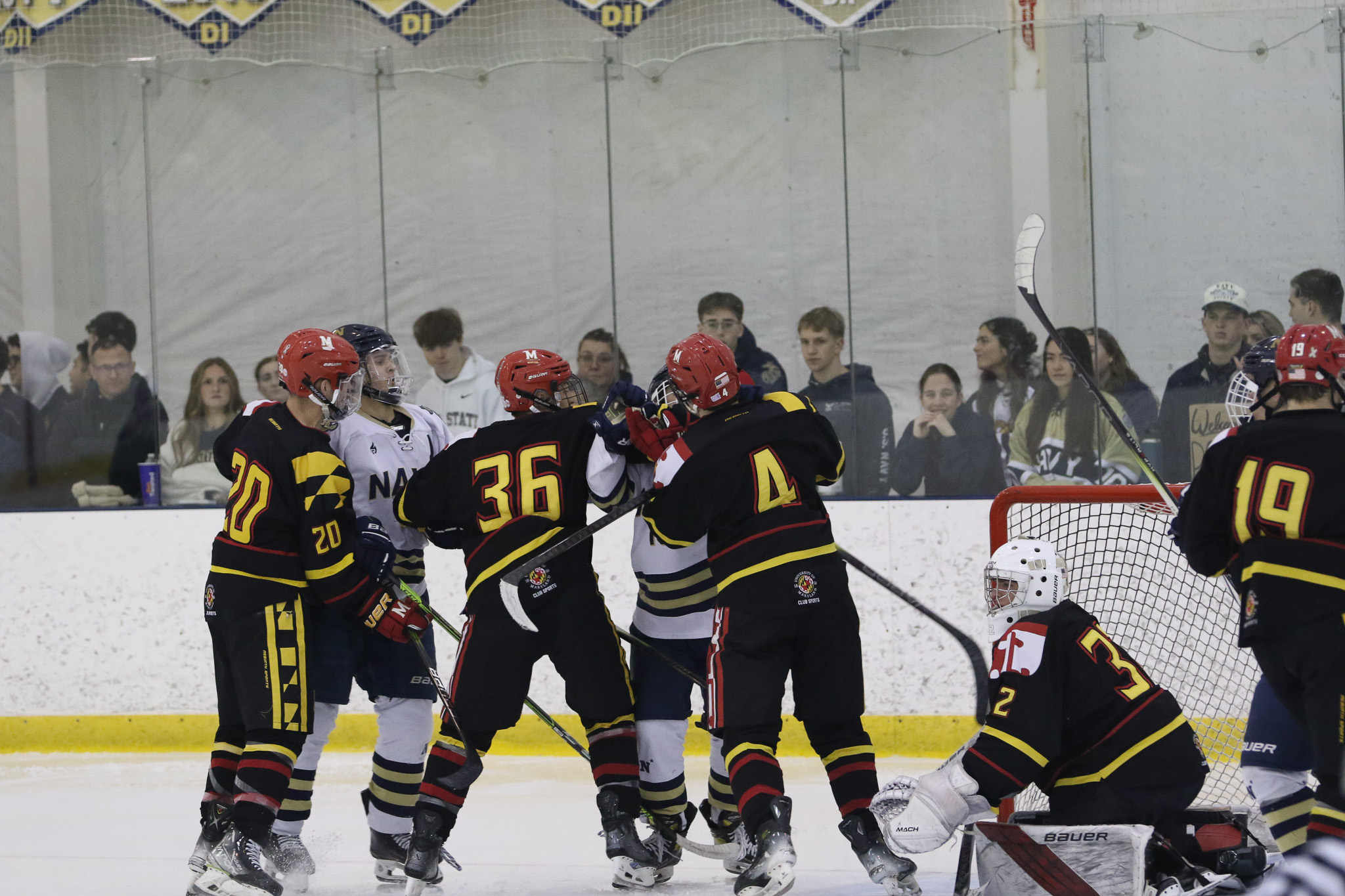
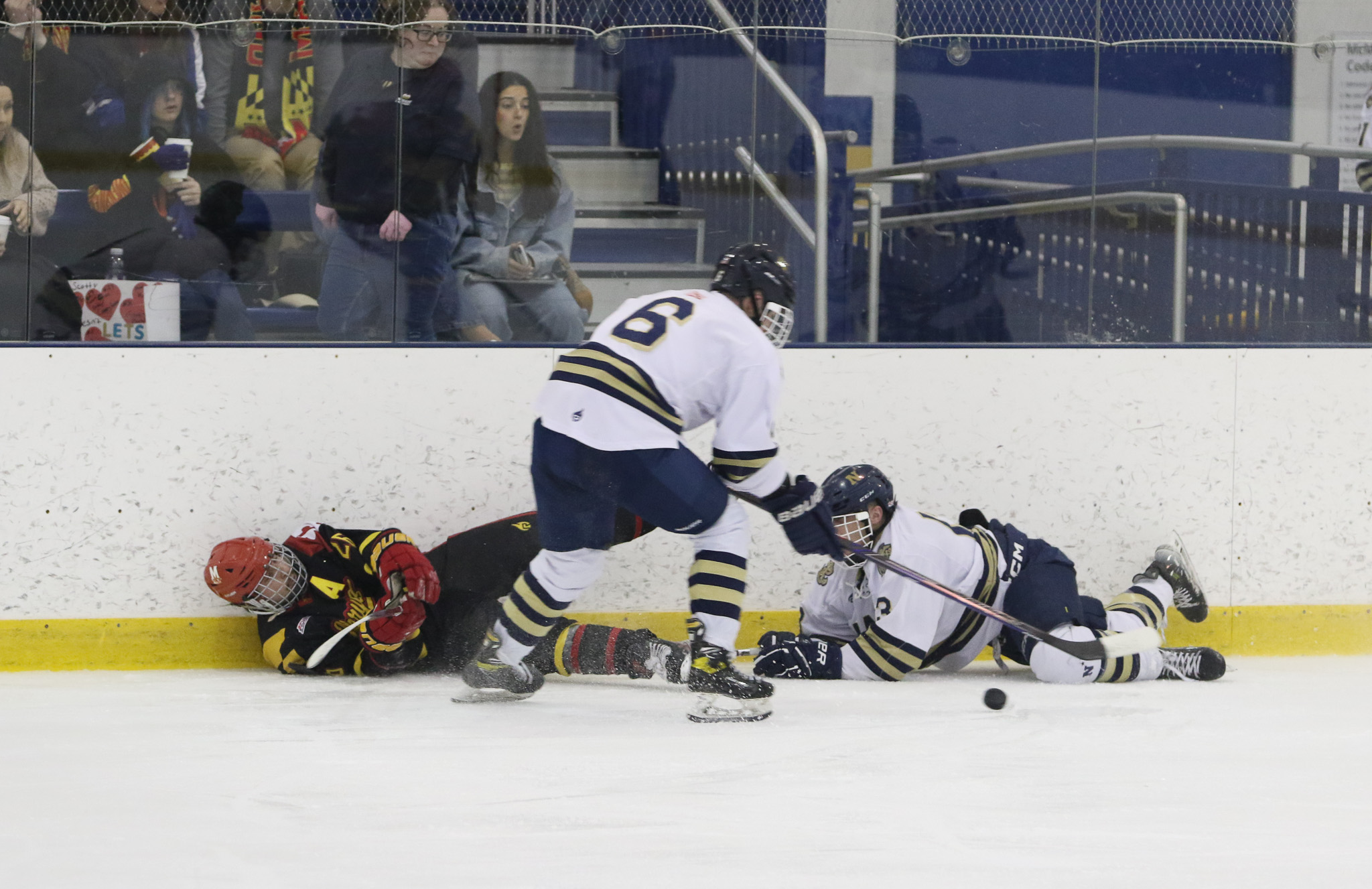
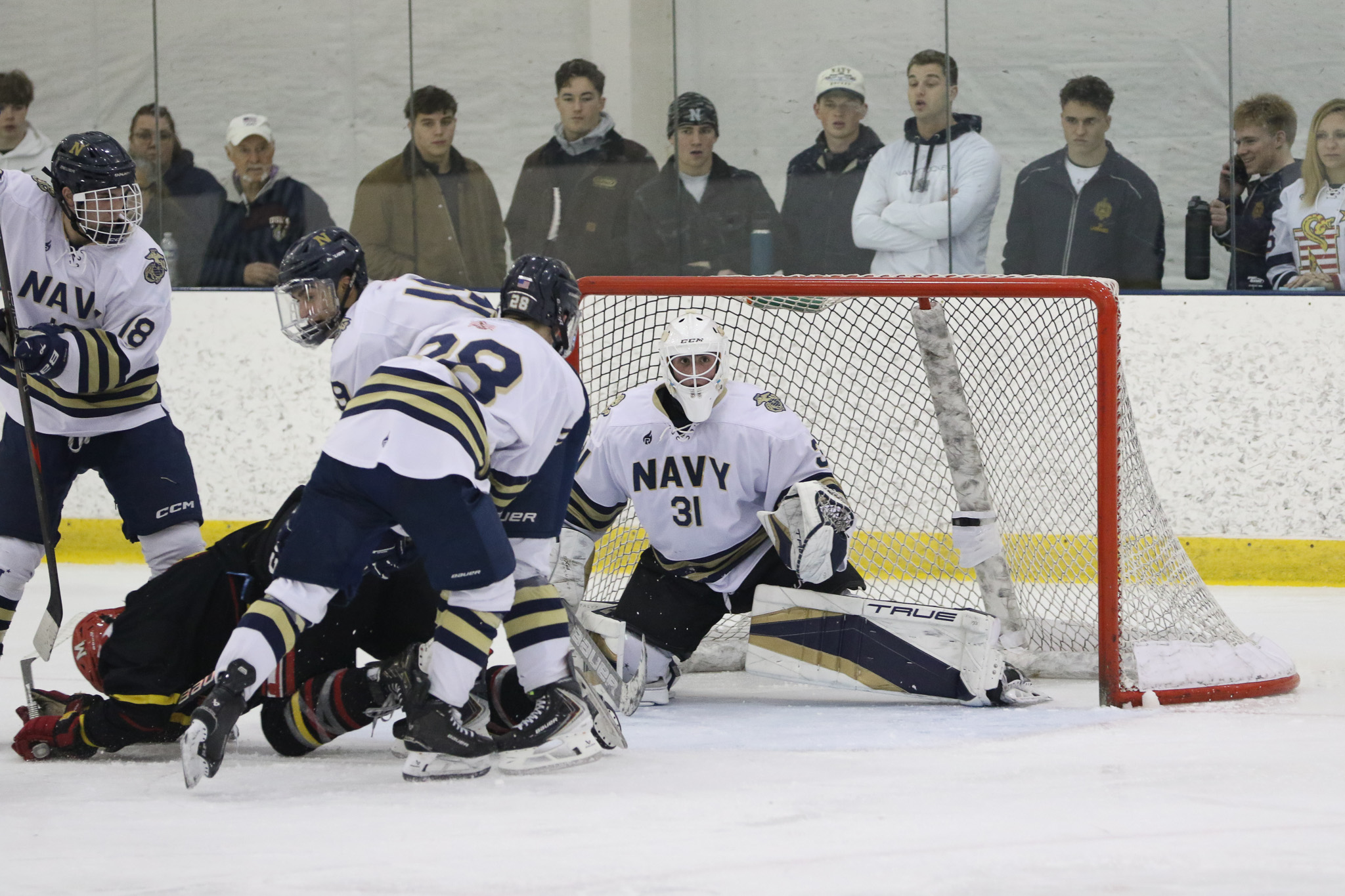
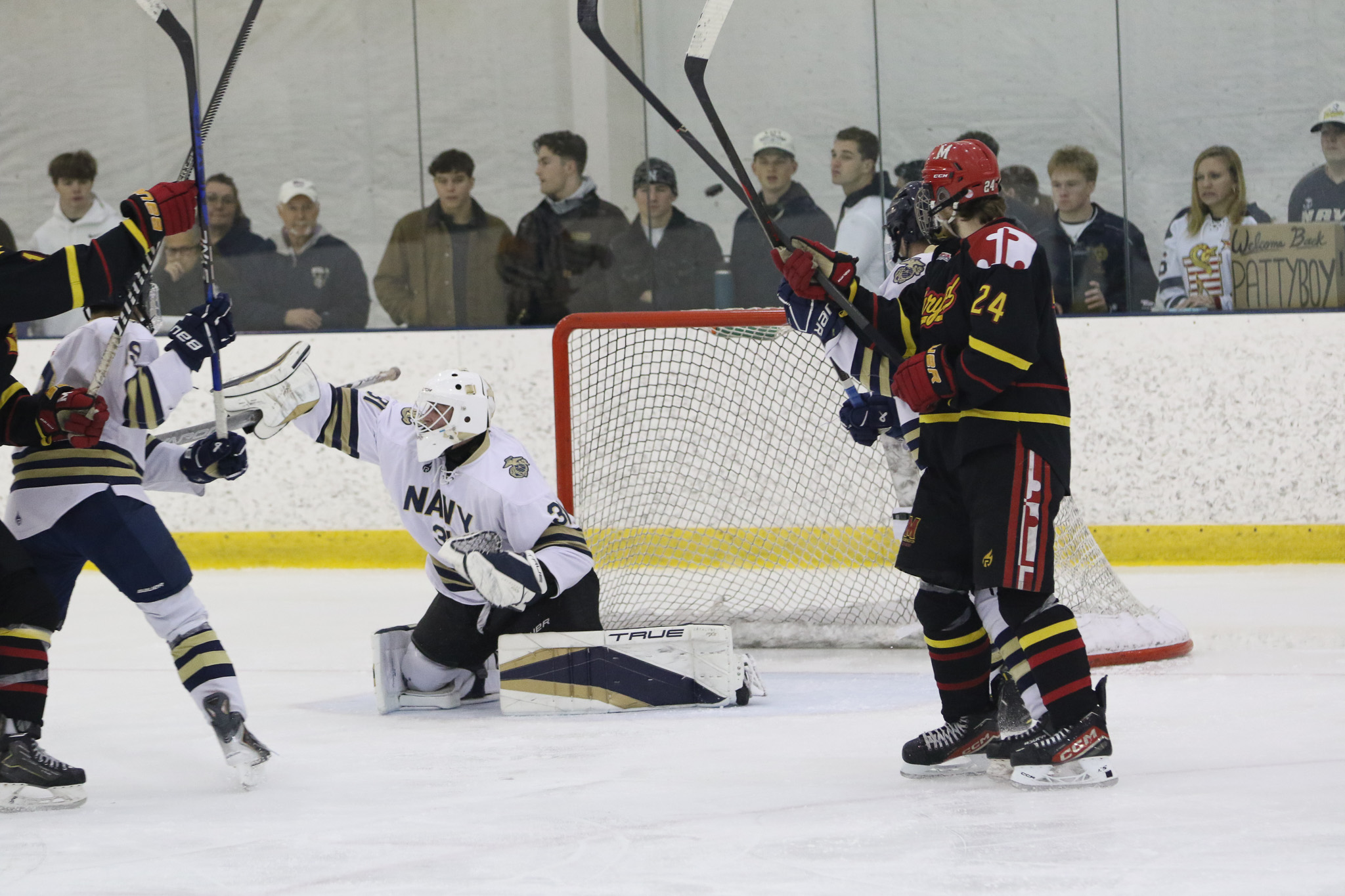
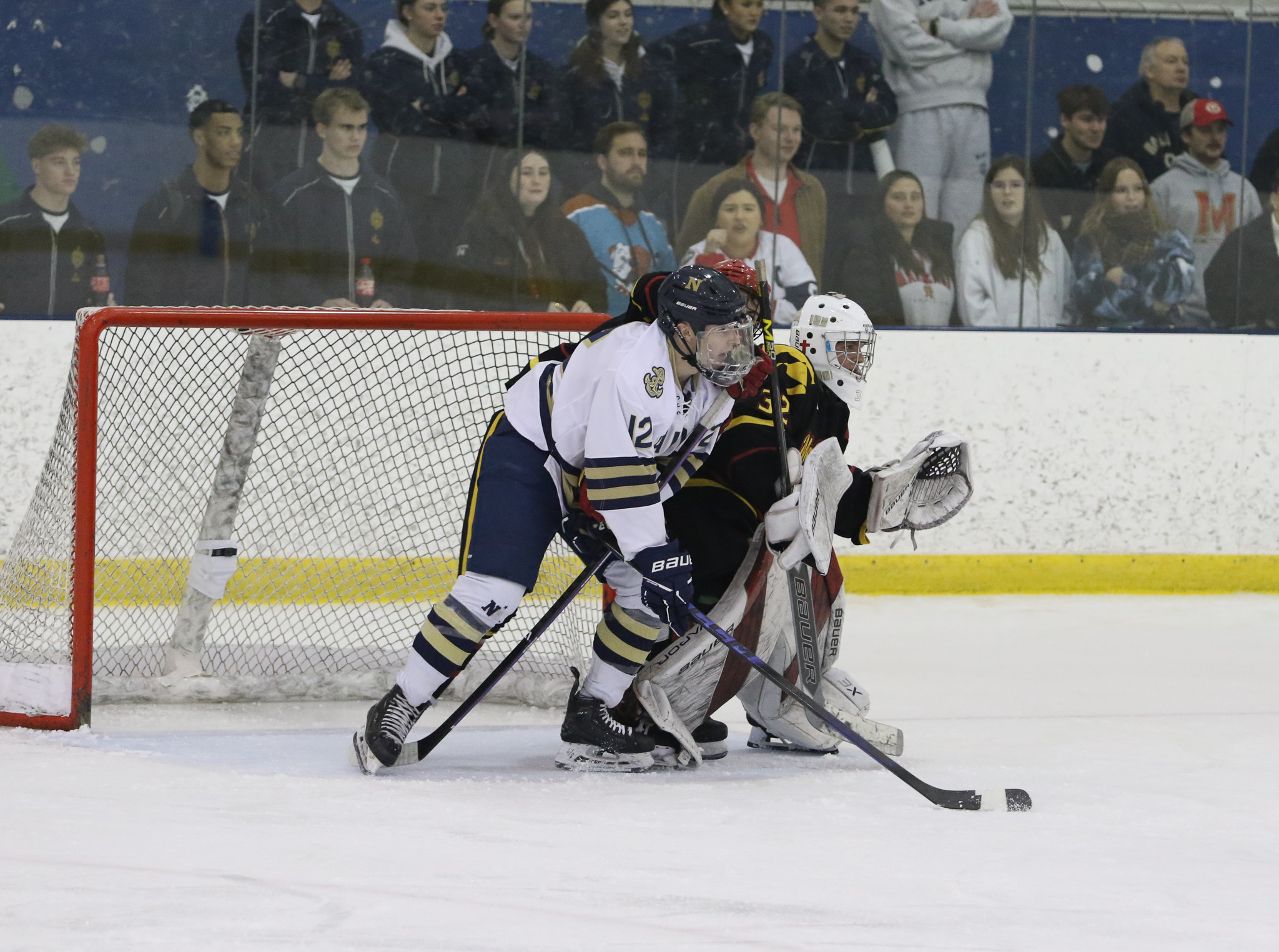
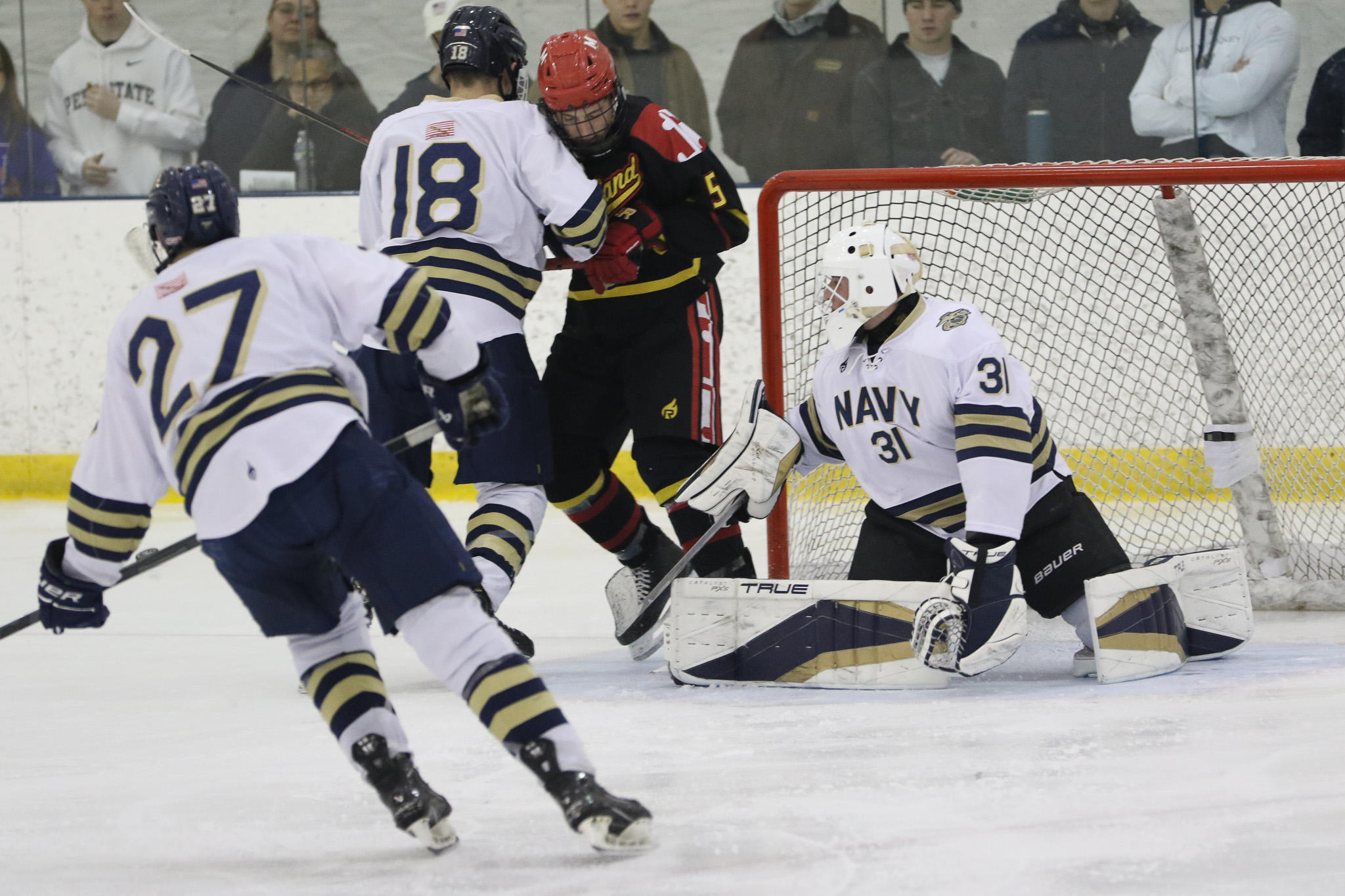
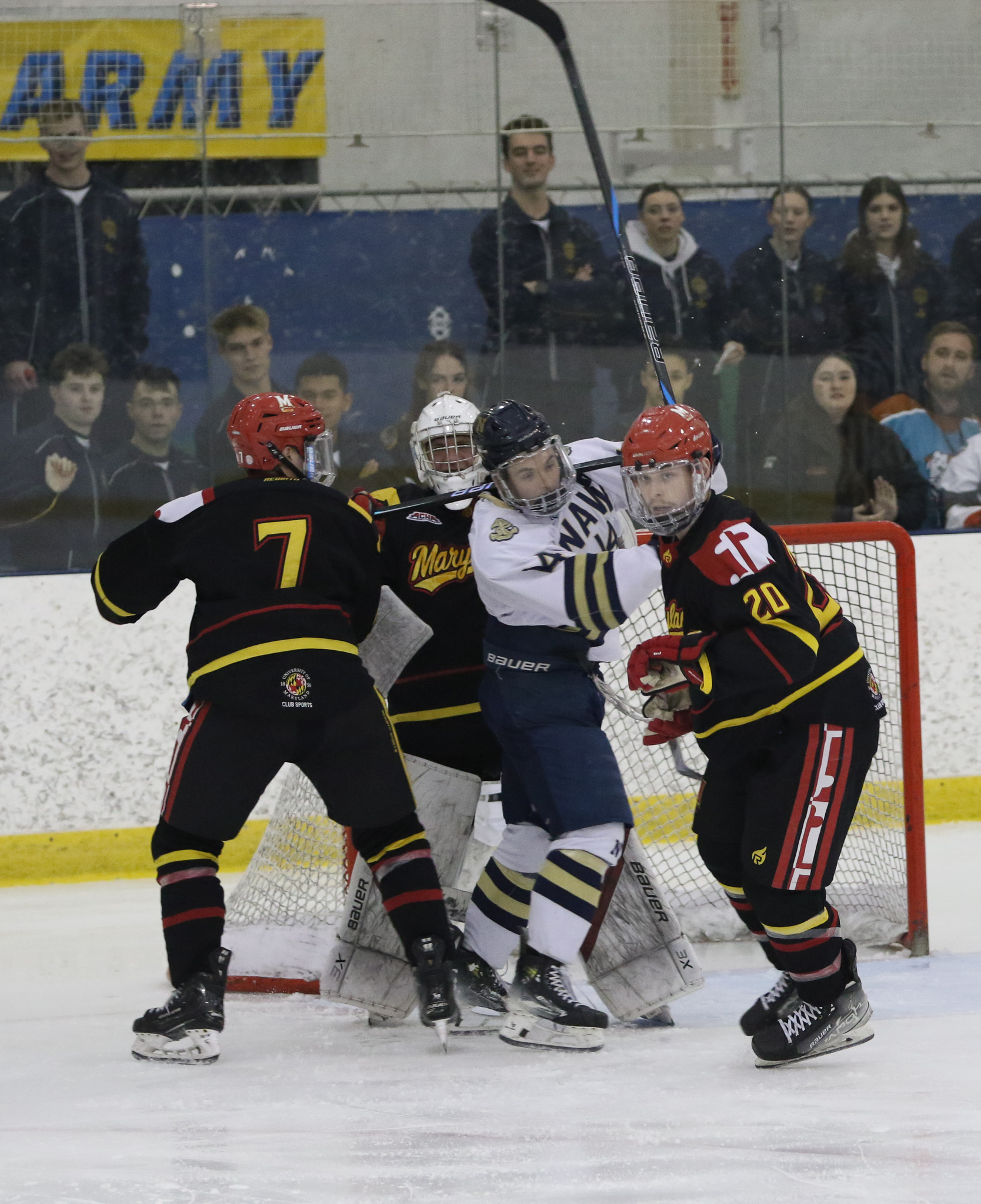
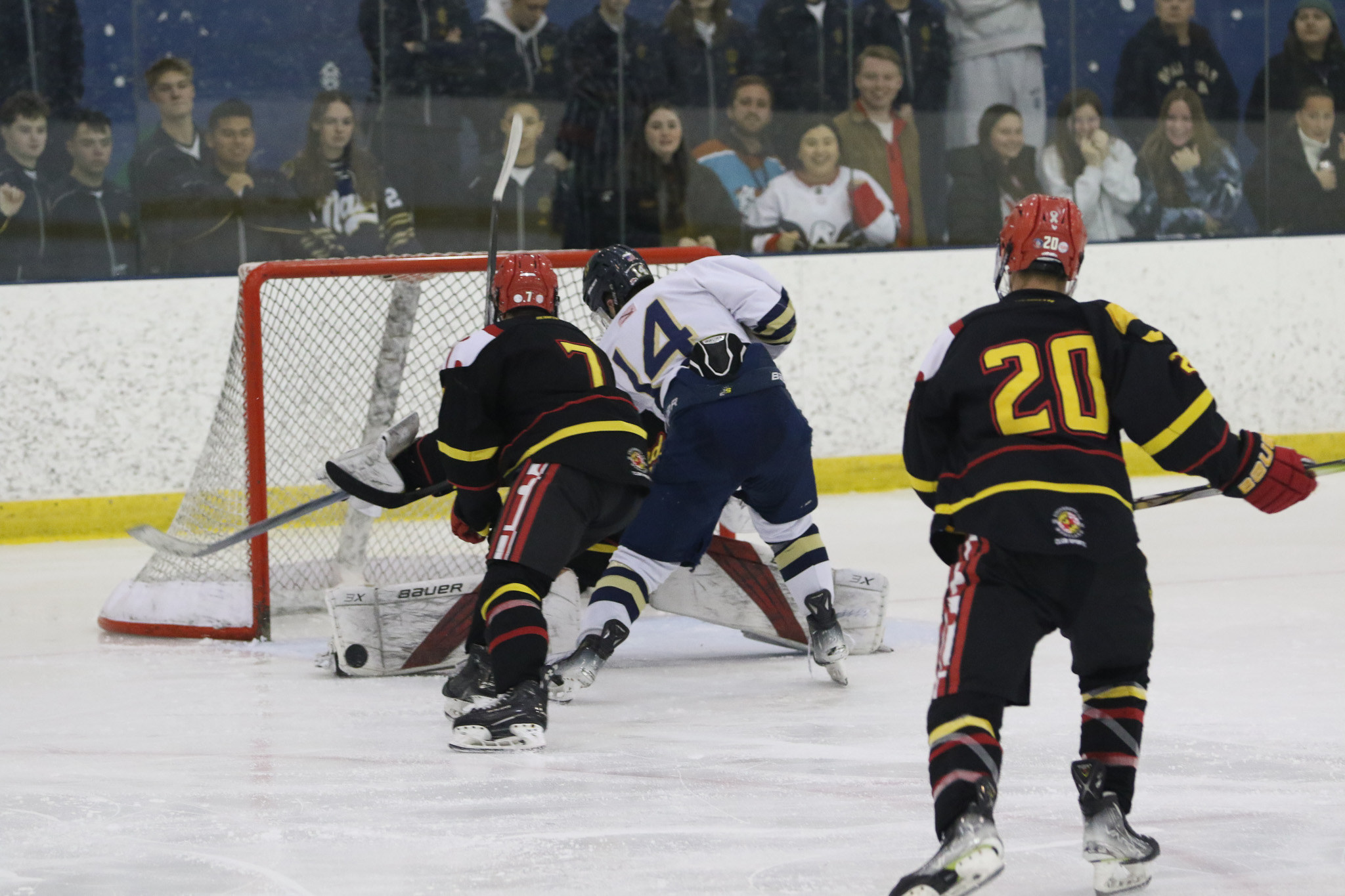
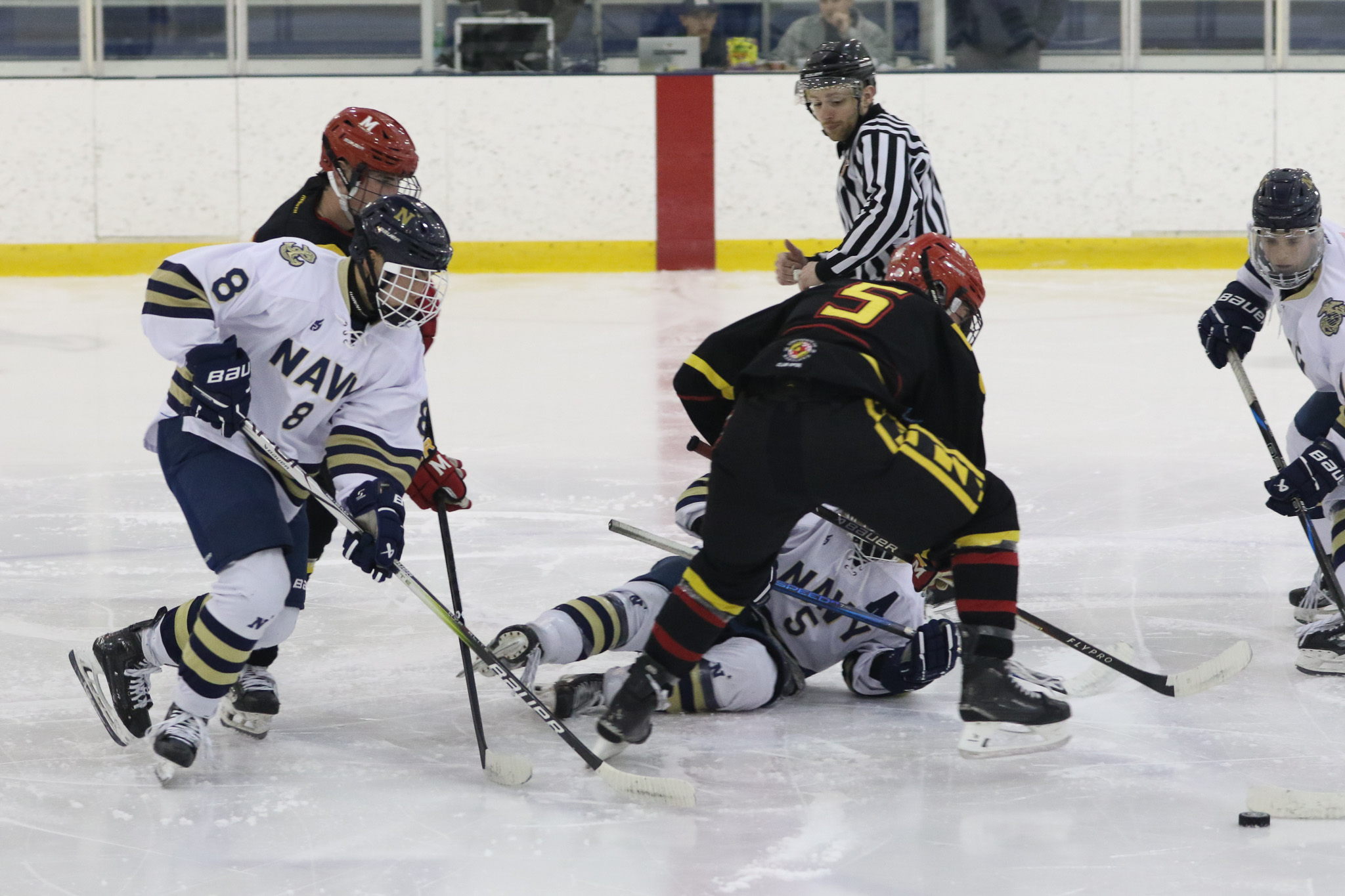
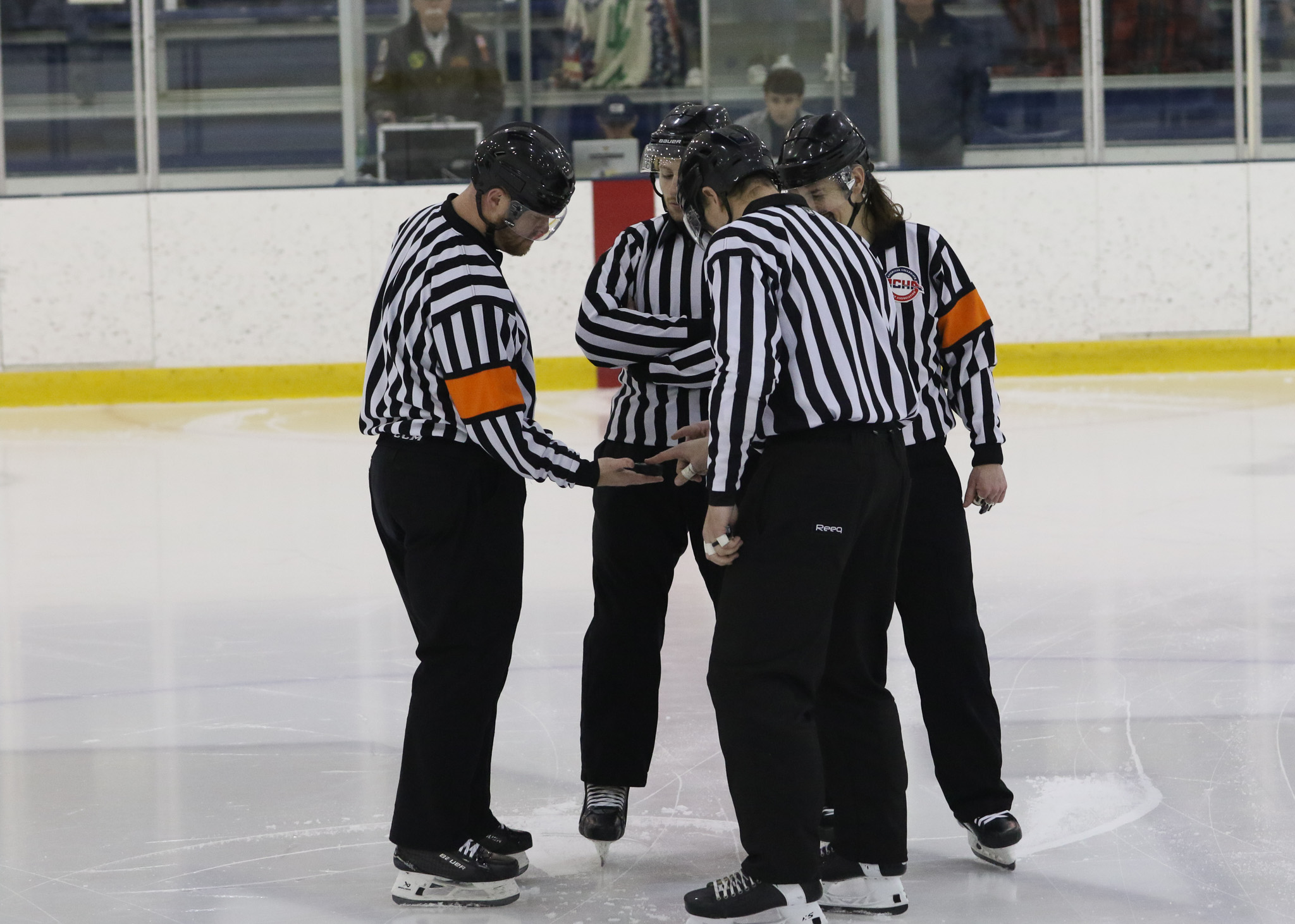
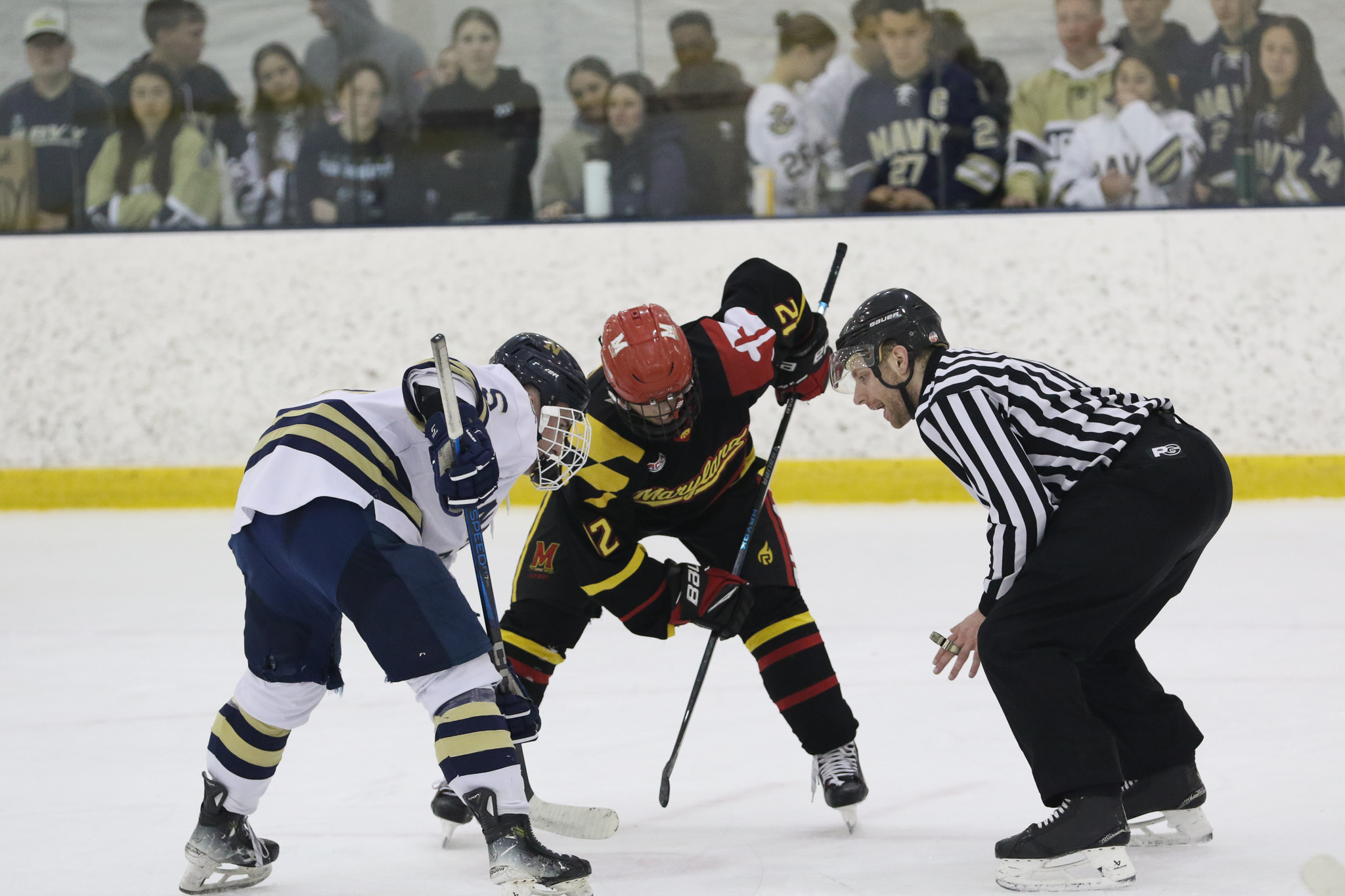
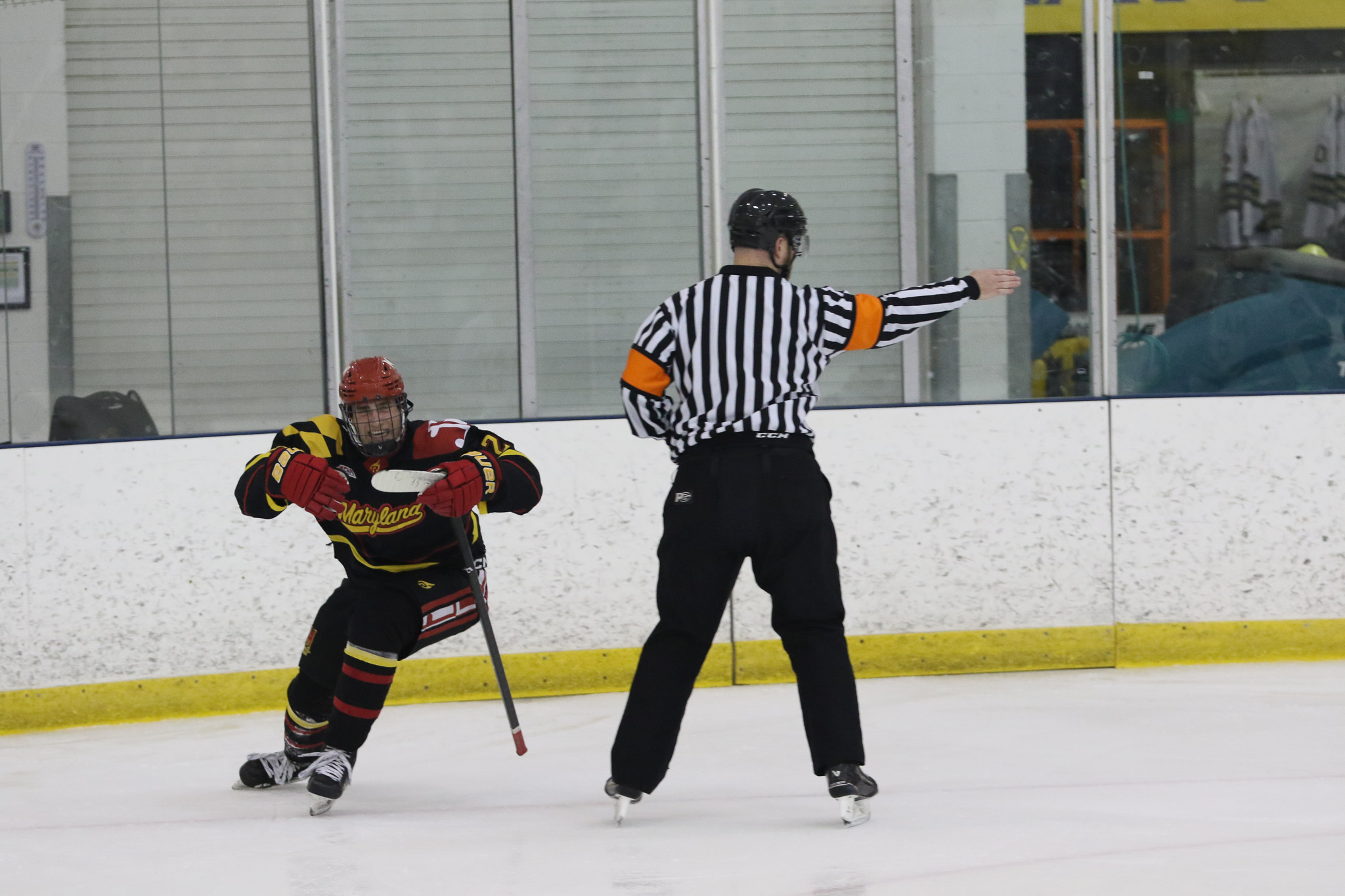
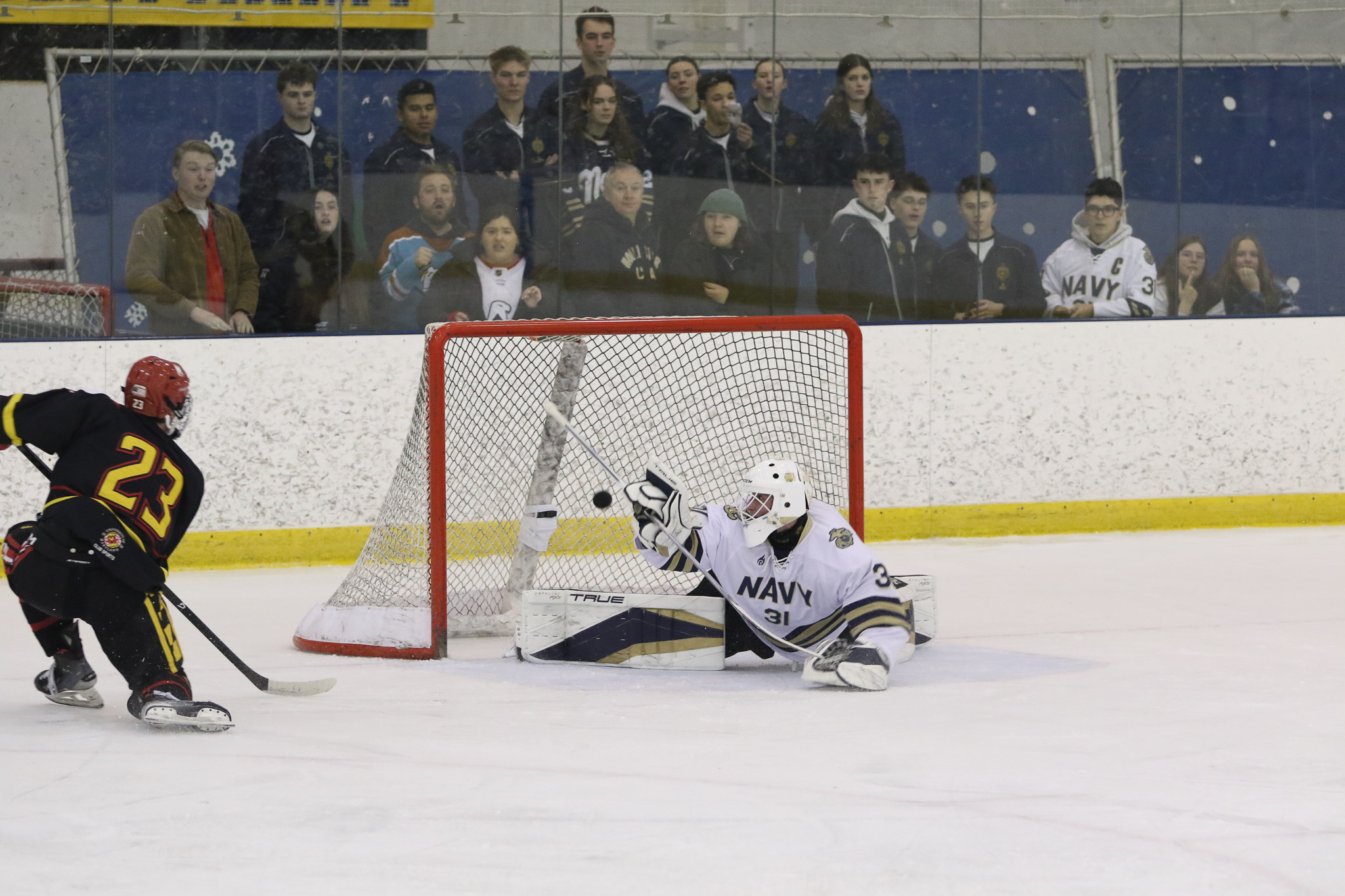
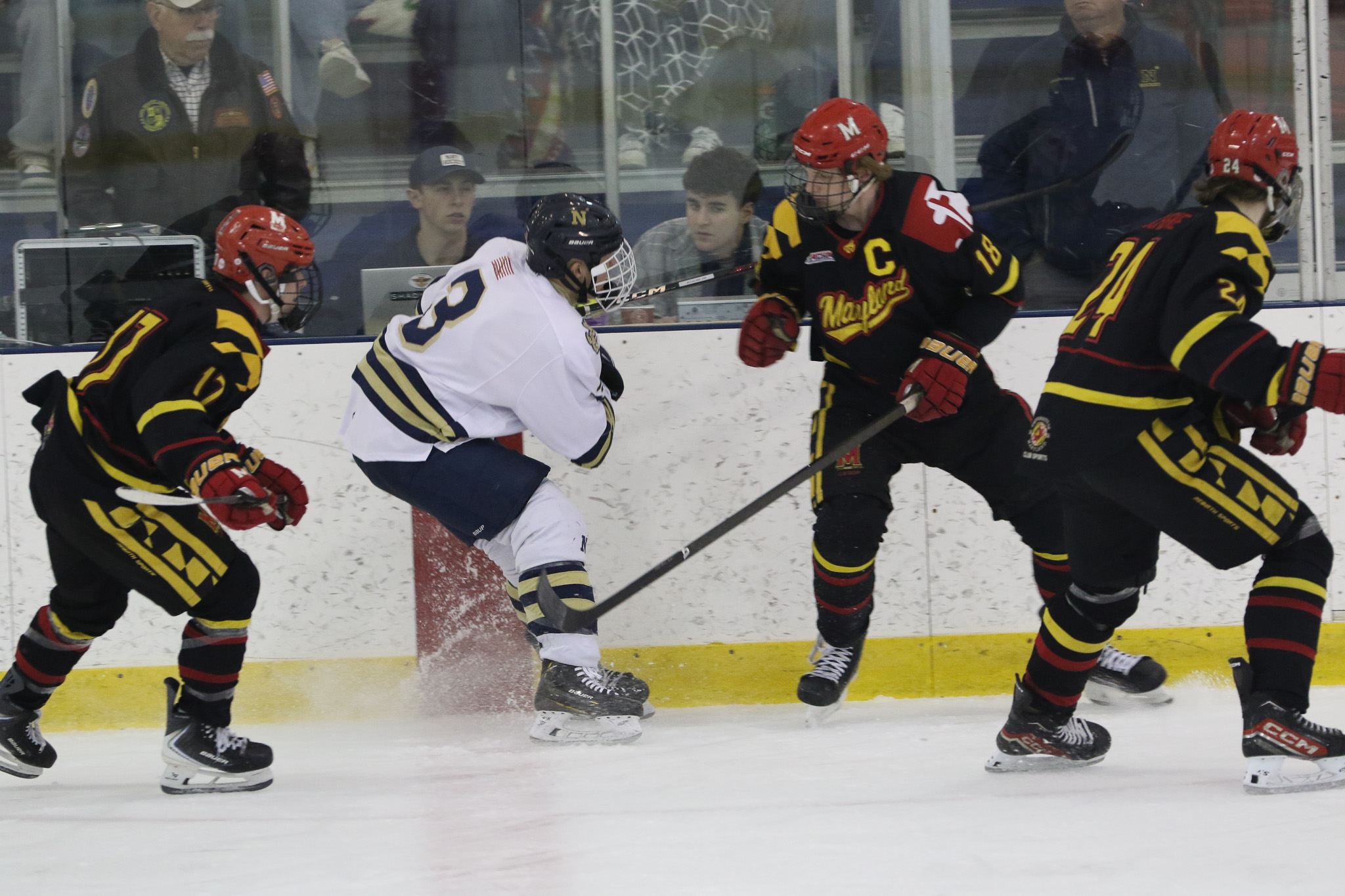
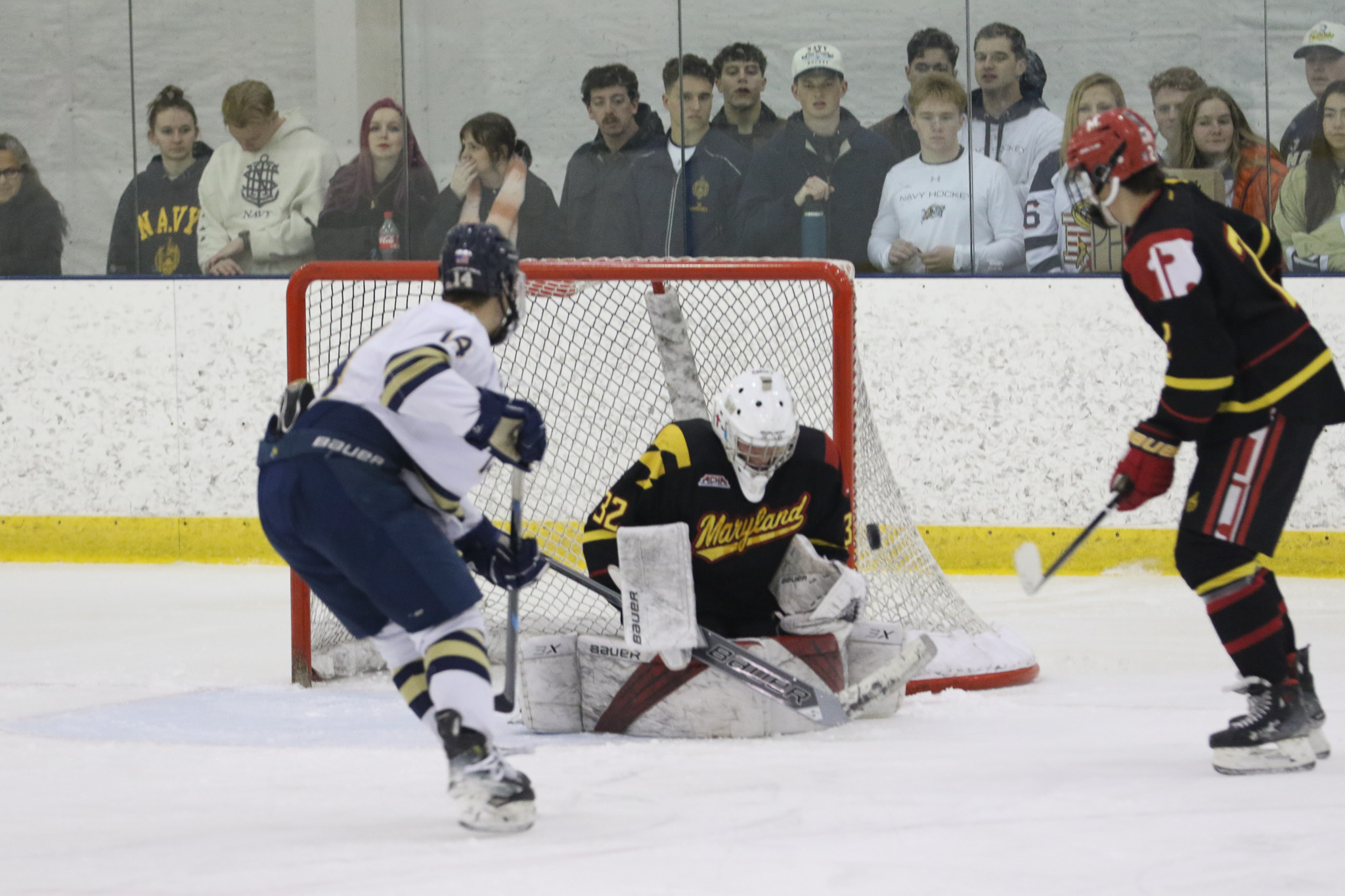
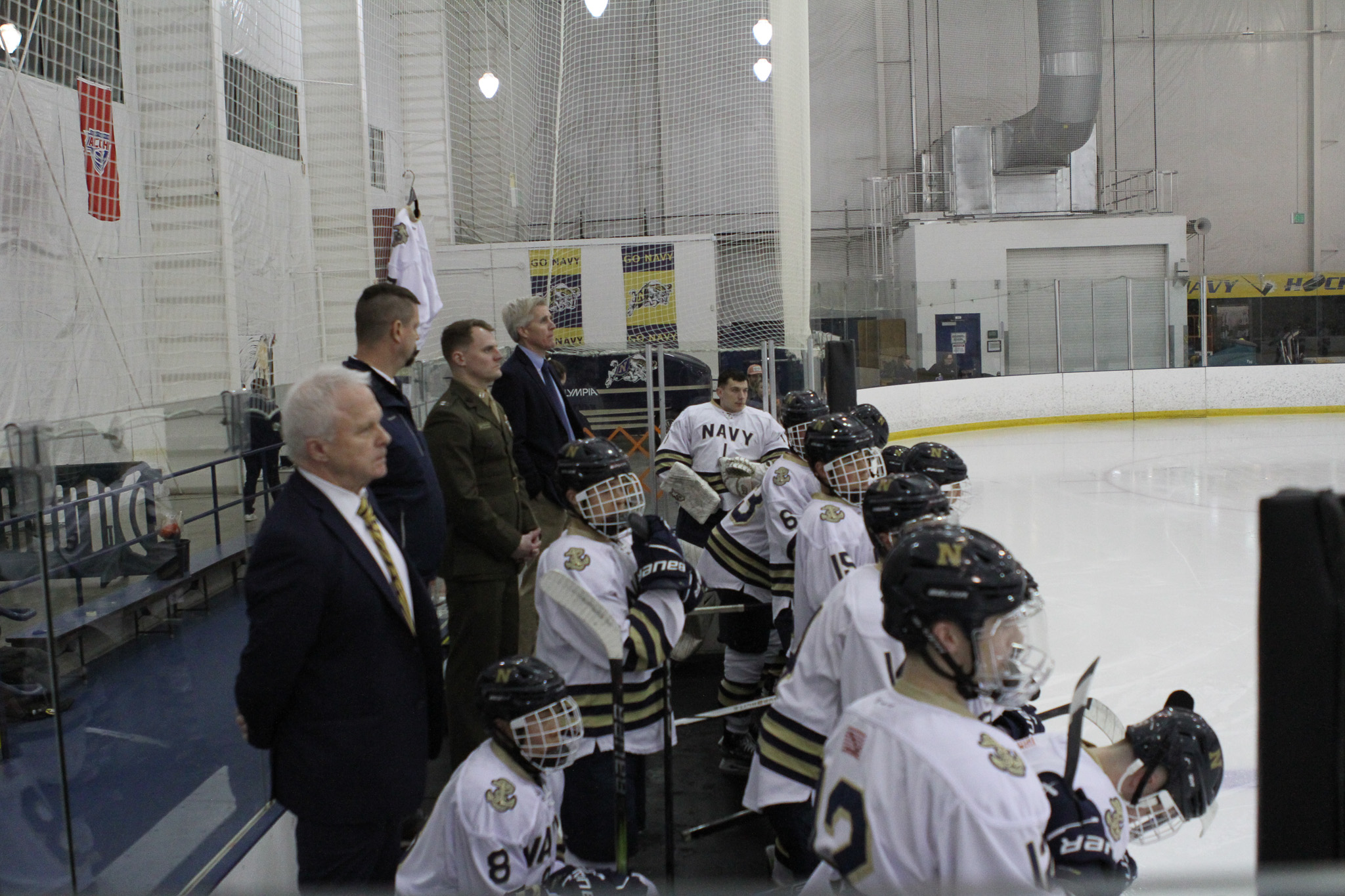
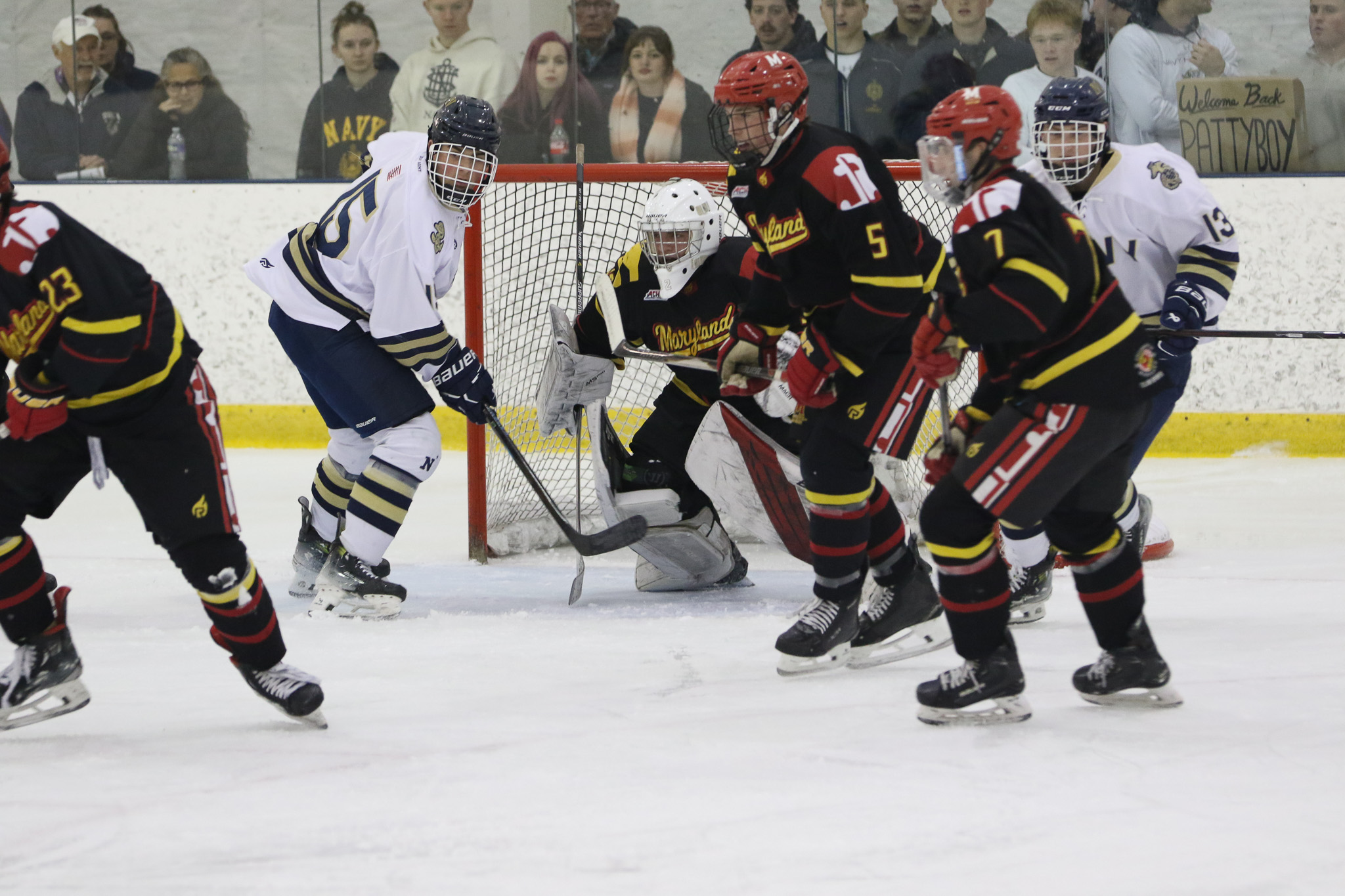
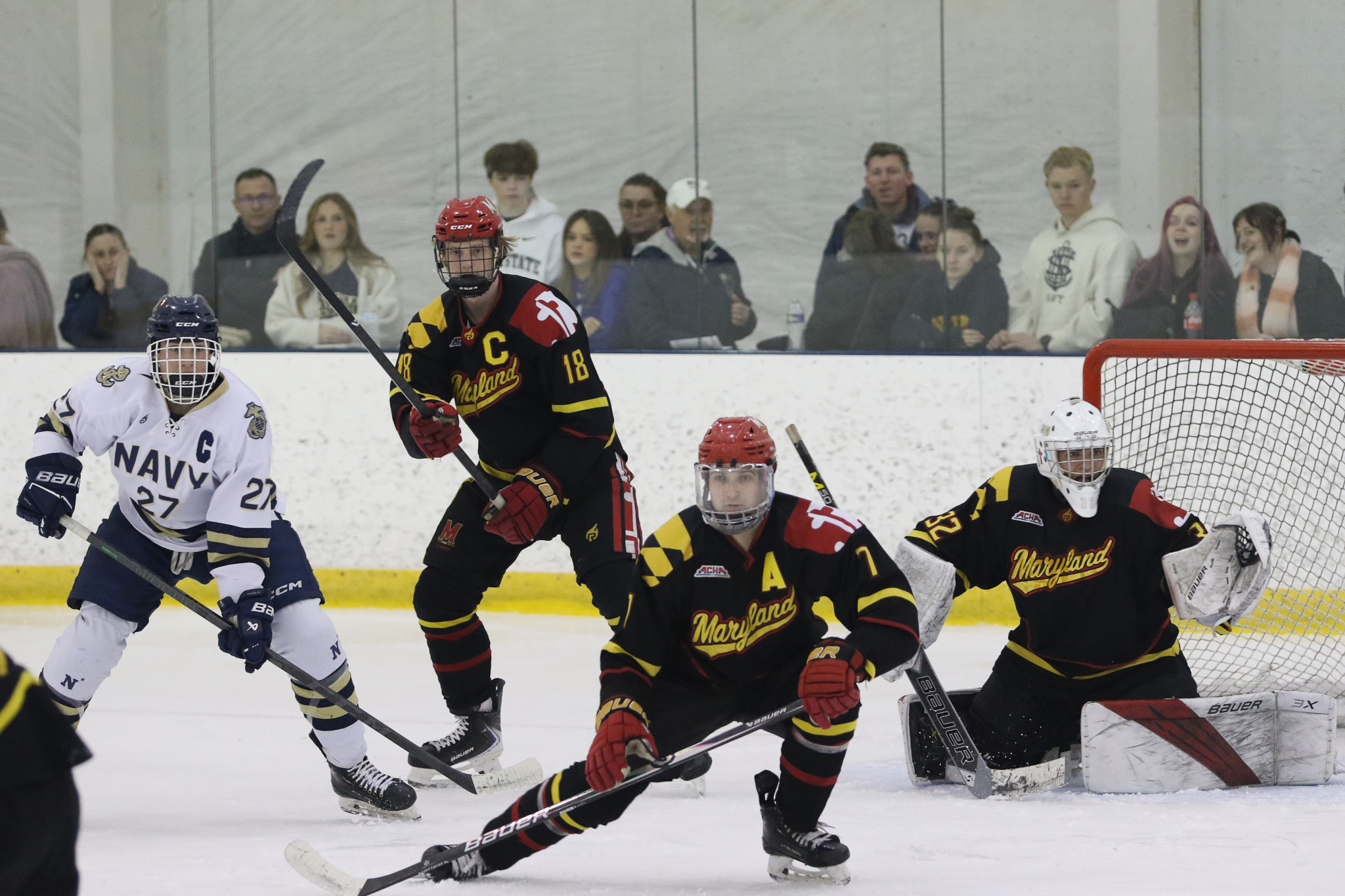
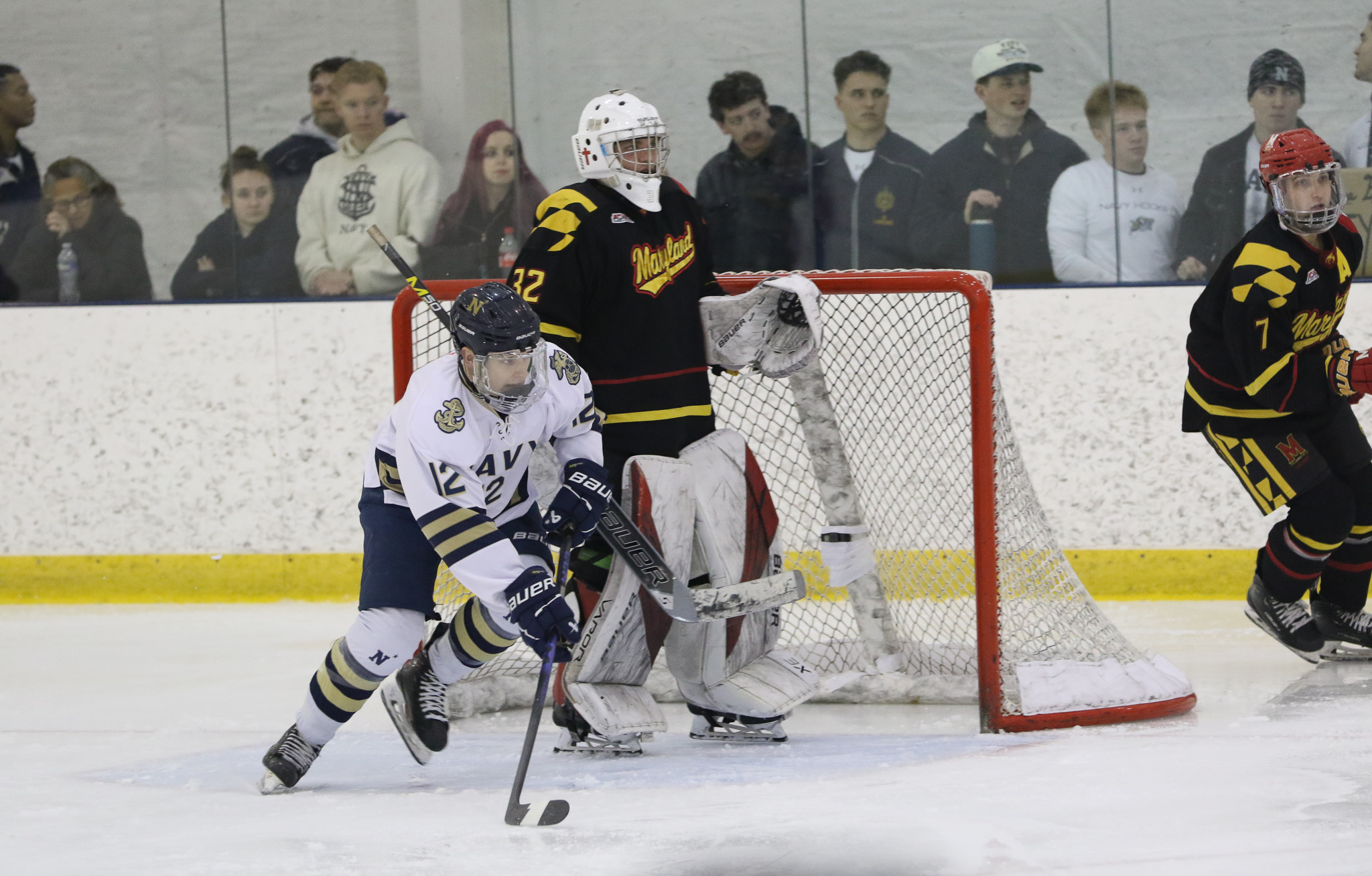
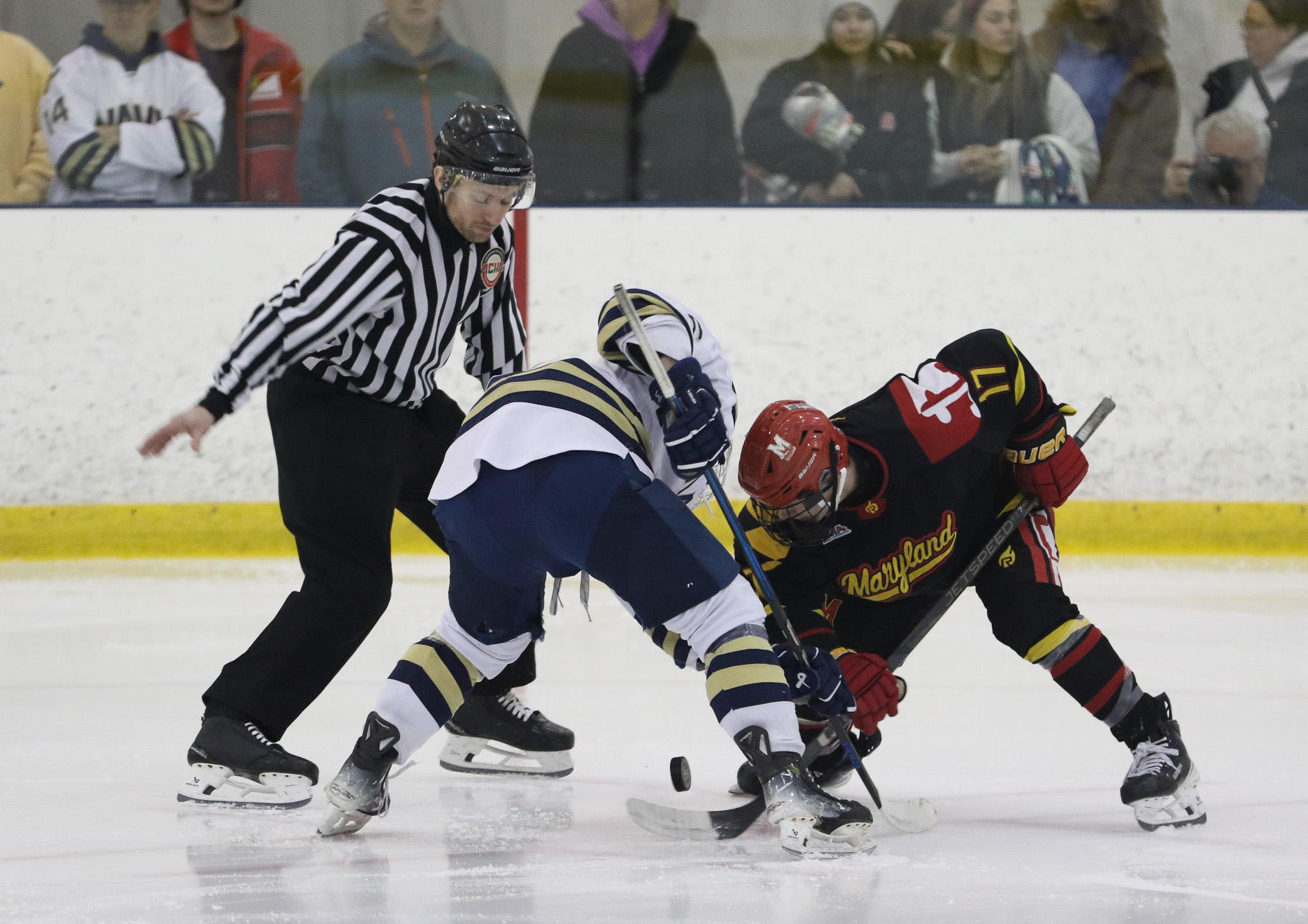
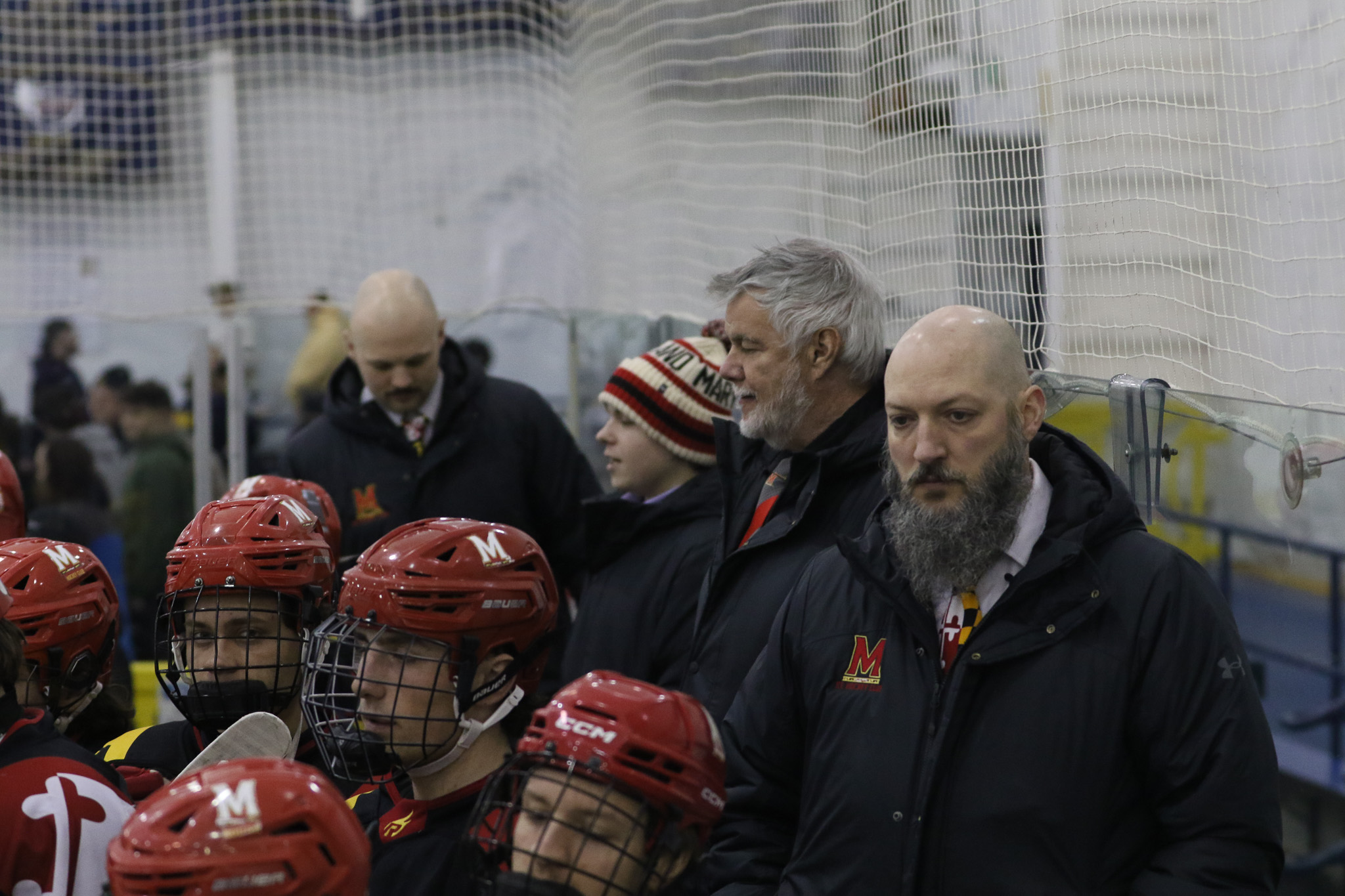
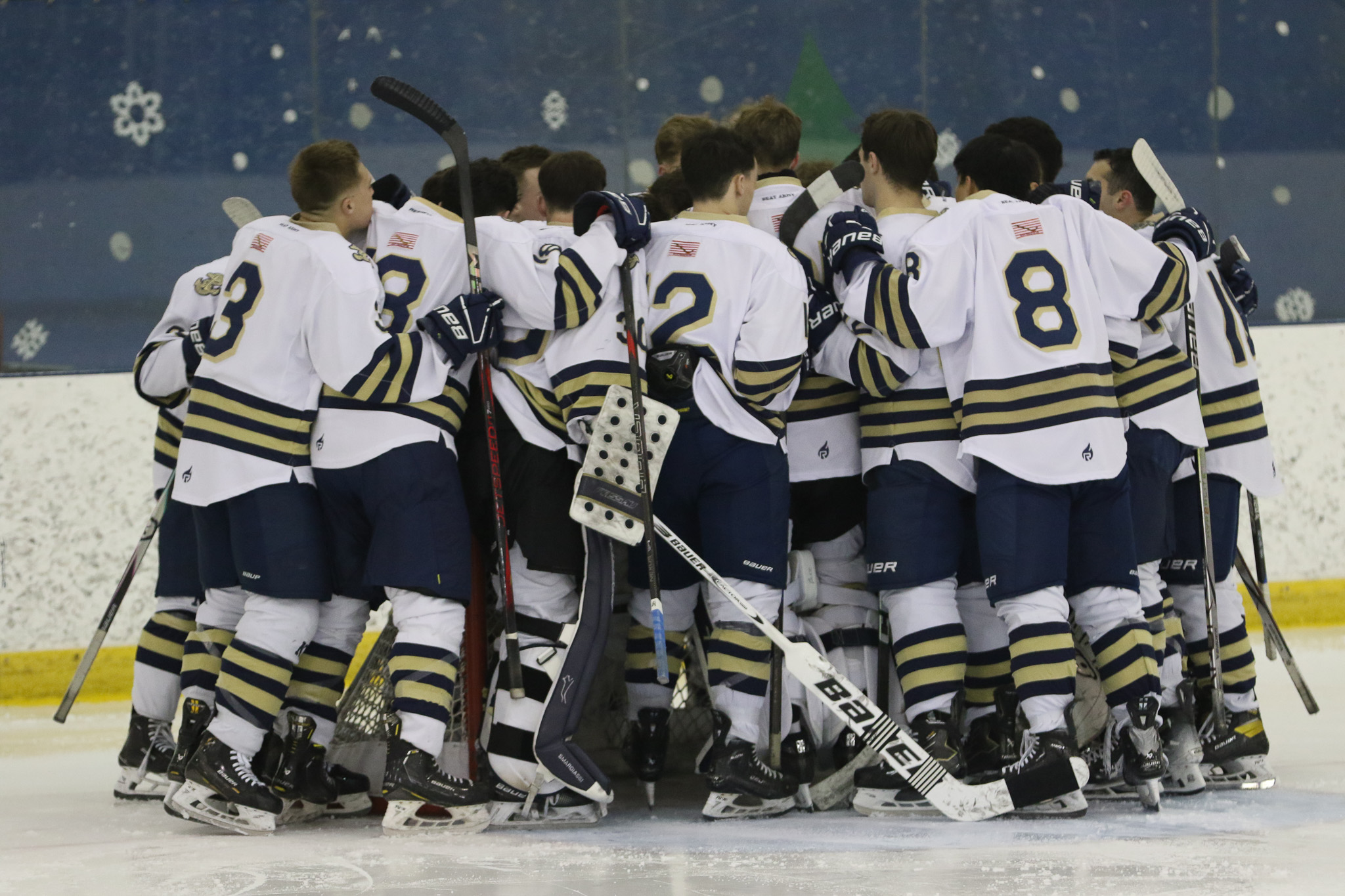
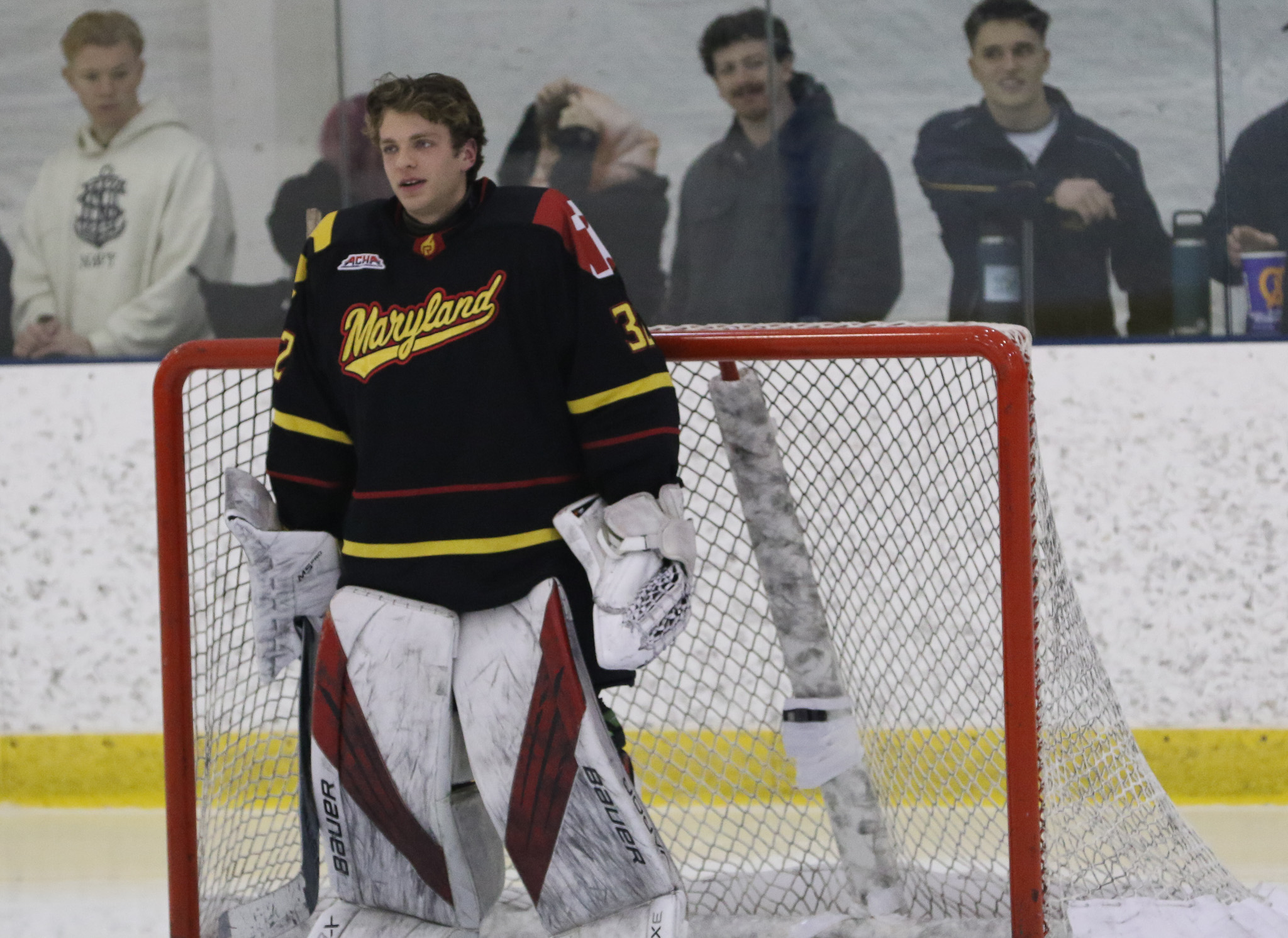
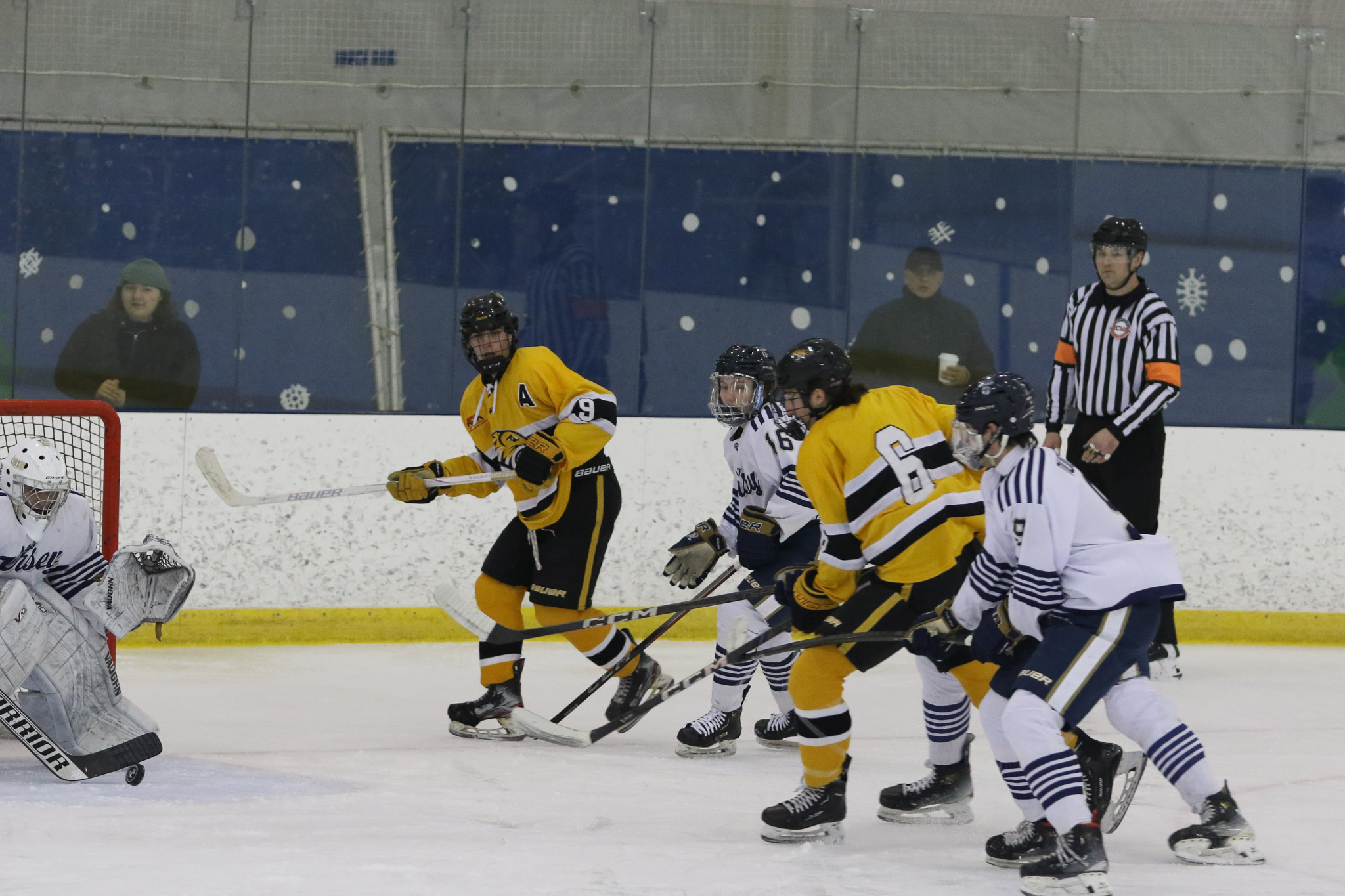
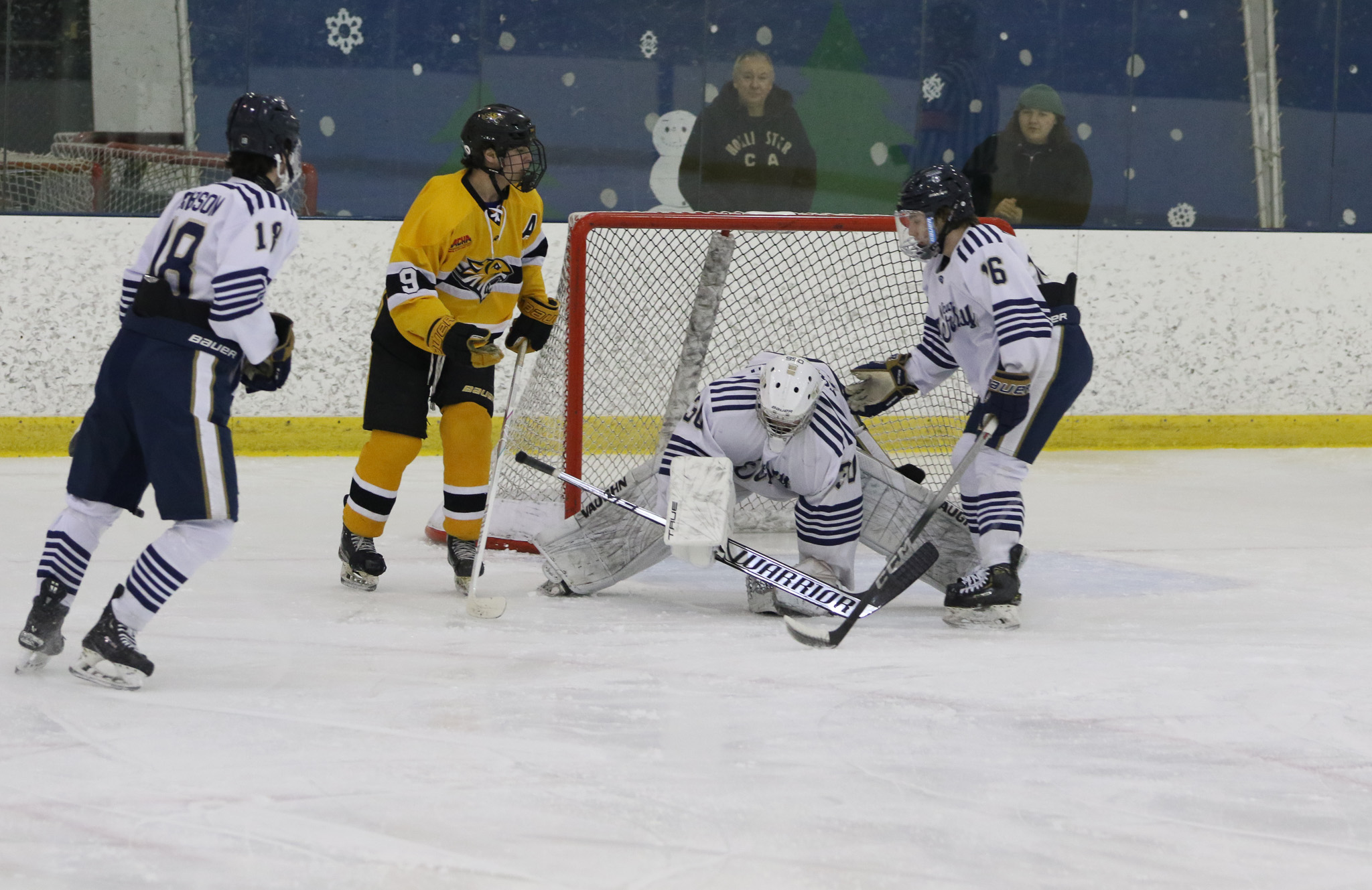
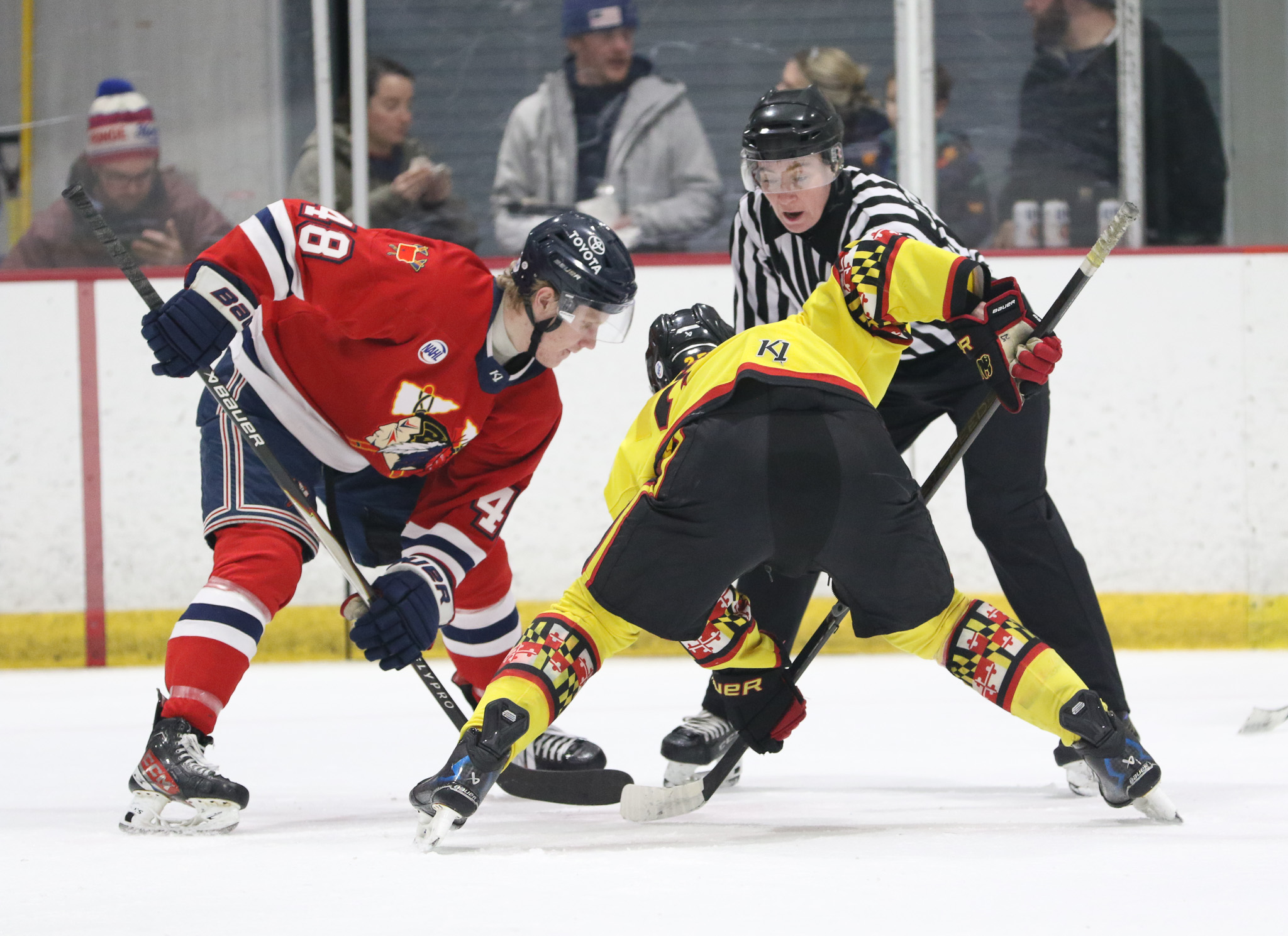
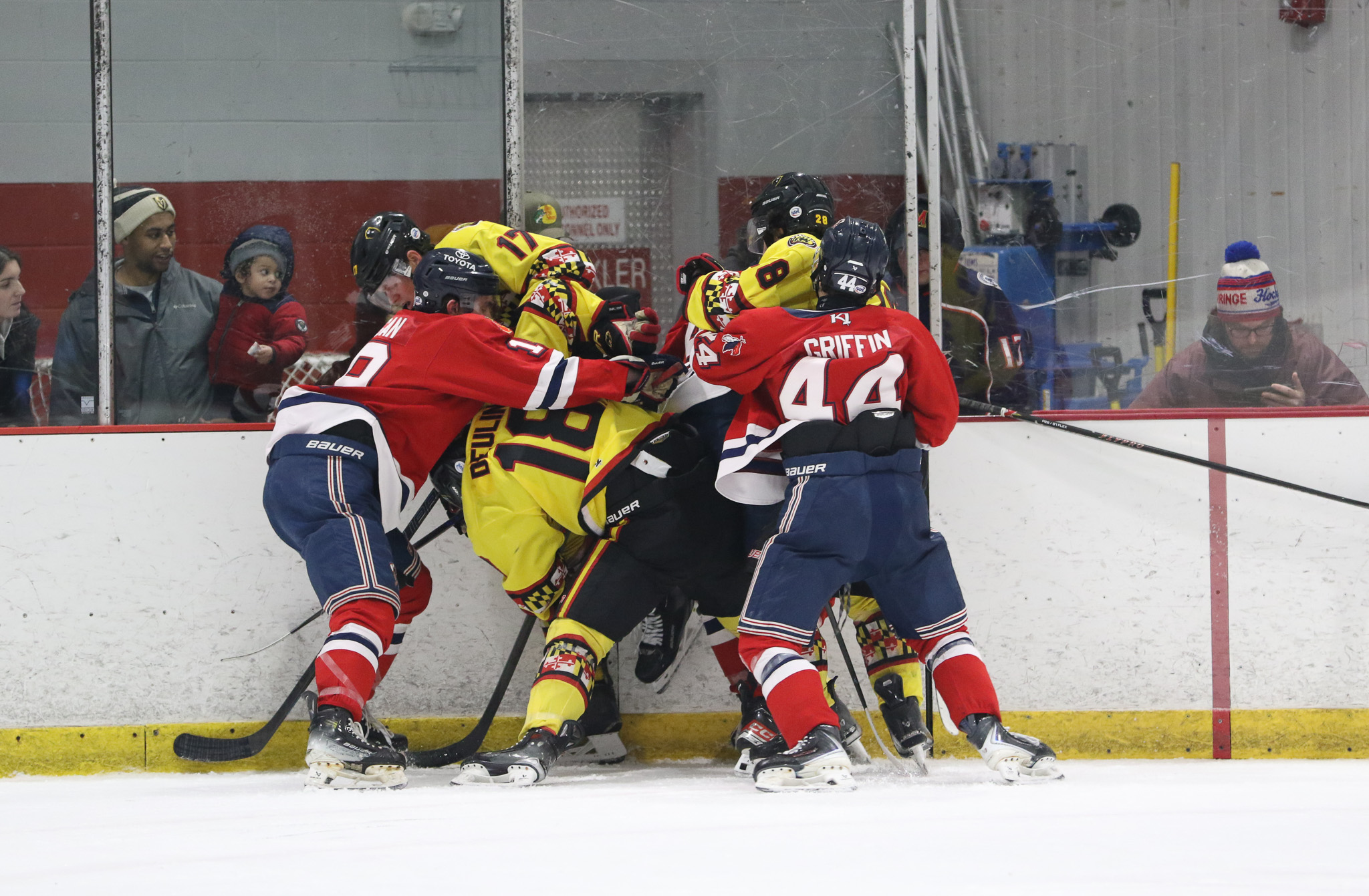
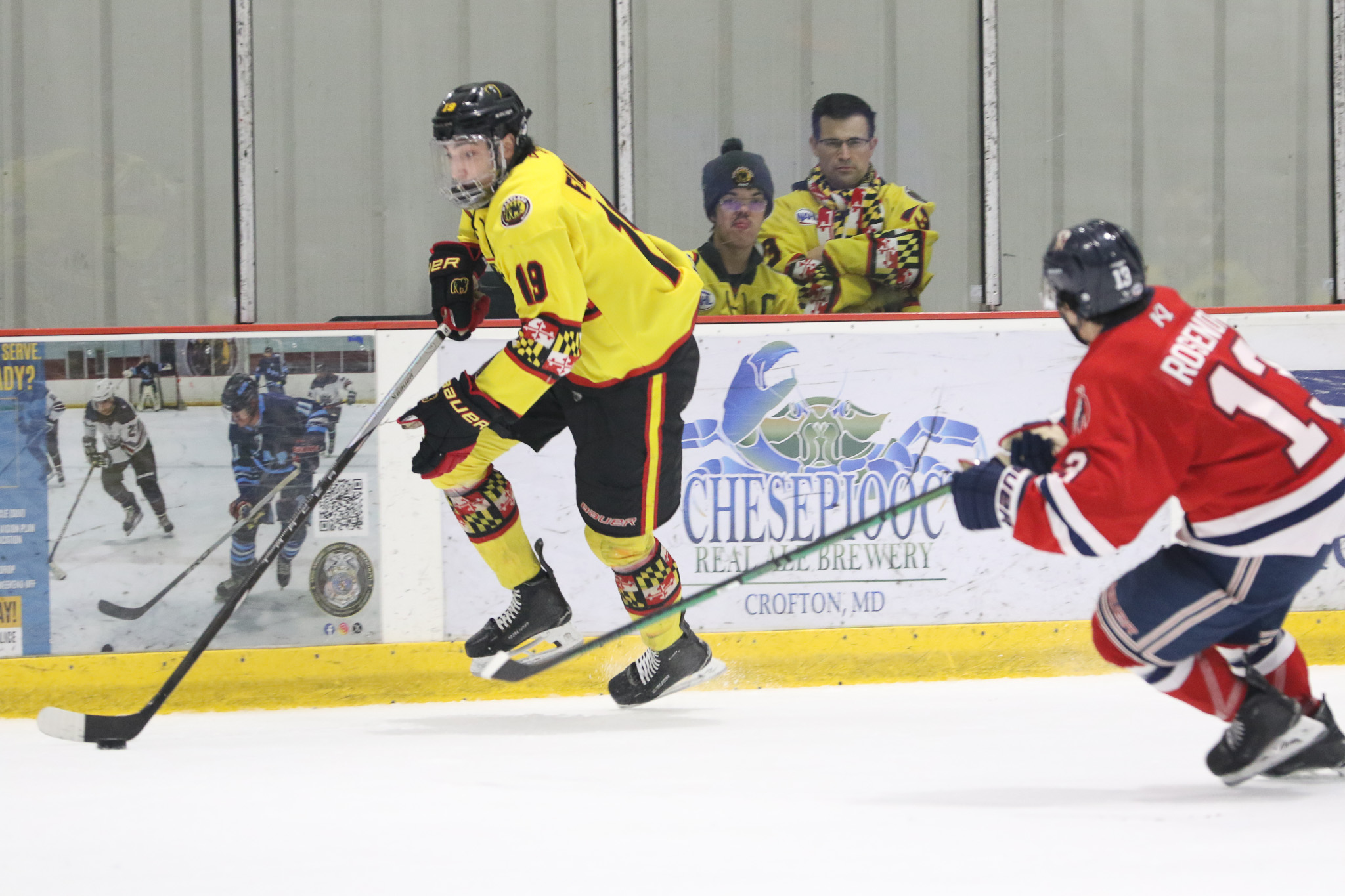
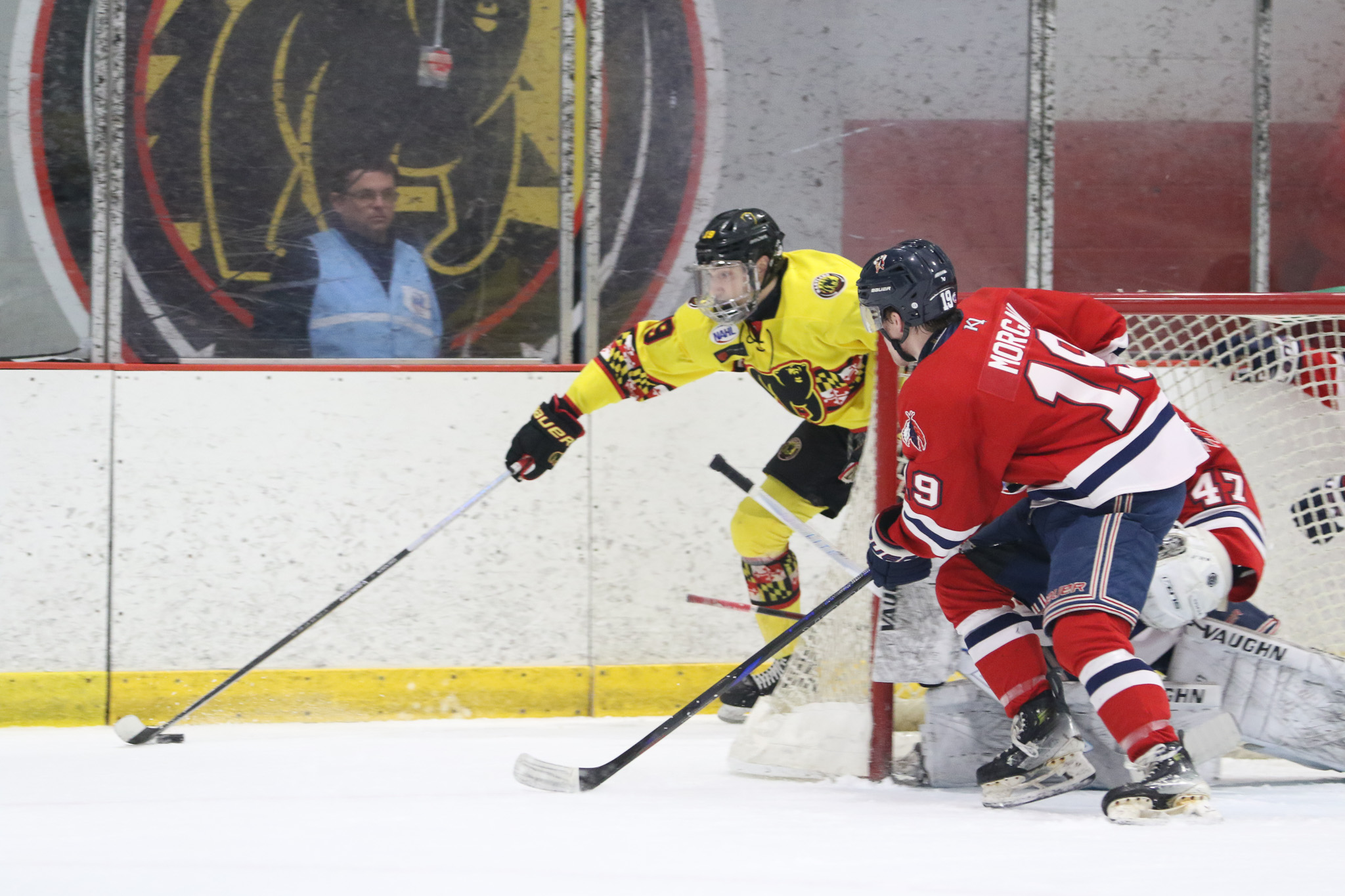
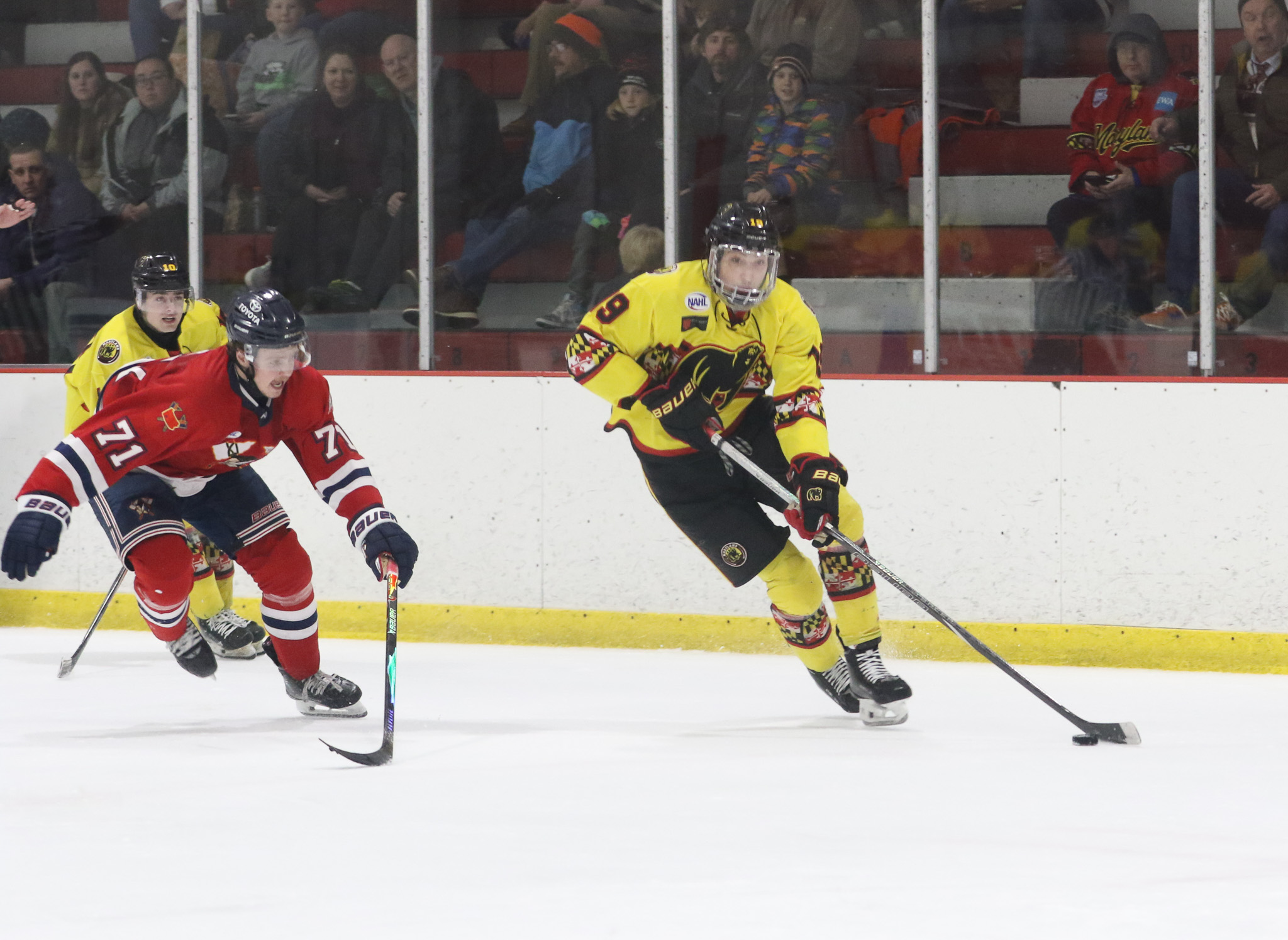
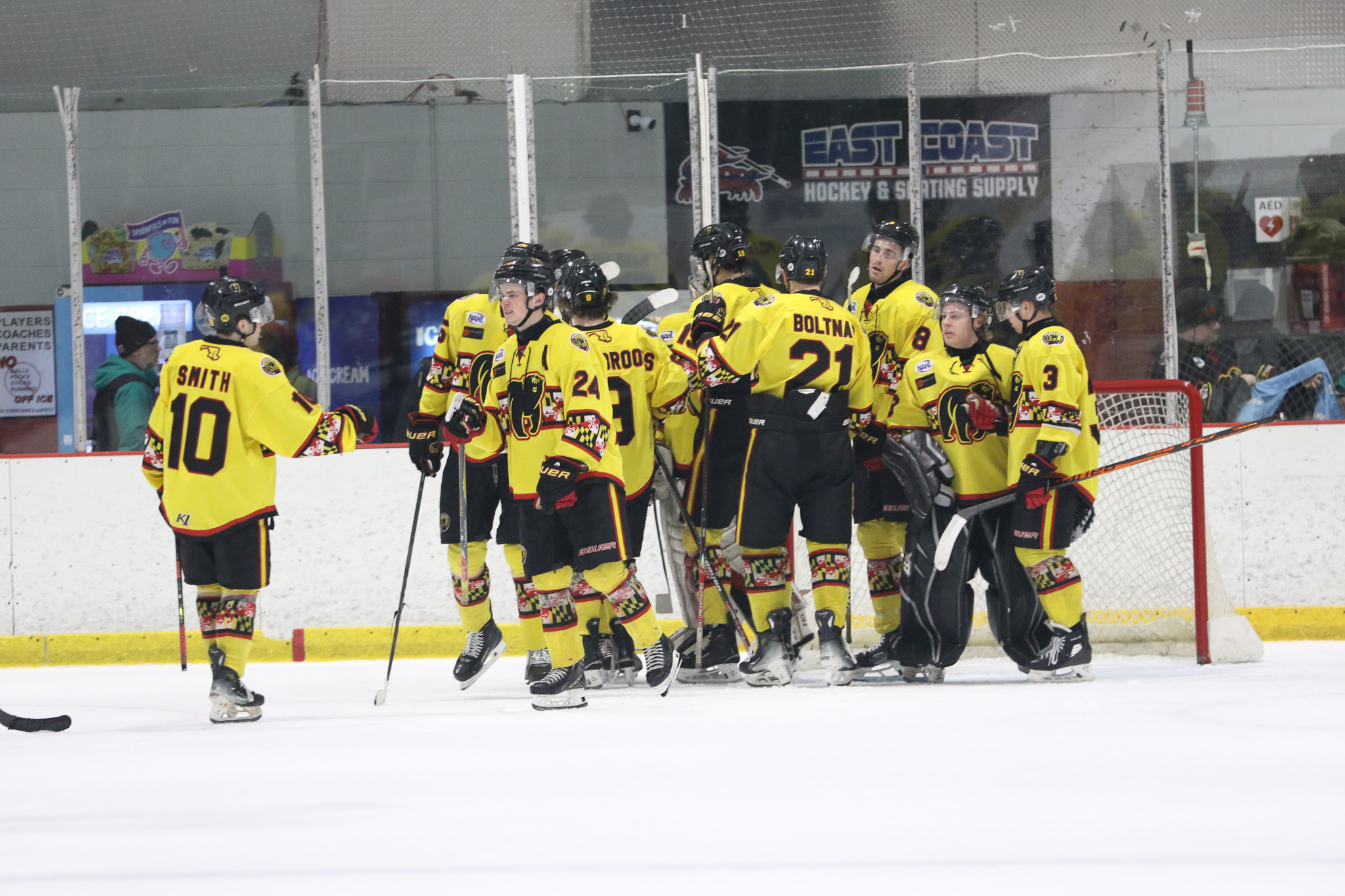
Annapolis, MD: On Friday, February 13, 2026, the University of Maryland Terrapins faced off against the Naval Academy Midshipmen in the second game of the annual Crab Pot Tournament, hosted by Navy. The Terps would cruise to a 6-1 victory, securing their spot in the Championship game.

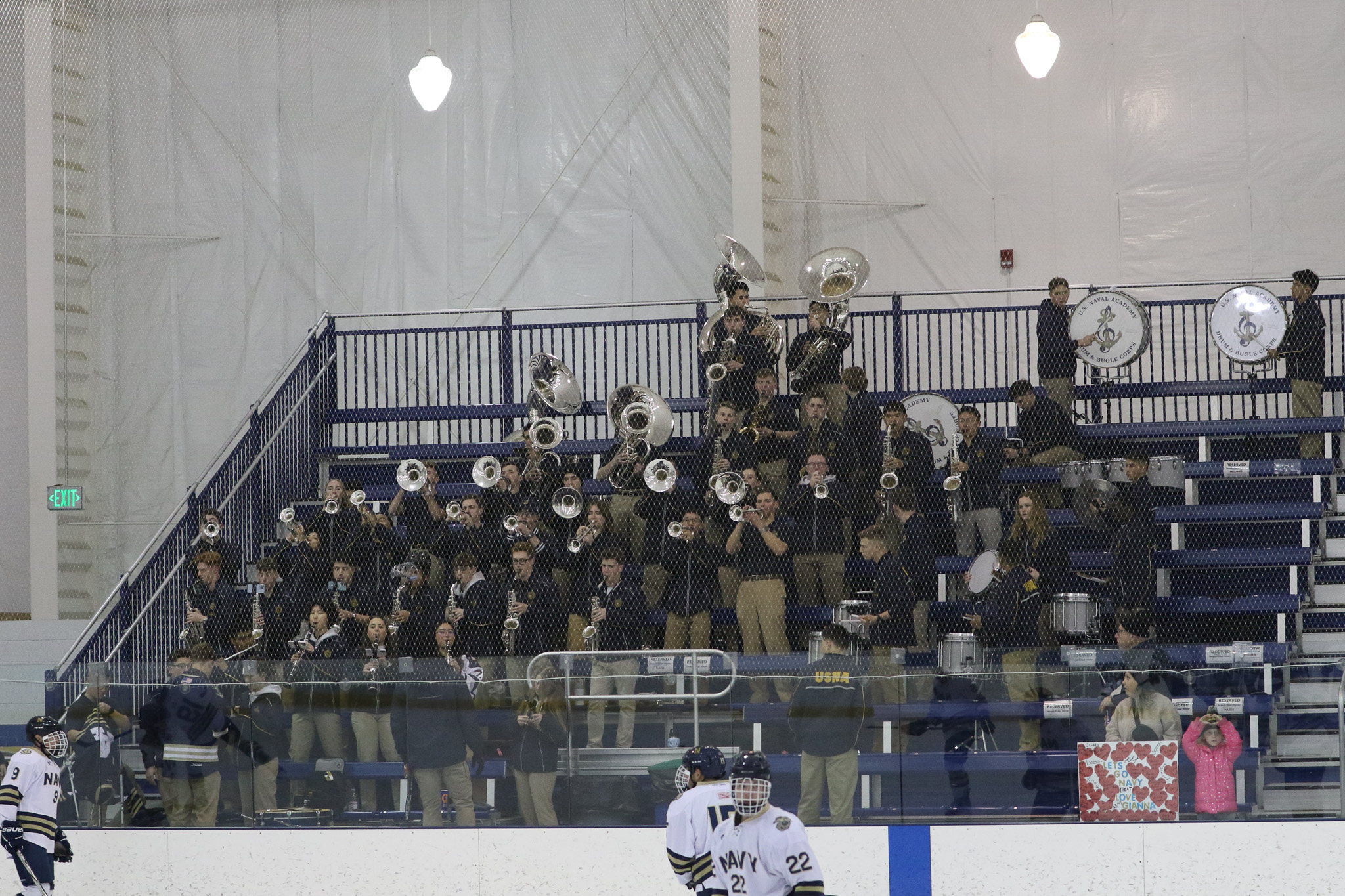
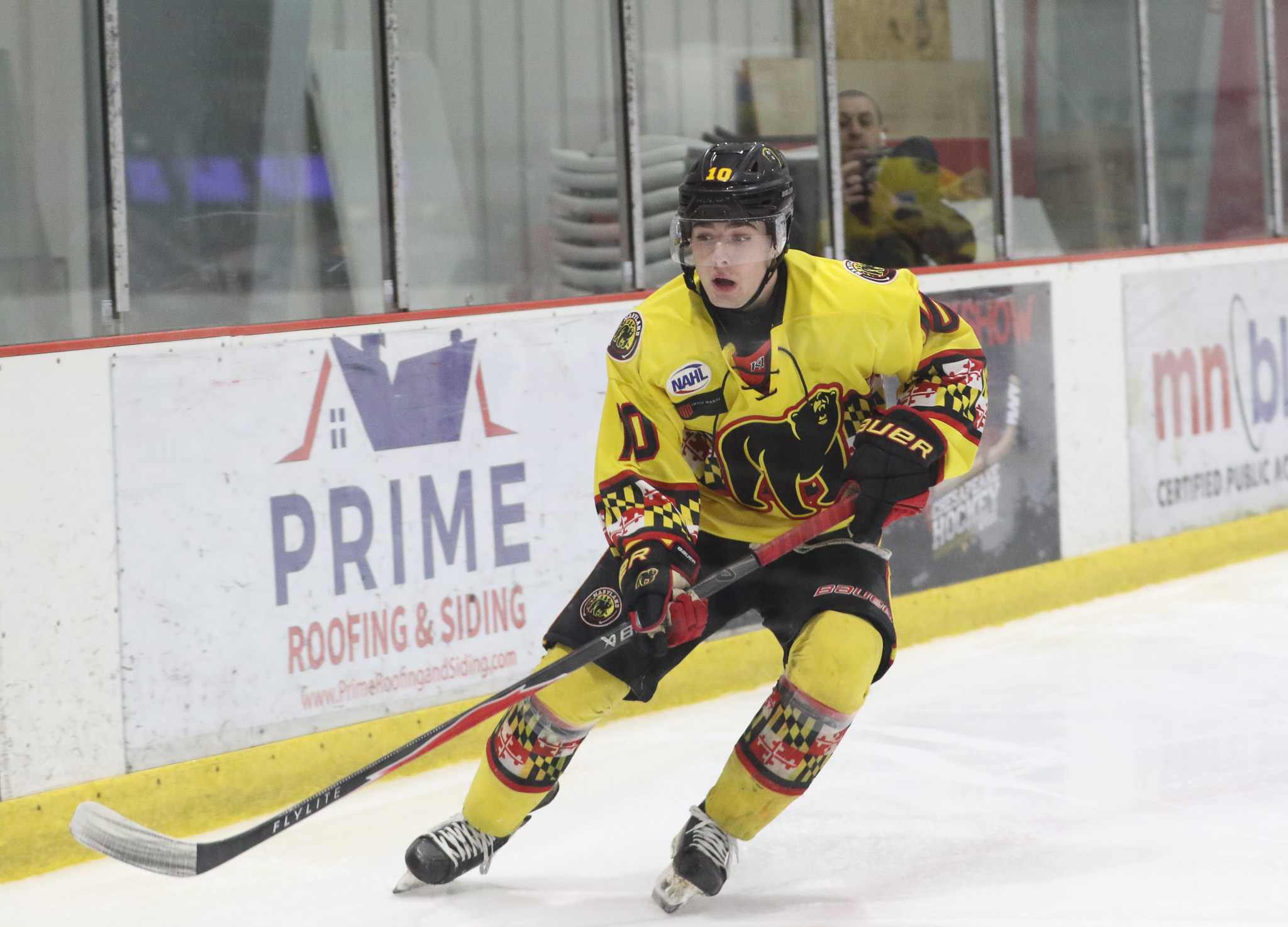
The Naval Academy pep band and packed house brought excitement and energy to the second game of the evening. Maryland got on the board first, at 15:52 in the opening period on a goal from Thomas Pilkington. Michael Shraibman provided the assist on the Pilkington goal. Just over two minutes later, at 17:34, James Botti would extend the lead with an assist from Travis Duchene. Rounding out the trio of goals from Maryland would be Colin Doherty at 19:26 with the helper coming from James Romps.

Maryland’s Shraibman would get his second of the night early in the second period, just 52 seconds into the frame. Patrick Harman had the assist on the goal. The Terrapins would extend their lead to 5-0 at 14:09, when James Botti netted his second goal, which came on the power play. Assists on the goal were from Duchene and Harnan.

The third period saw Maryland continue the assault on the Navy net at 2:50 of the third when Jack Rakauskas scored with helpers from the duo of Duchene and Harnan. Sean Milanette would not allow Navy to be shut out, when he scored at 6:54, with assists coming from Jason Fisher and Ray Sun.

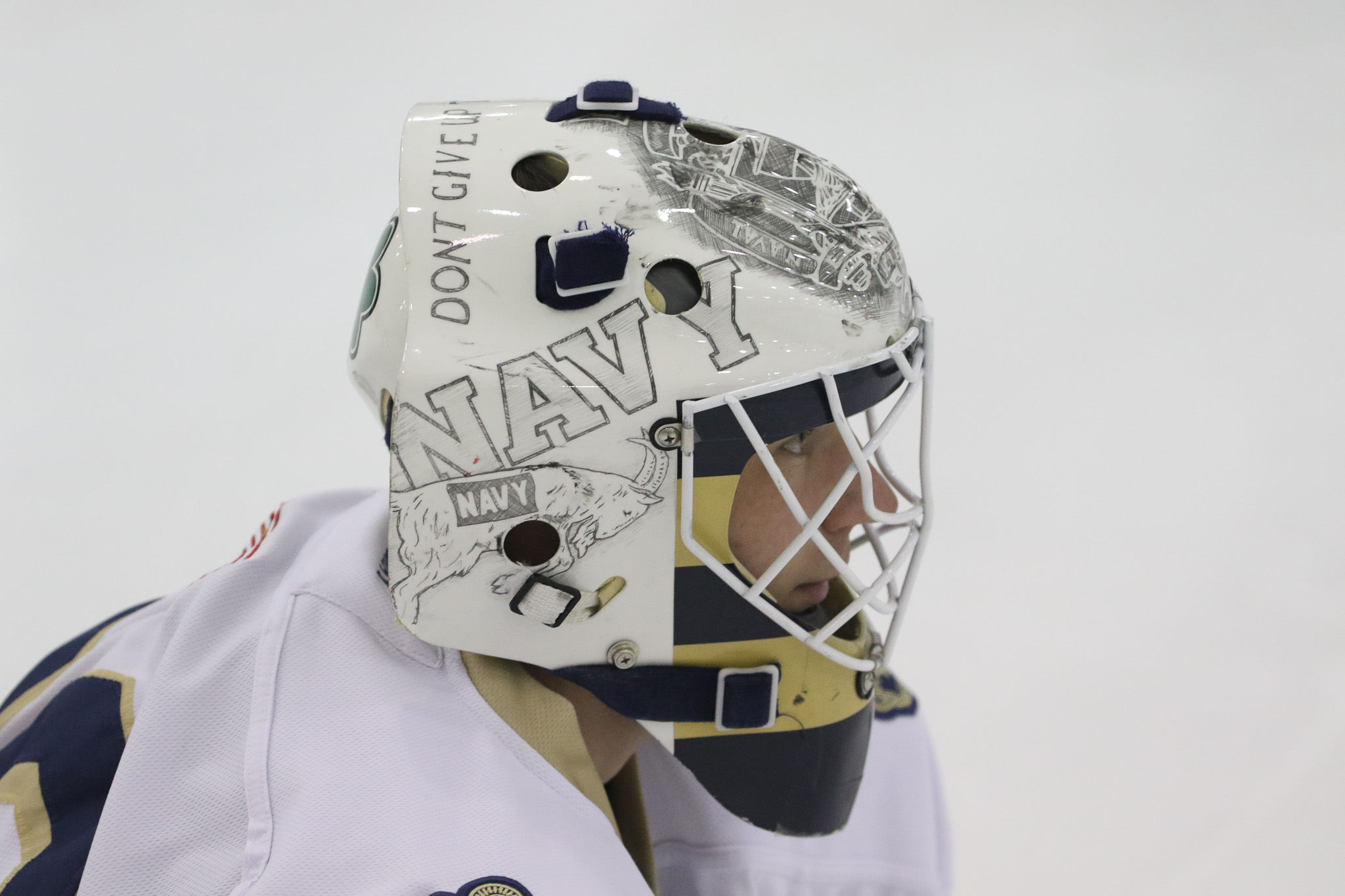
Jack Faricy played 60 minutes in net for Maryland making 39 saves on 40 shots. Gavin Biehl and Nate Schmidt split time in net for Navy, with Biehl making 15 saves on 21 shots while playing 43 minutes. Schmidt would play the final 17 minutes making seven saves on seven shots.

Navy would go on to shut out Towson in the Consolation game, while Maryland would fall 4-3 to TCNJ in the Championship game.


TCNJ Holds off Towson

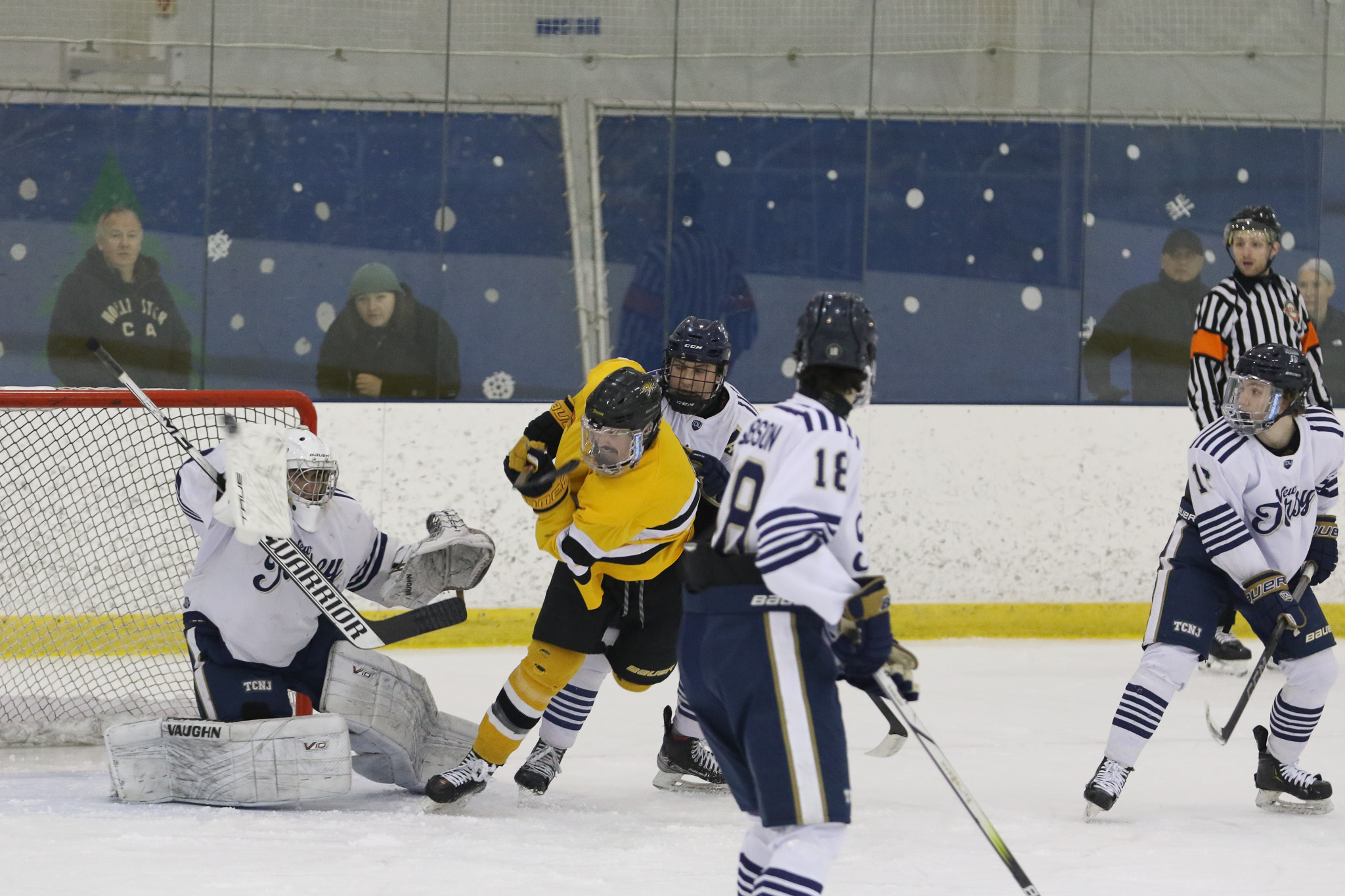
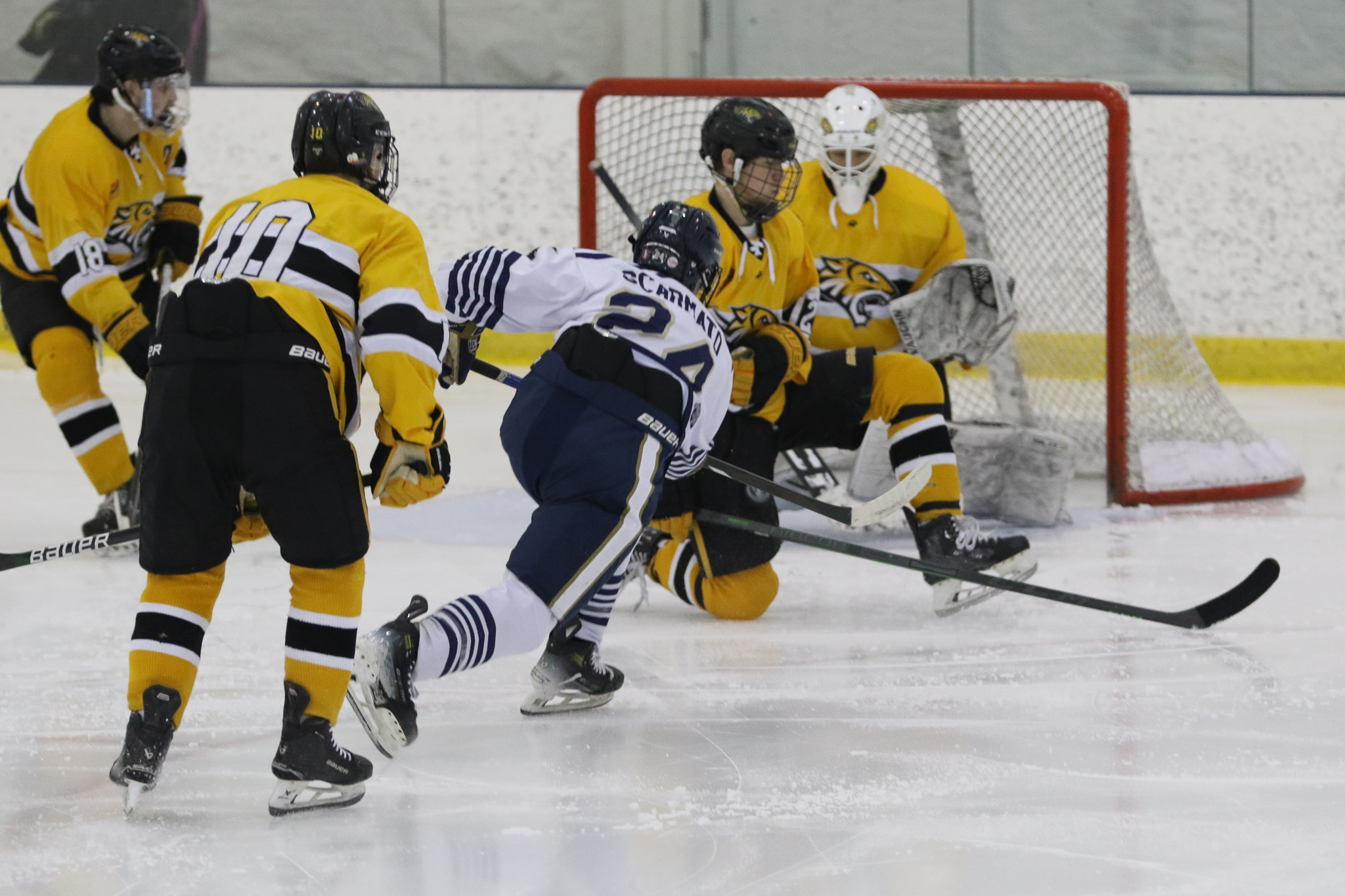
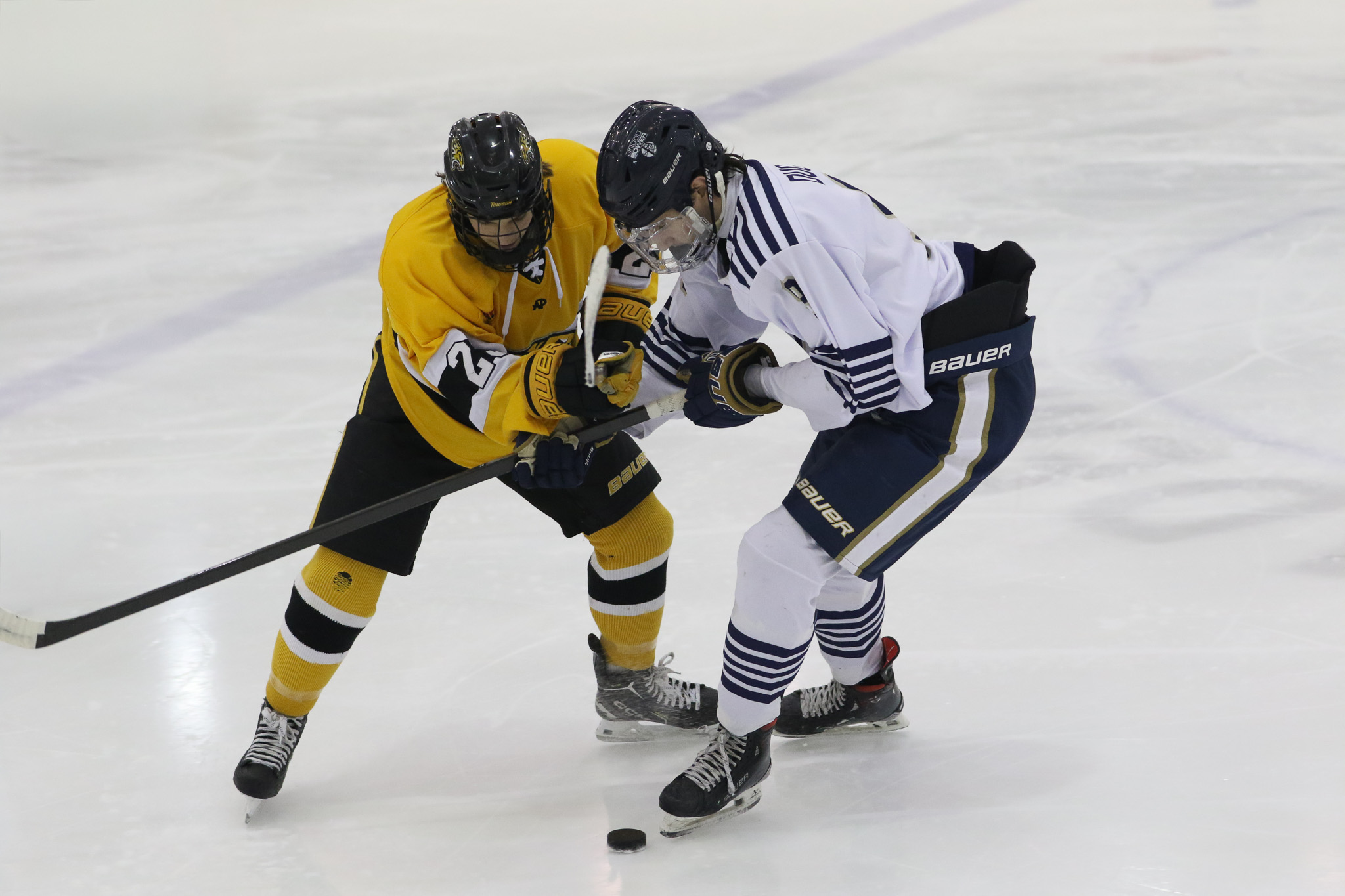
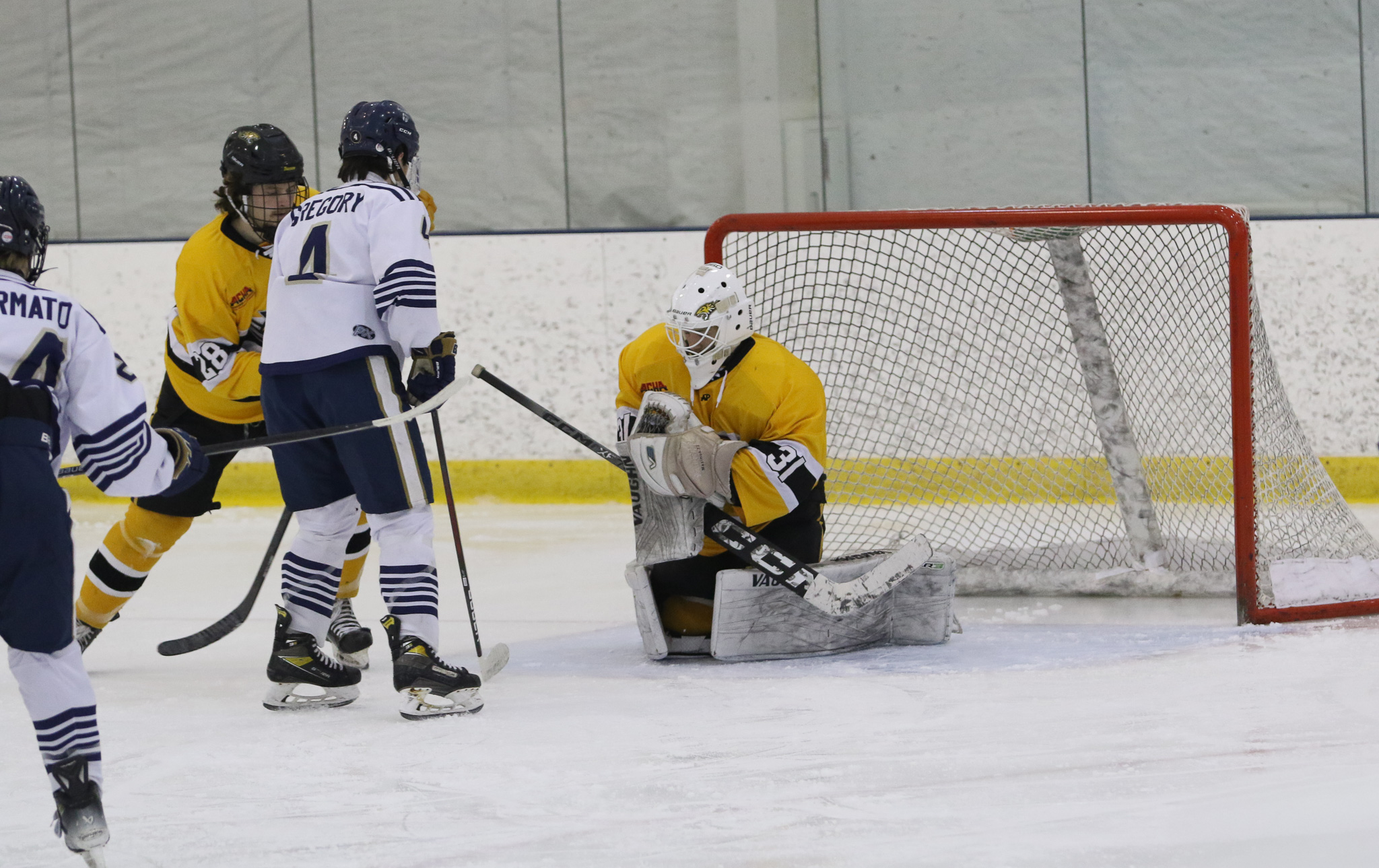
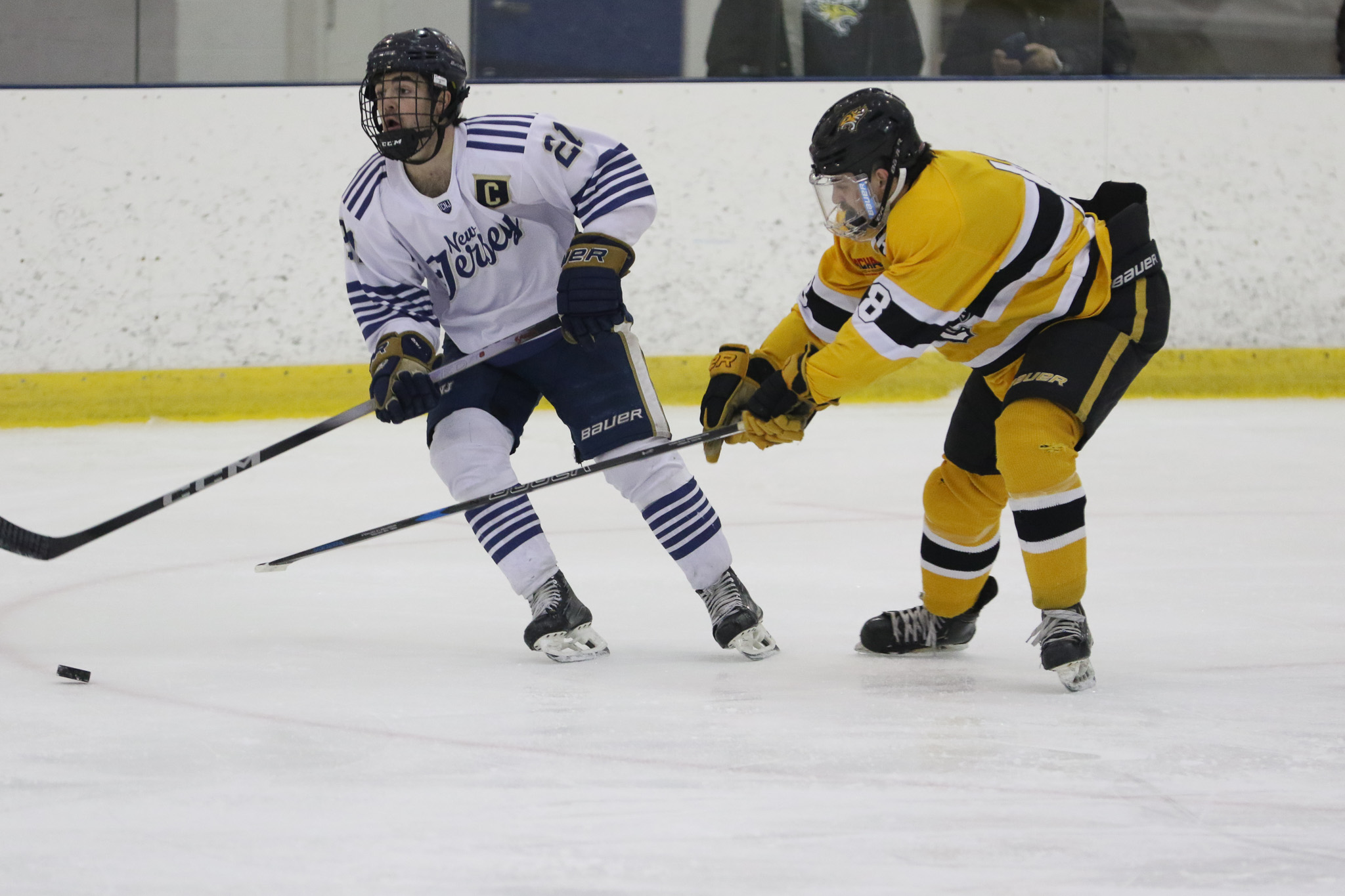
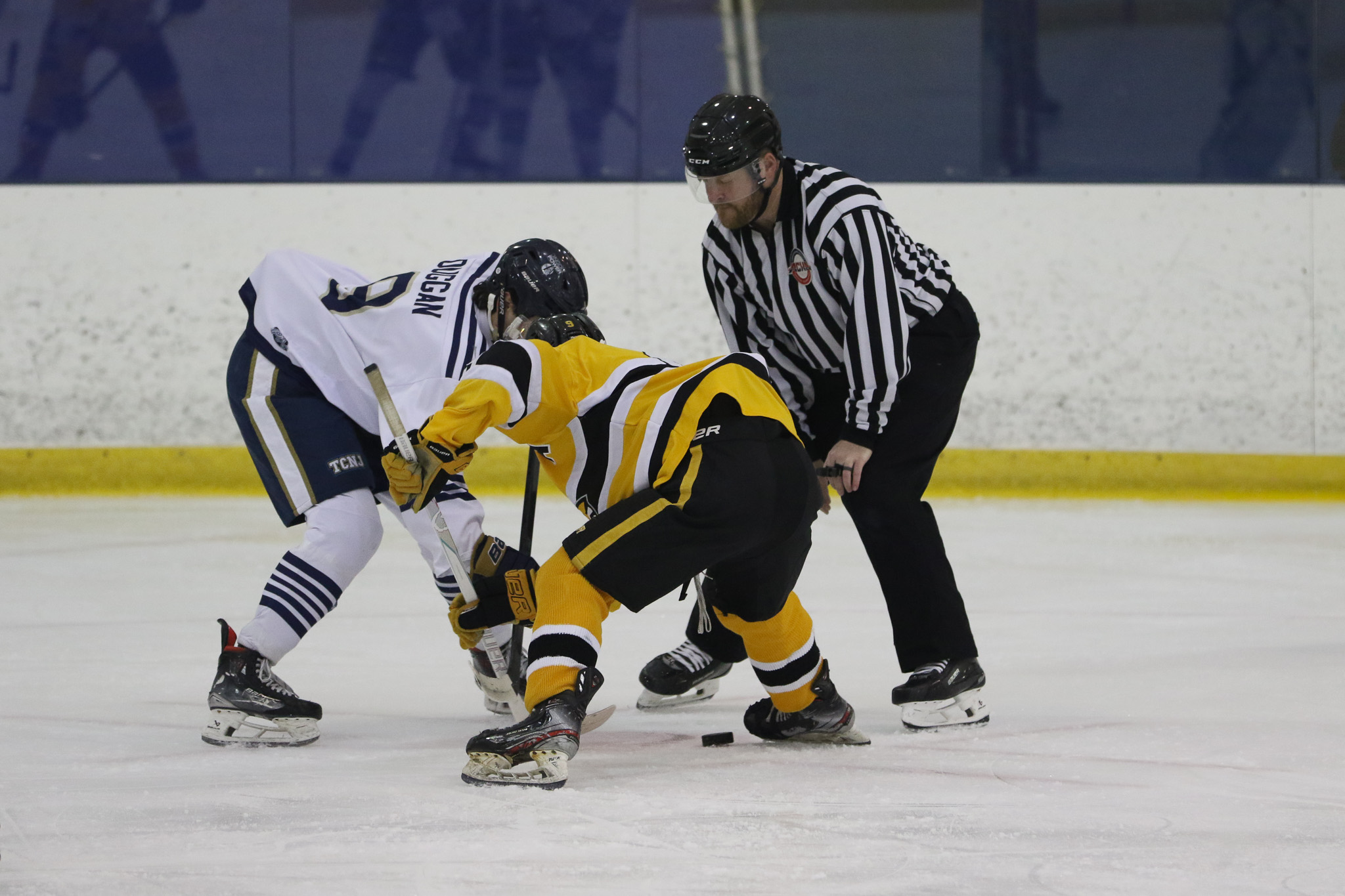
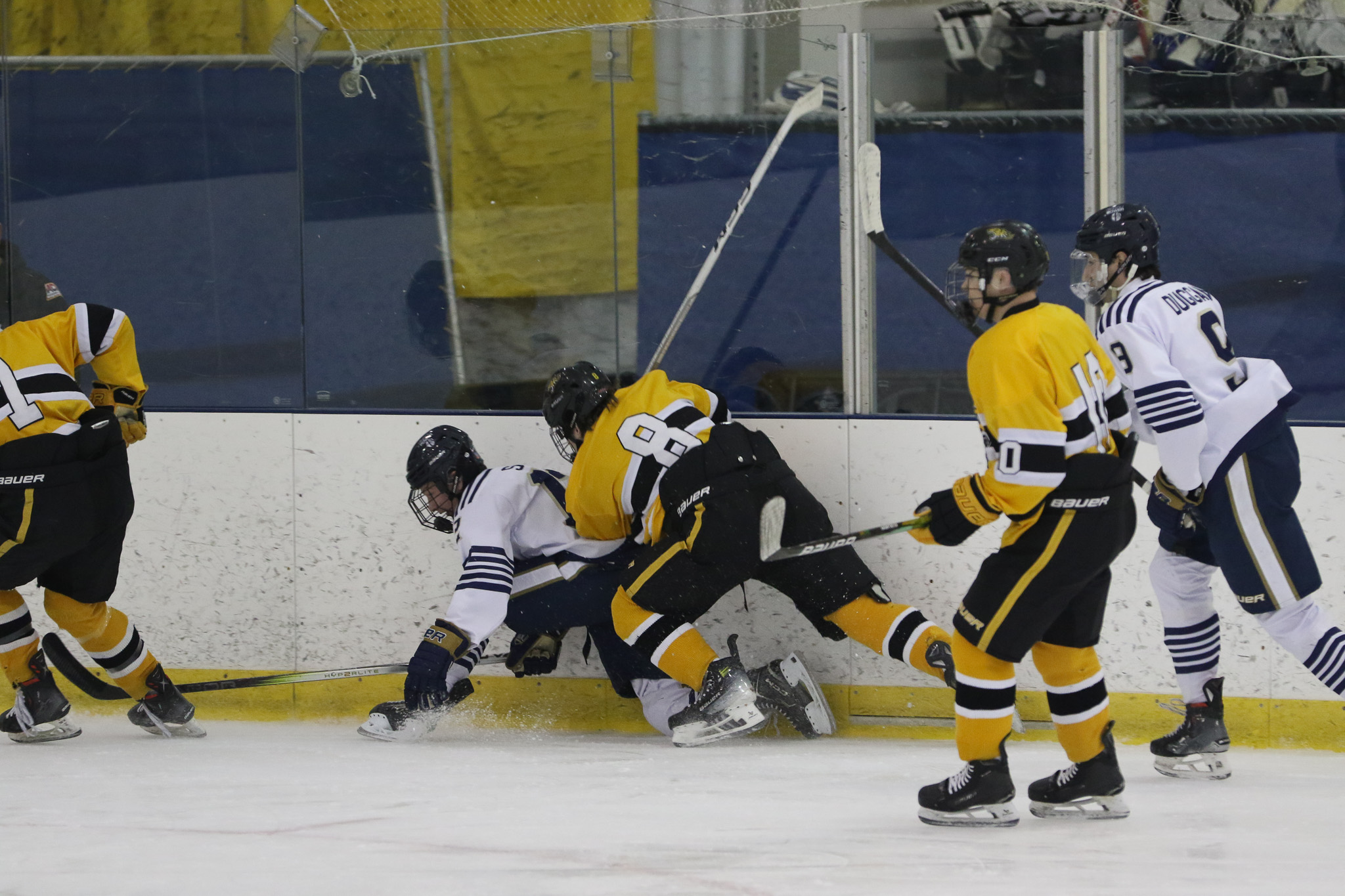
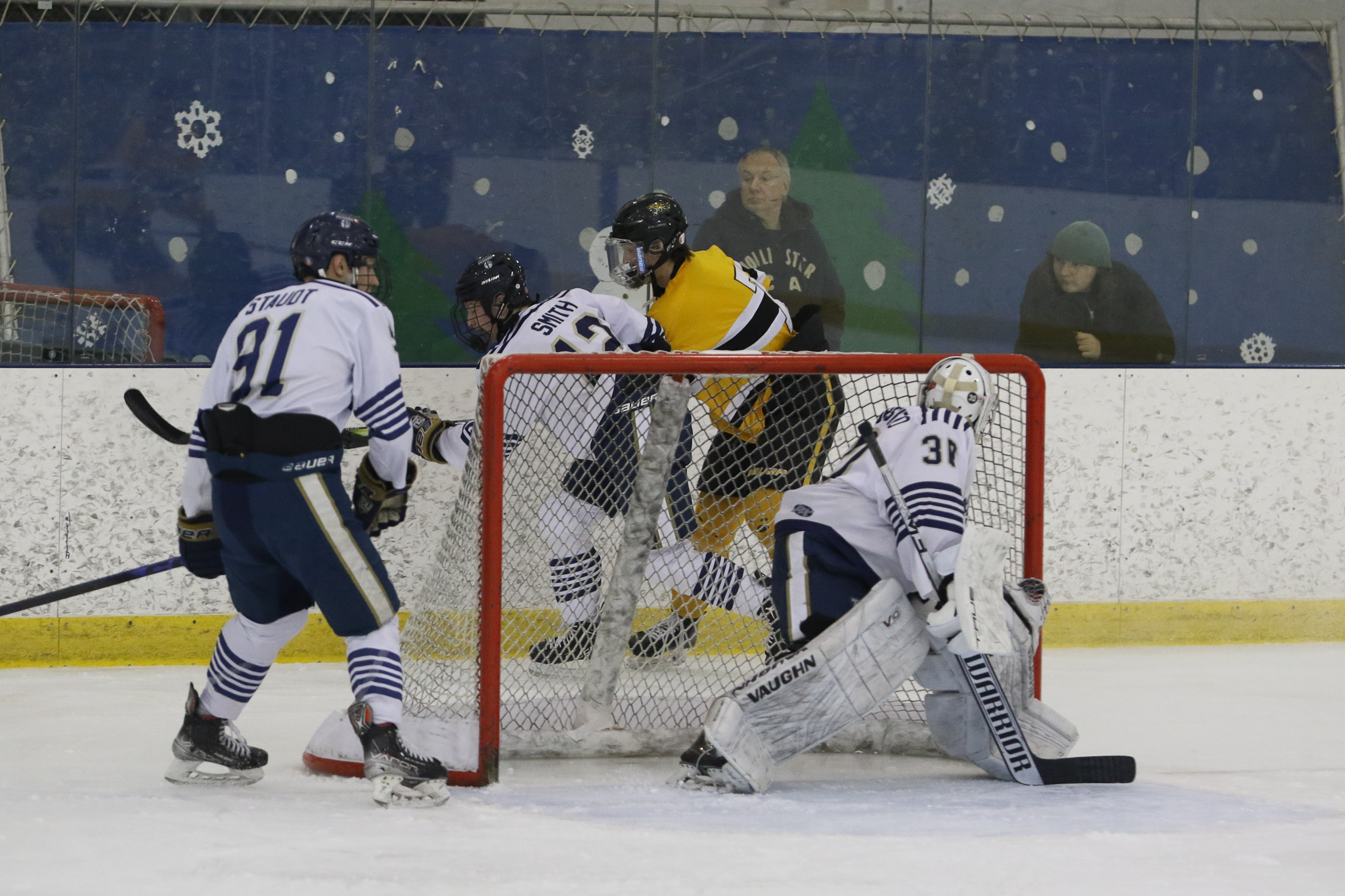
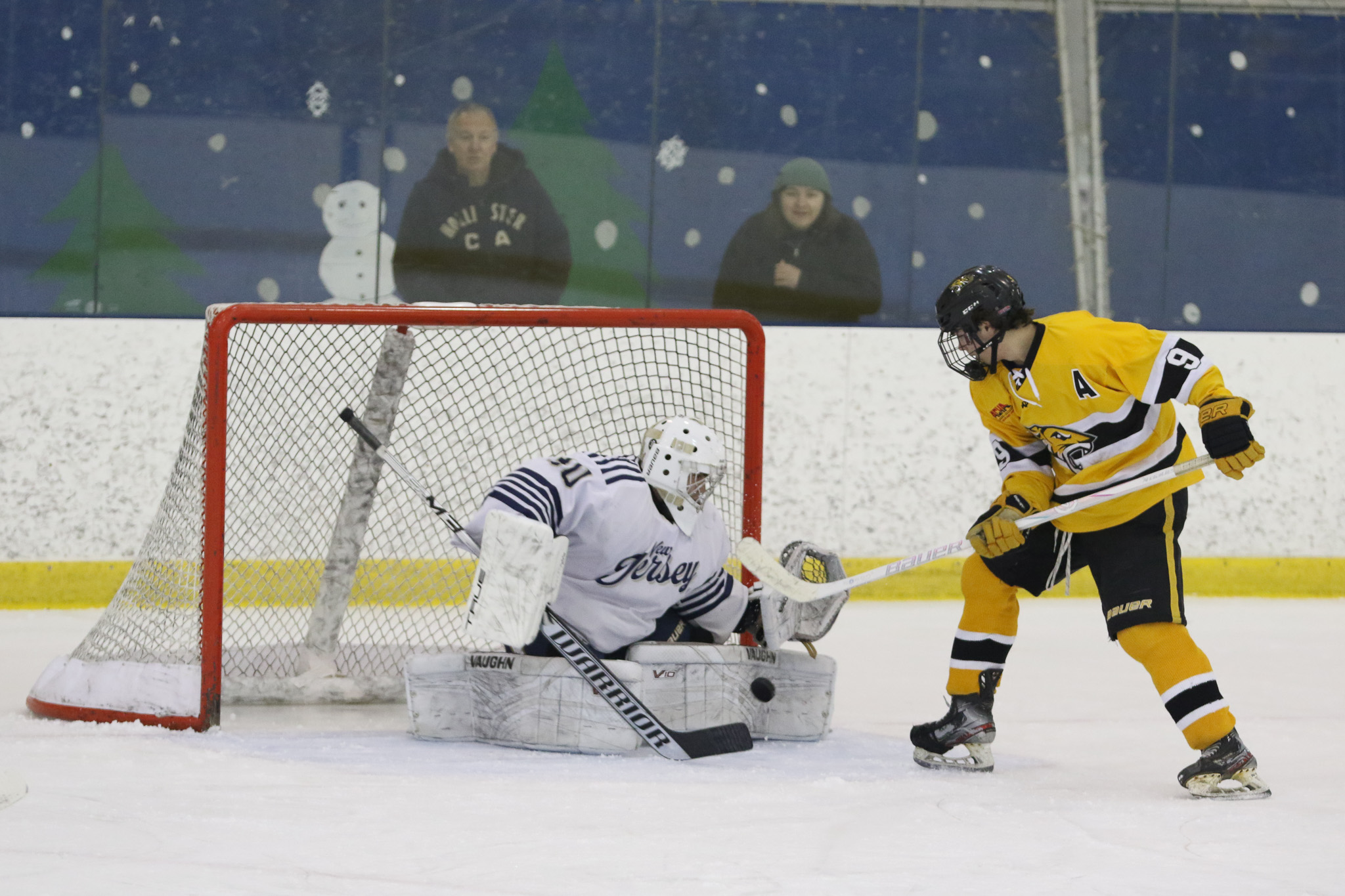
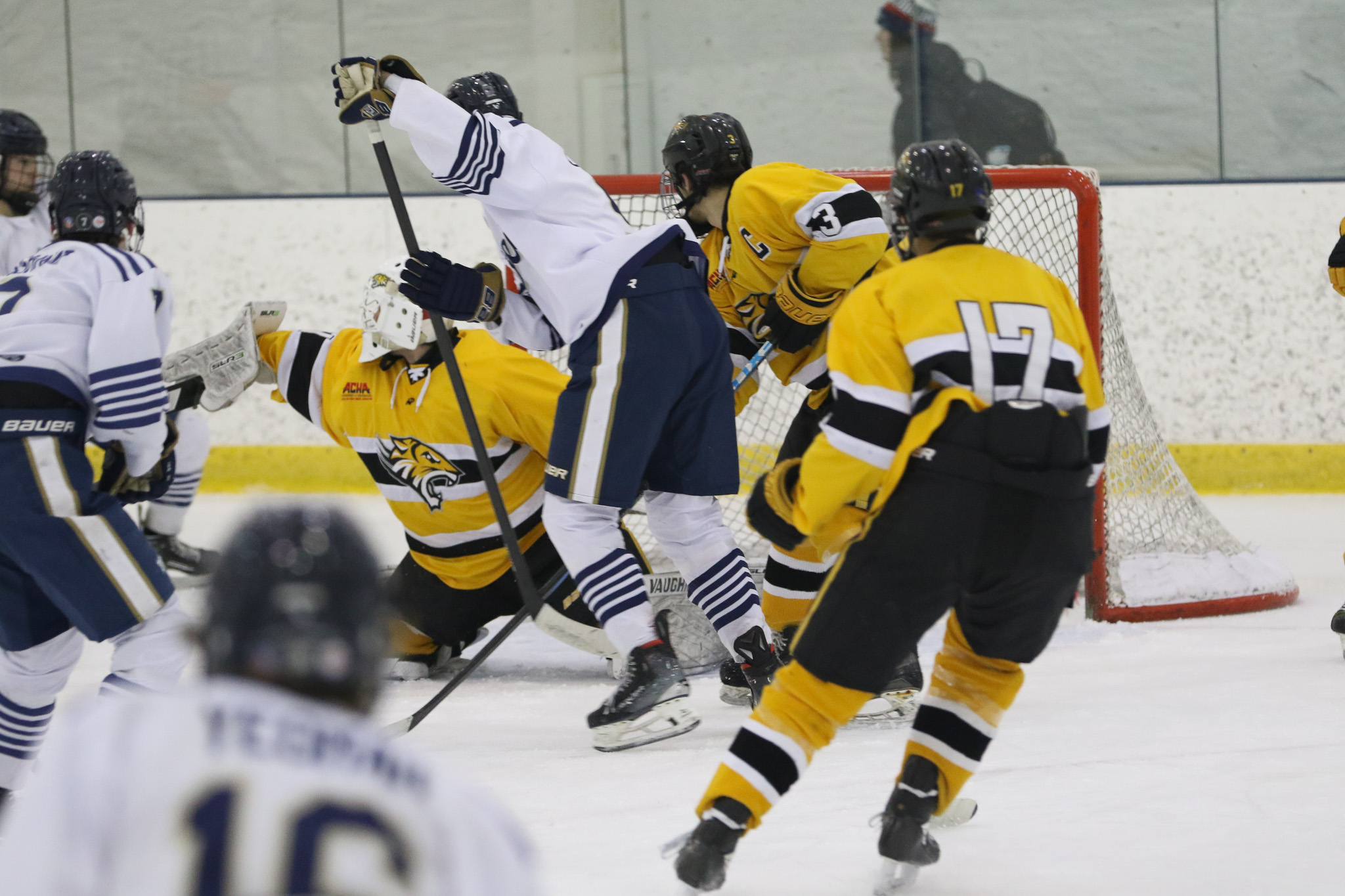
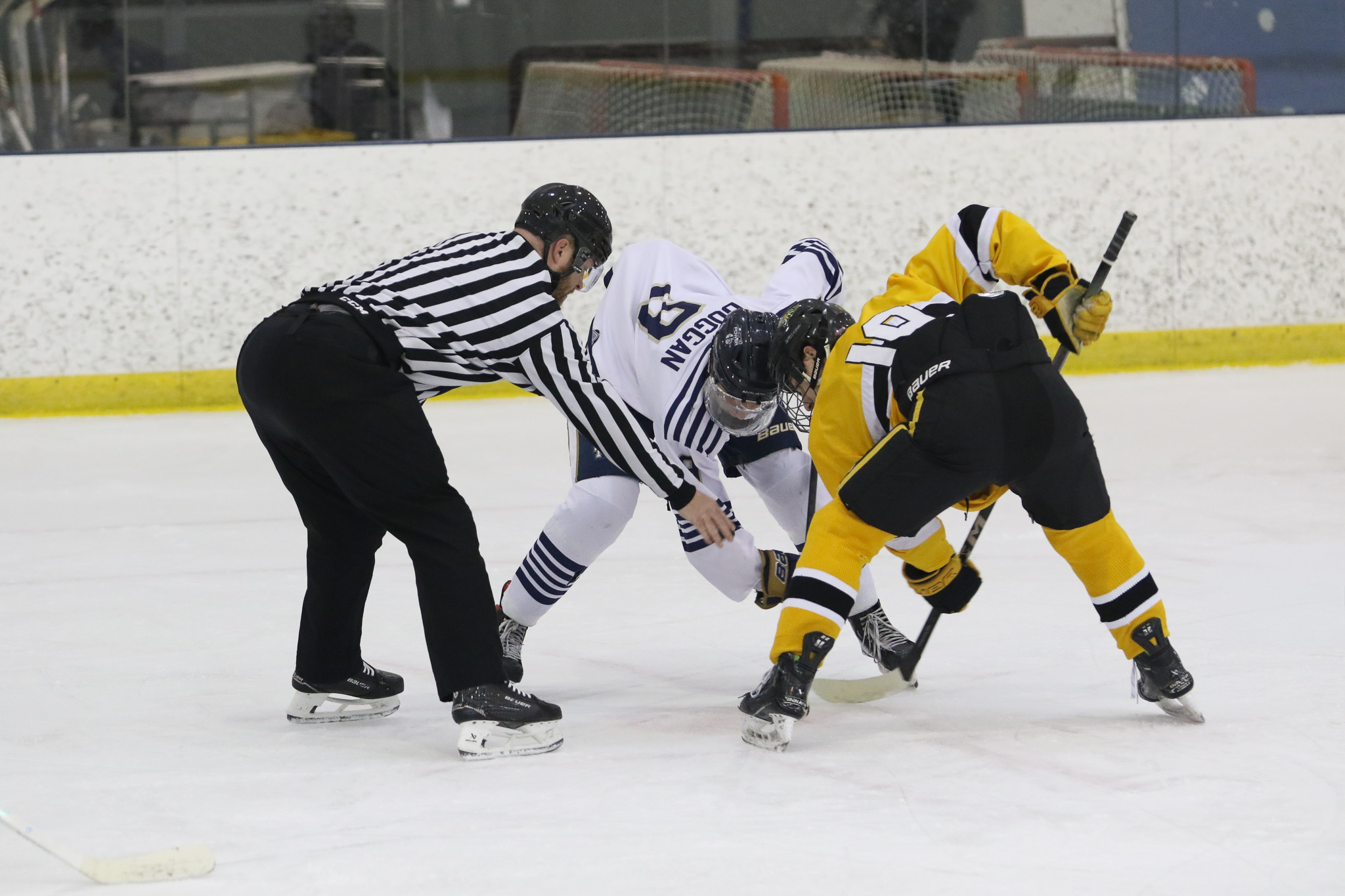
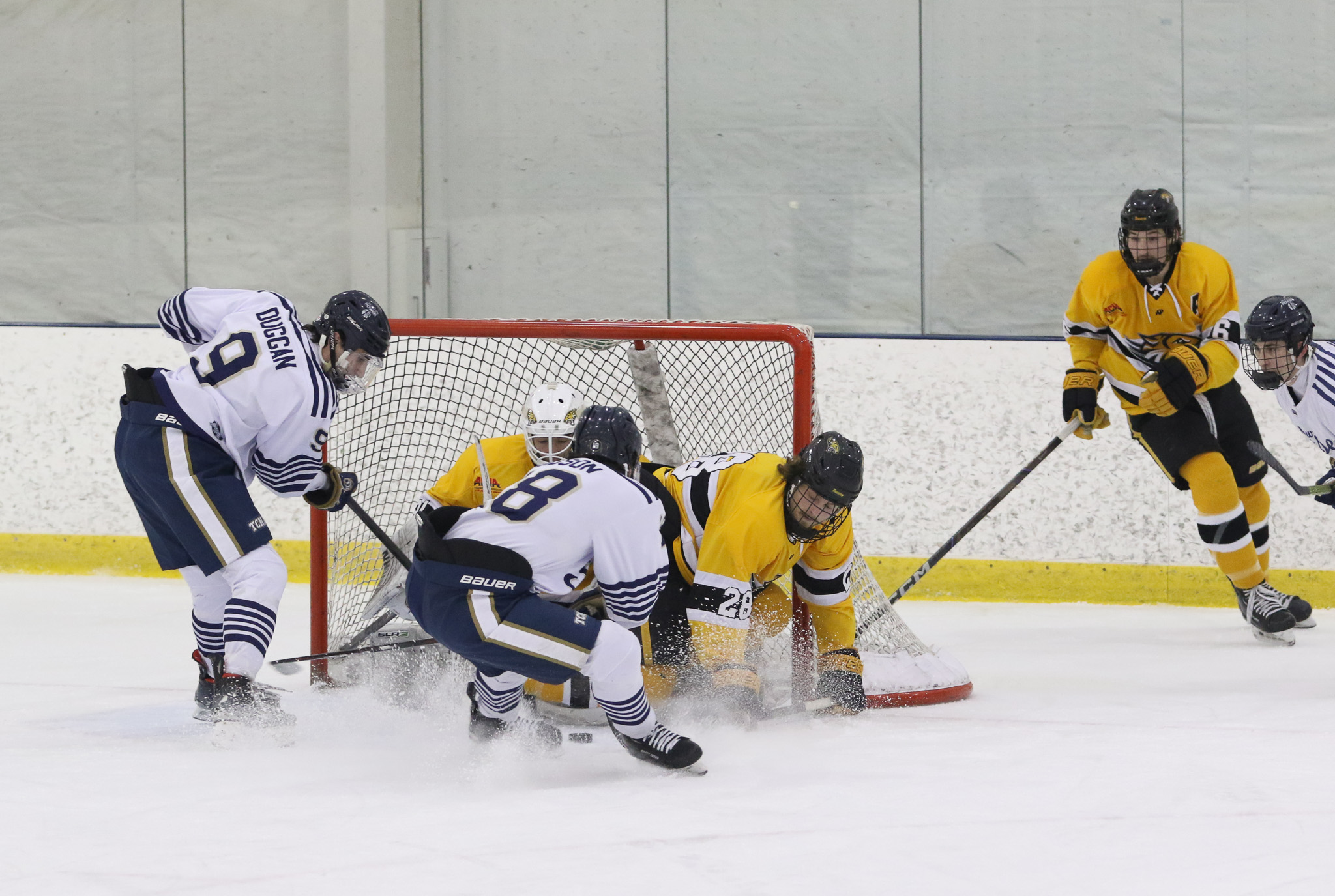
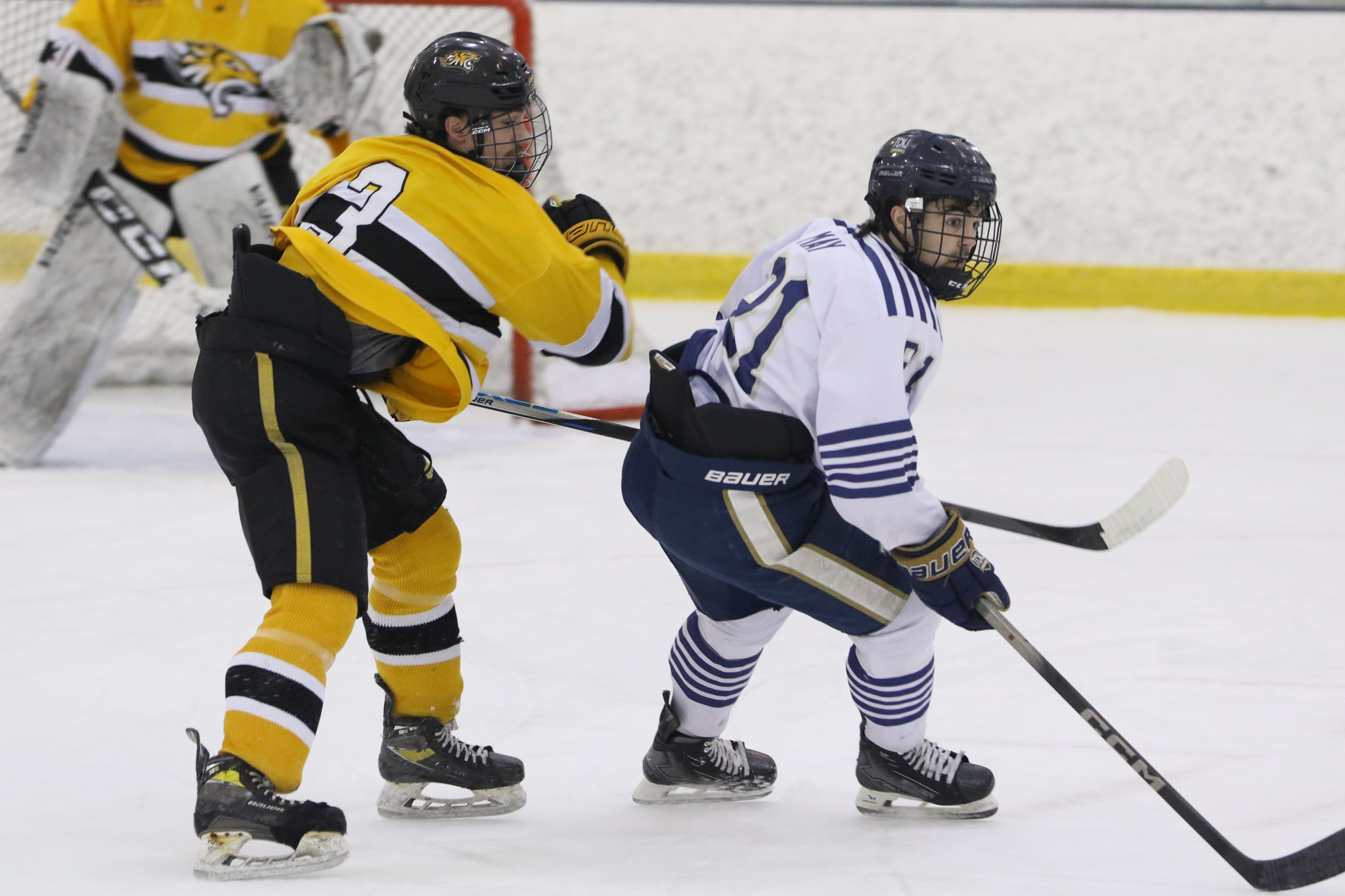
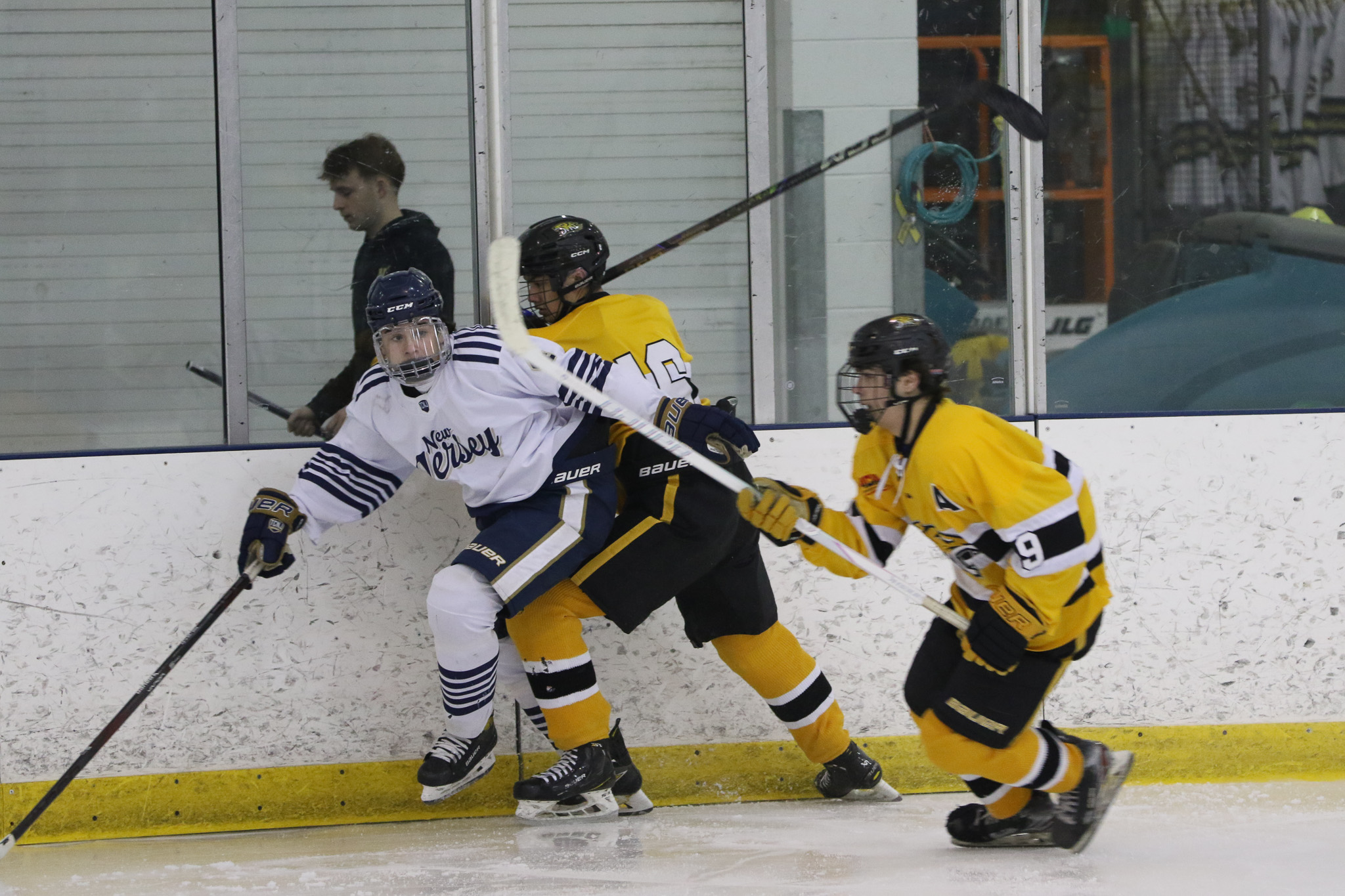
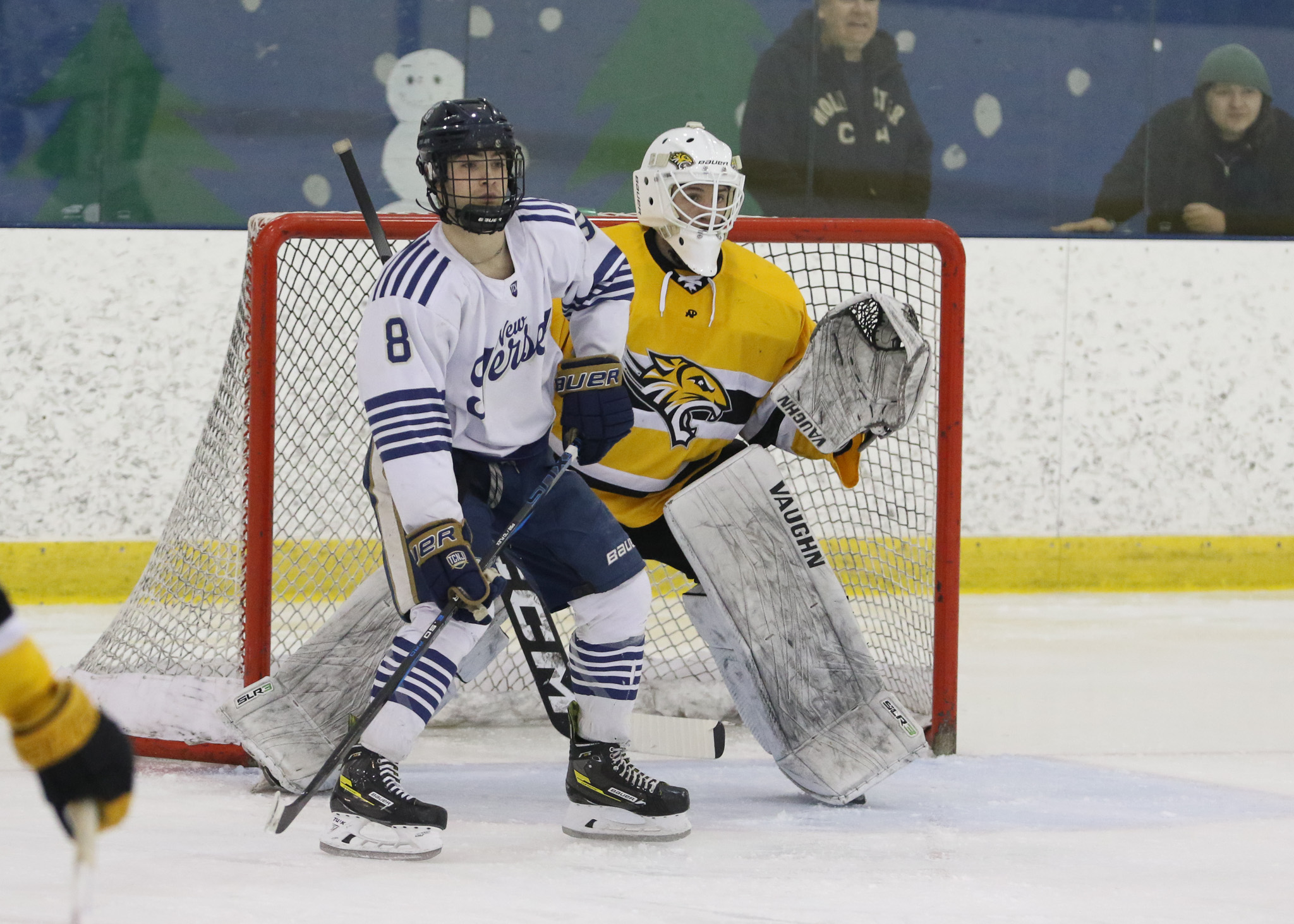
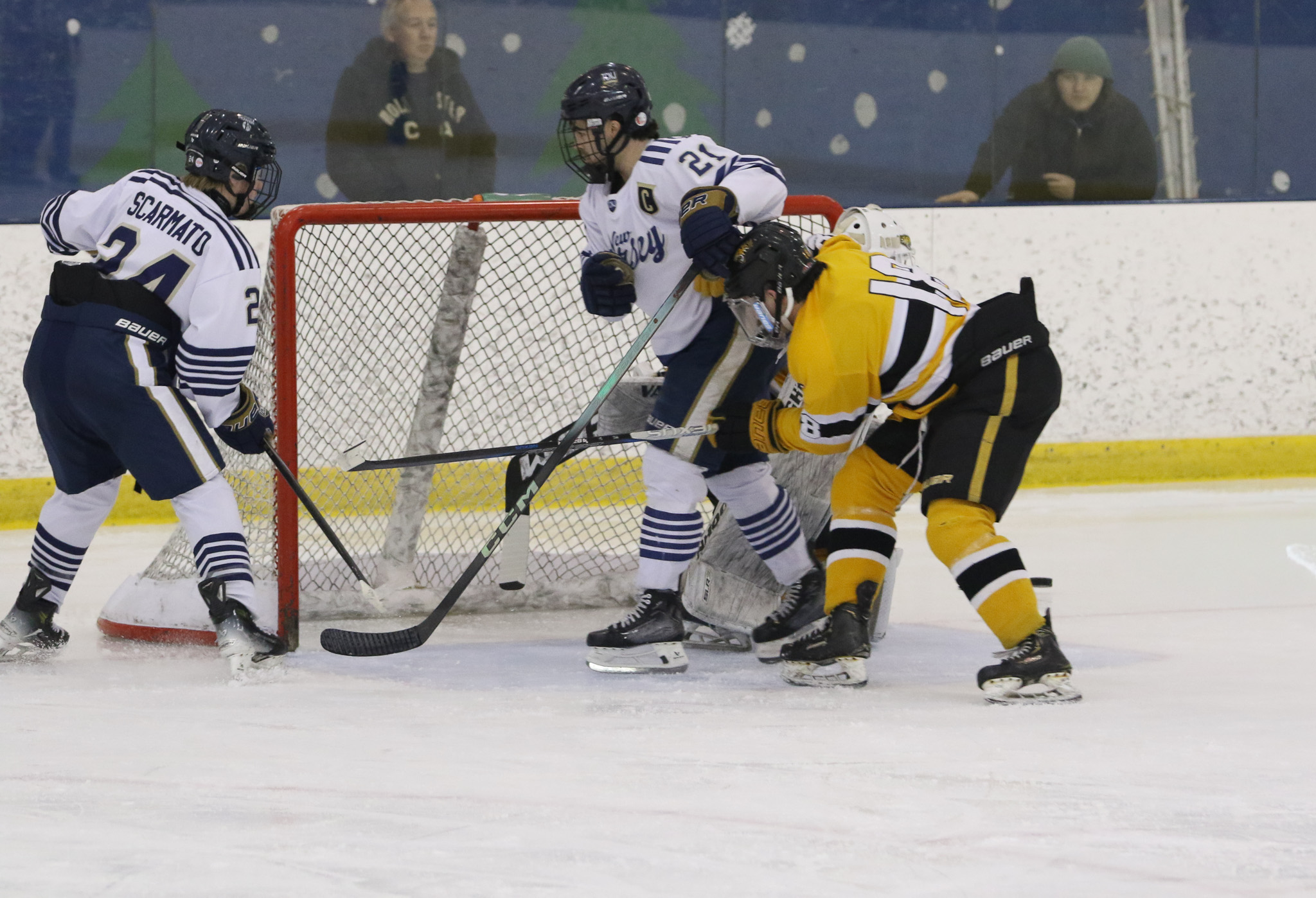
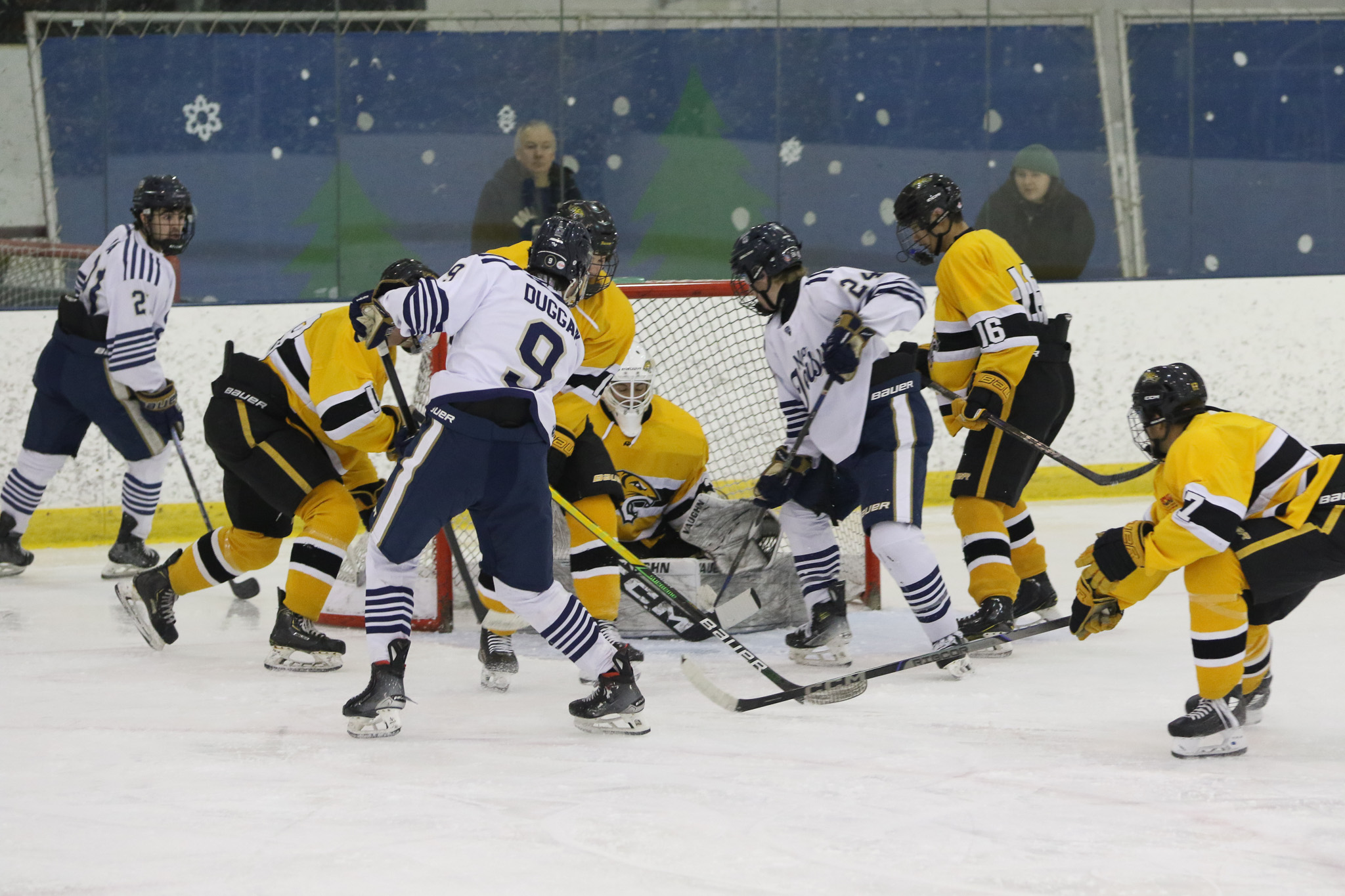
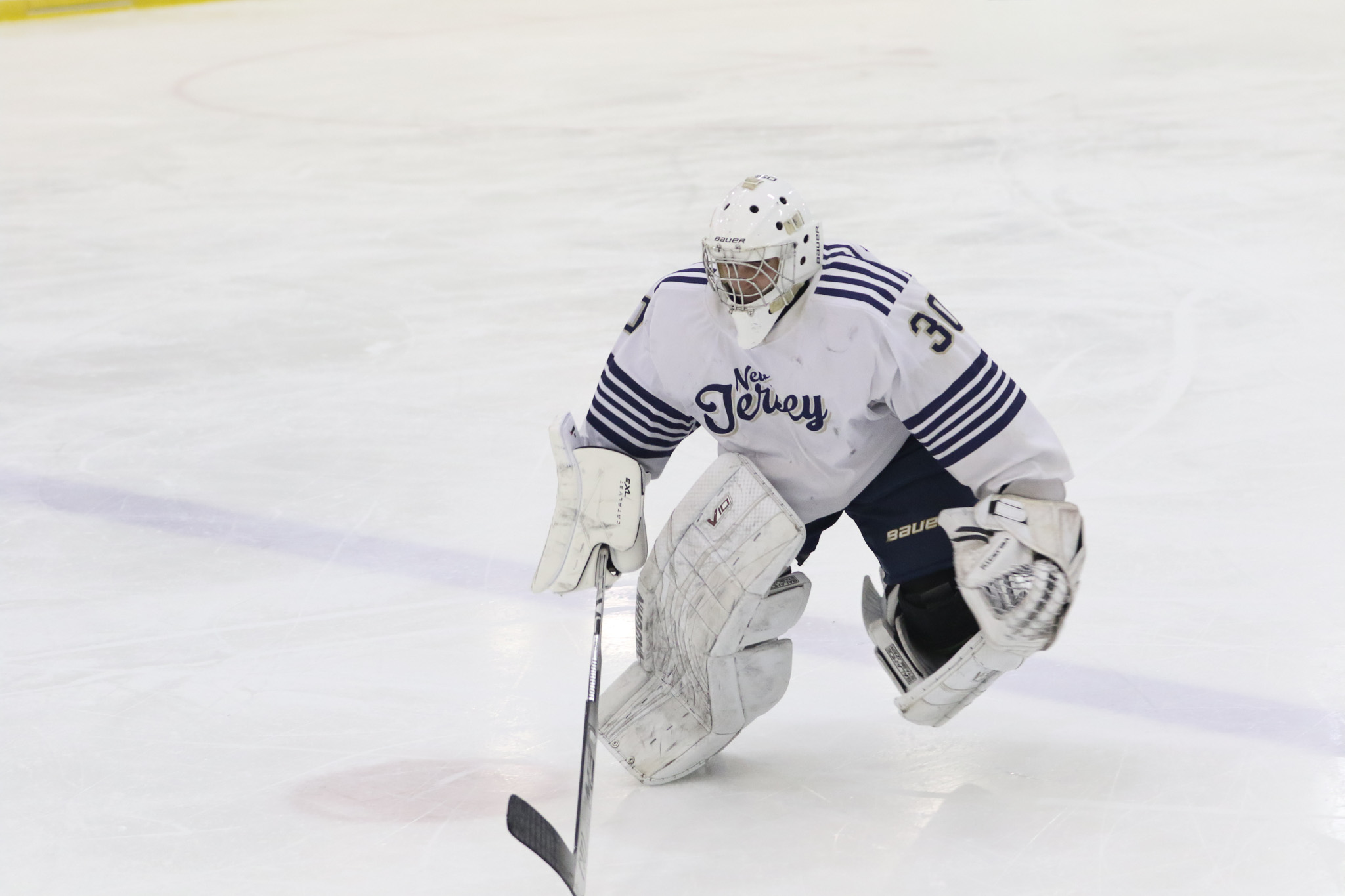
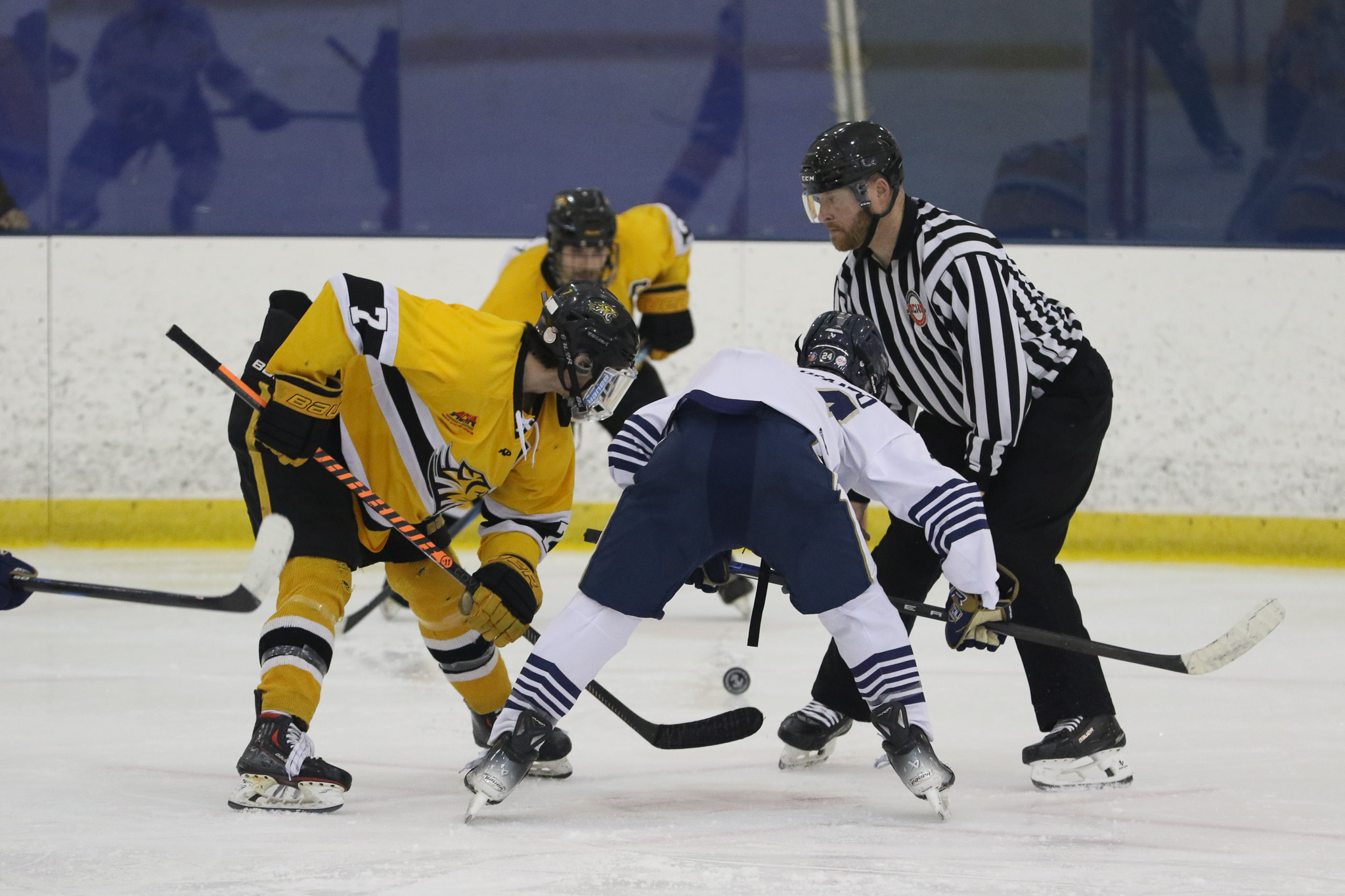
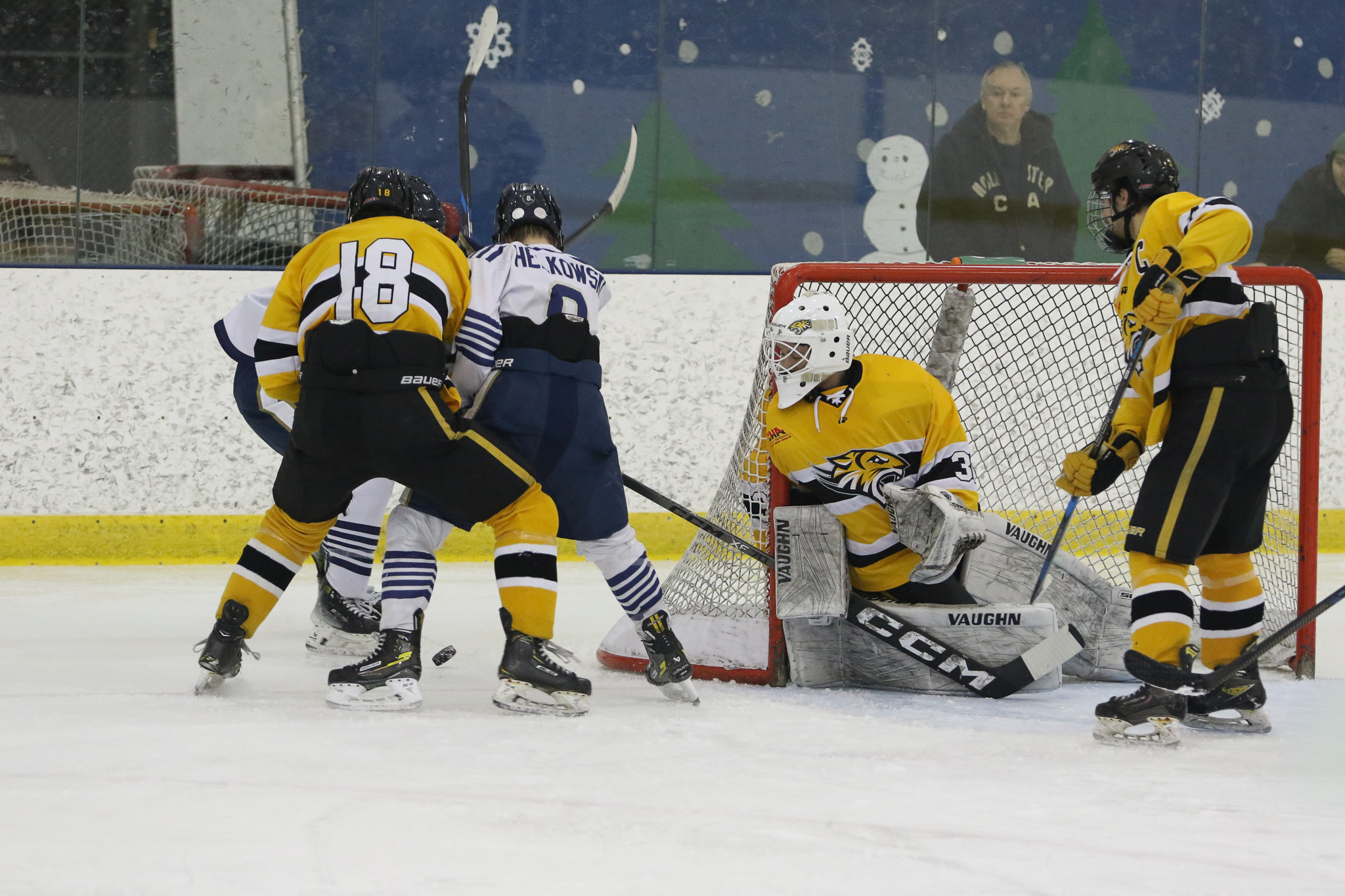
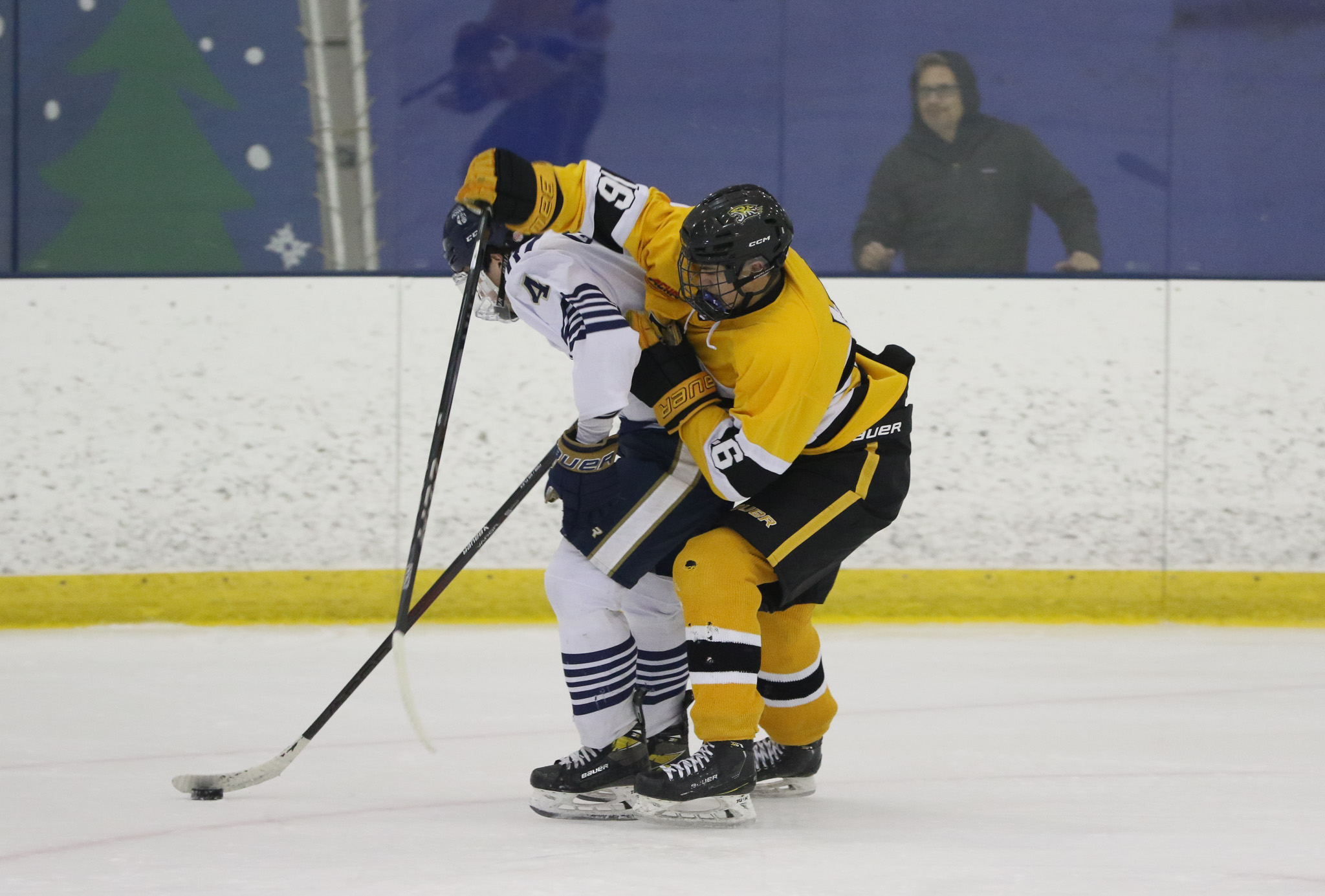
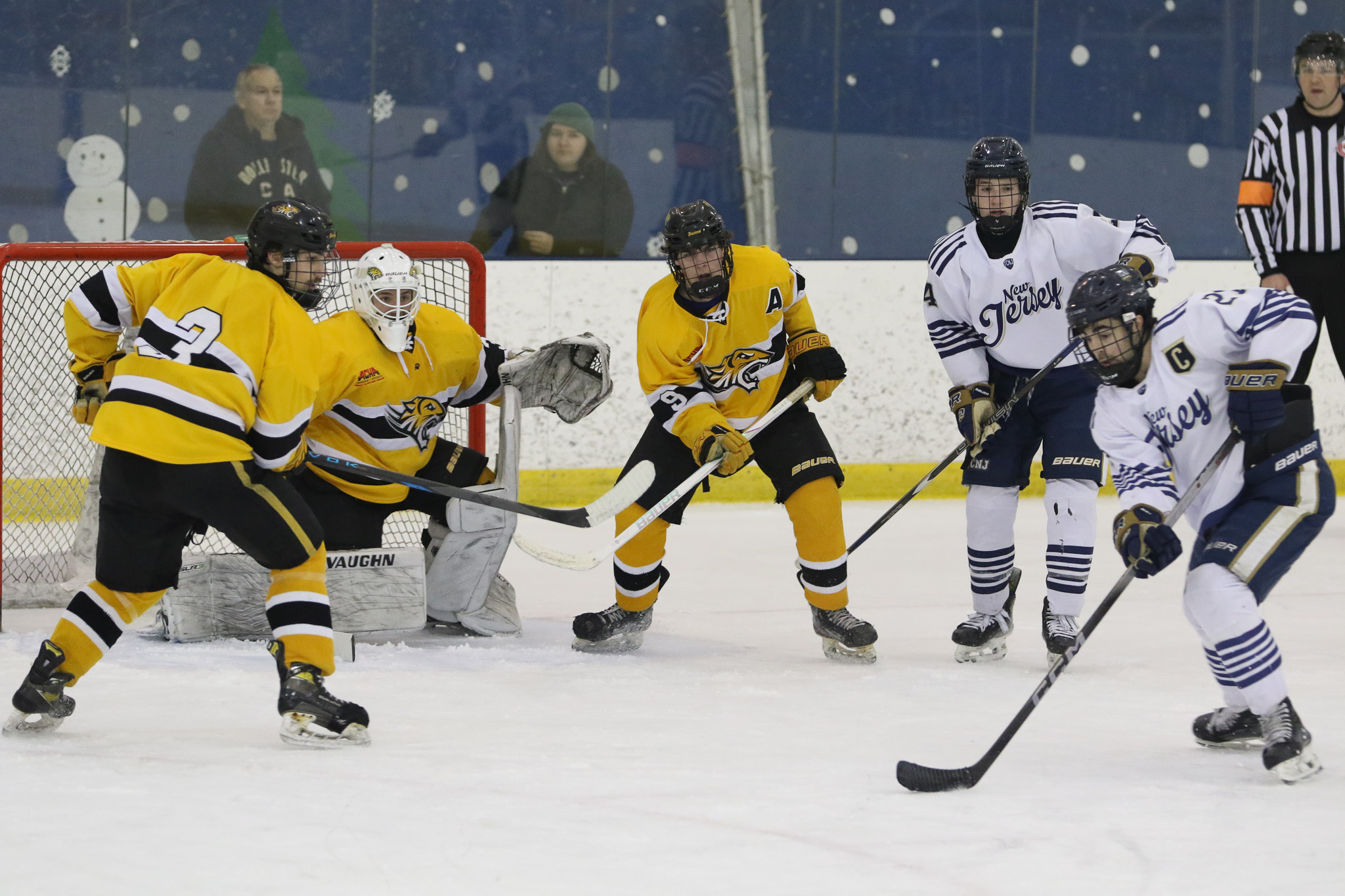
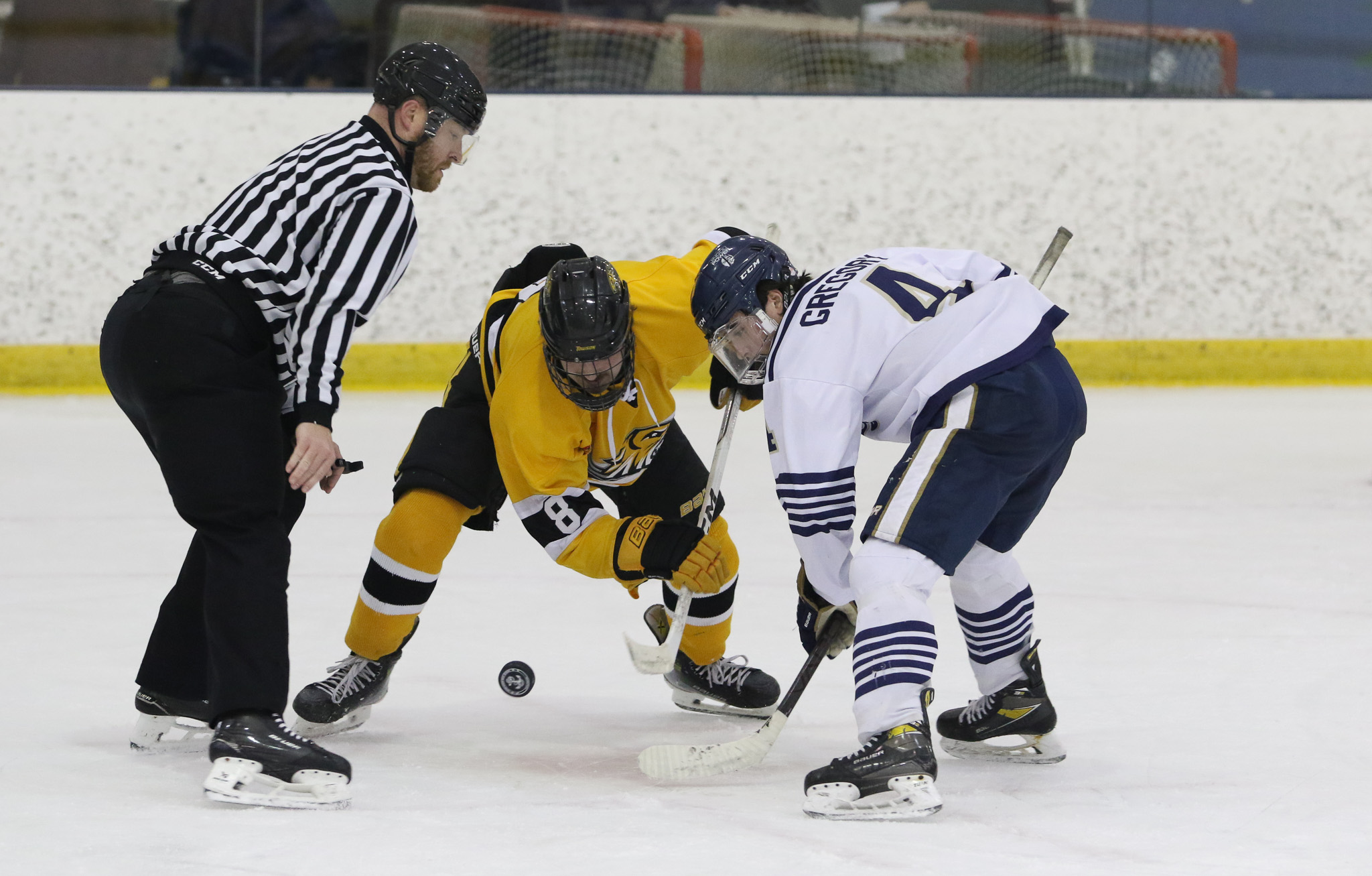
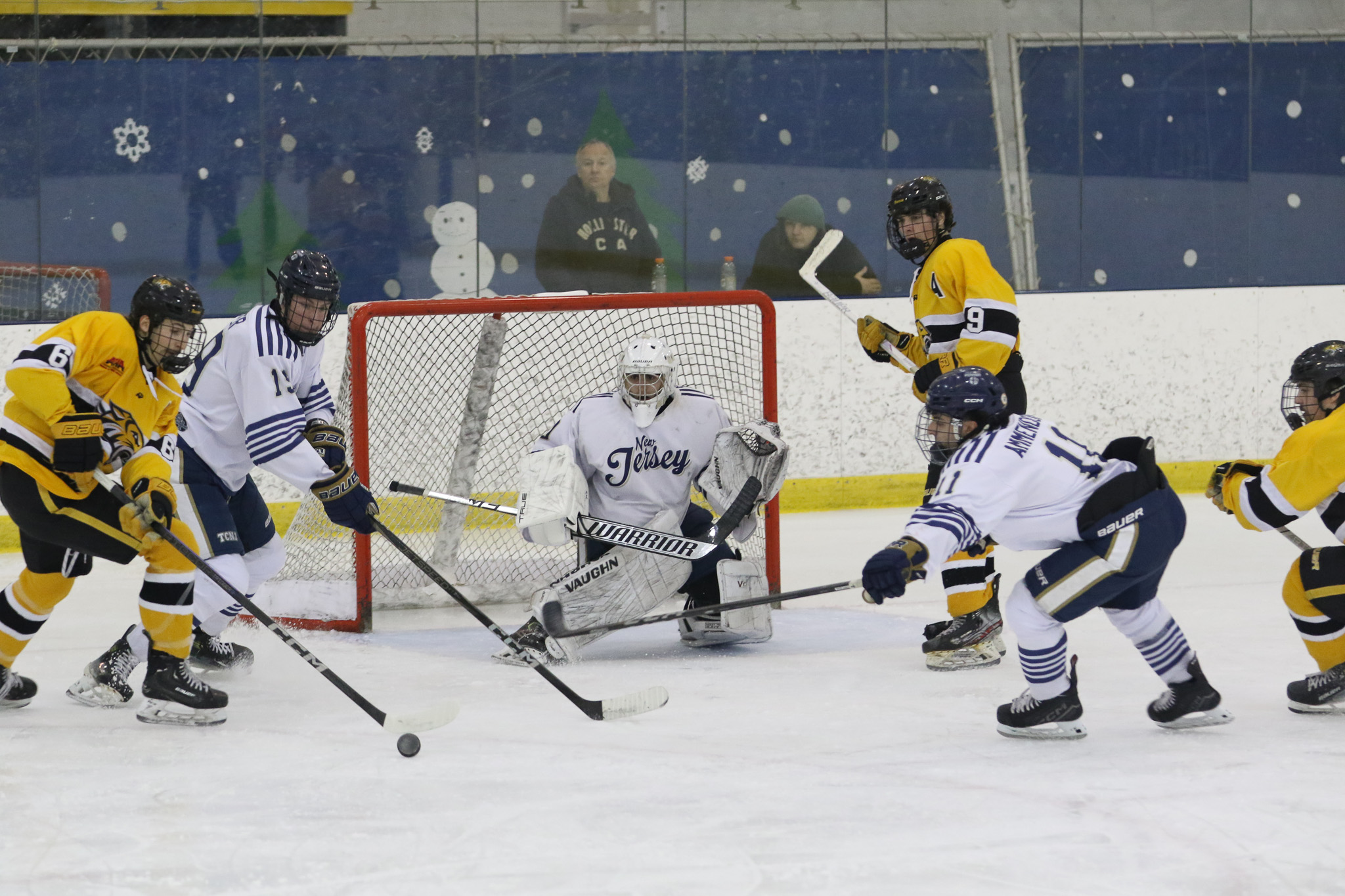
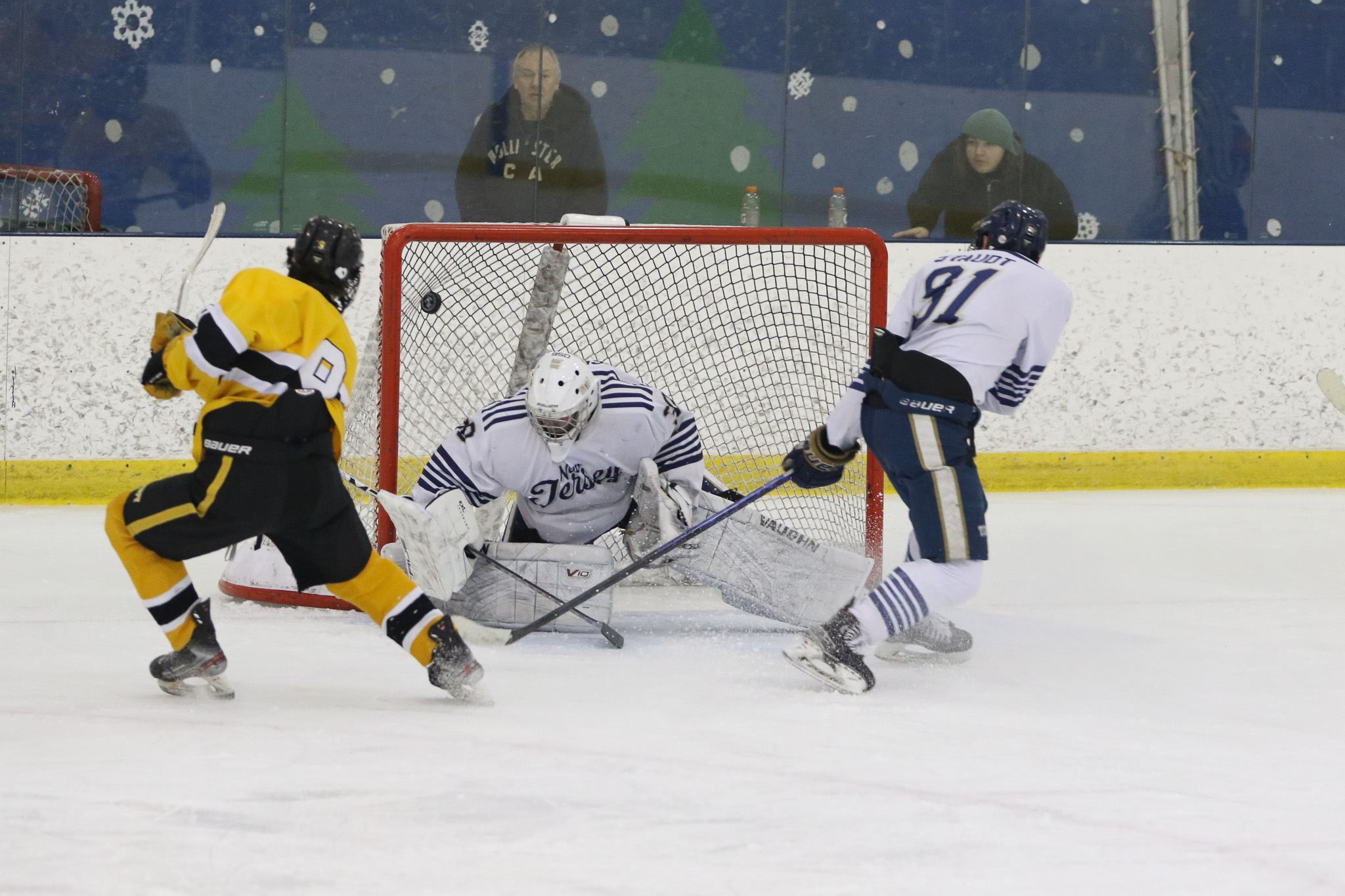
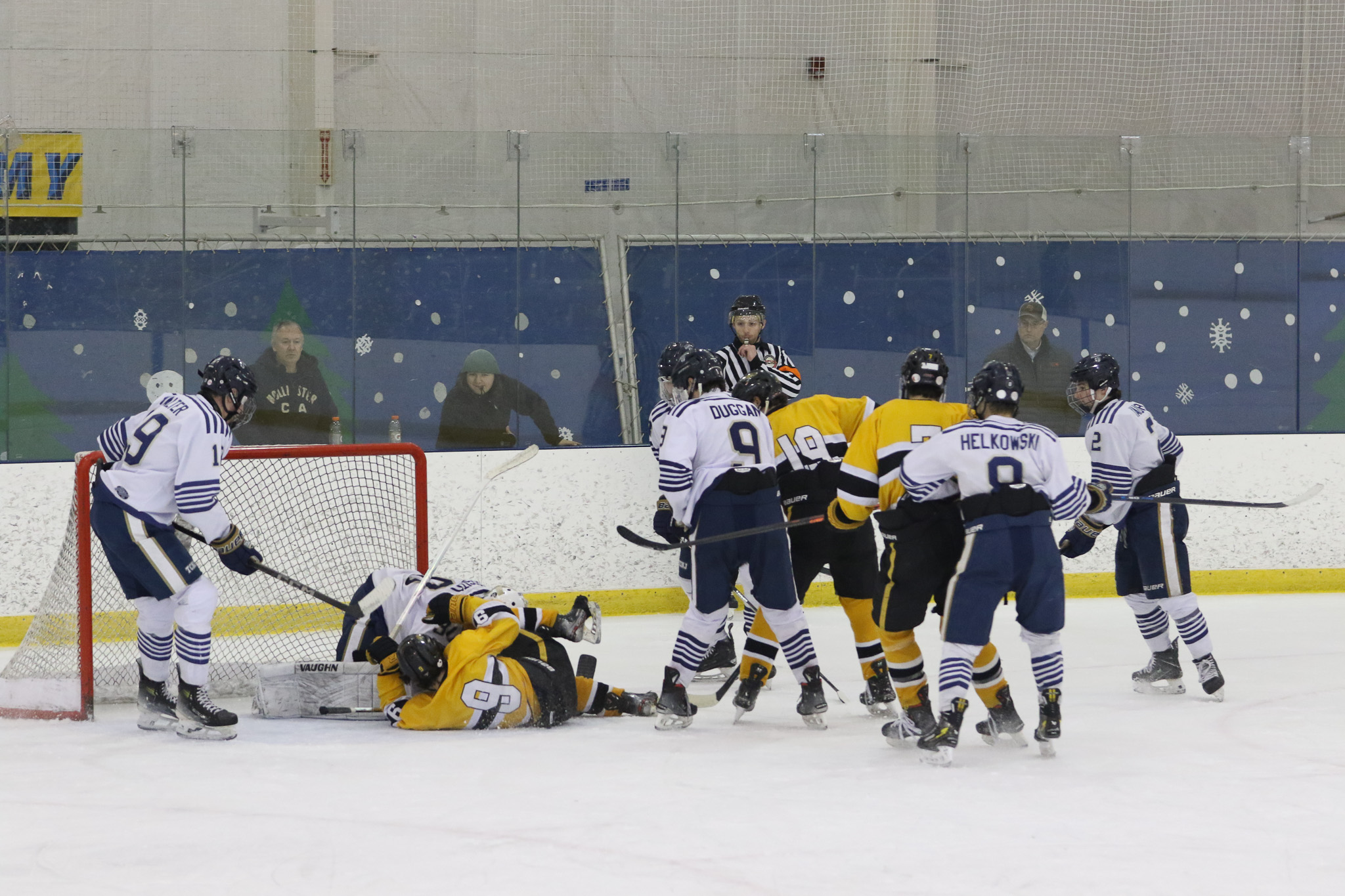
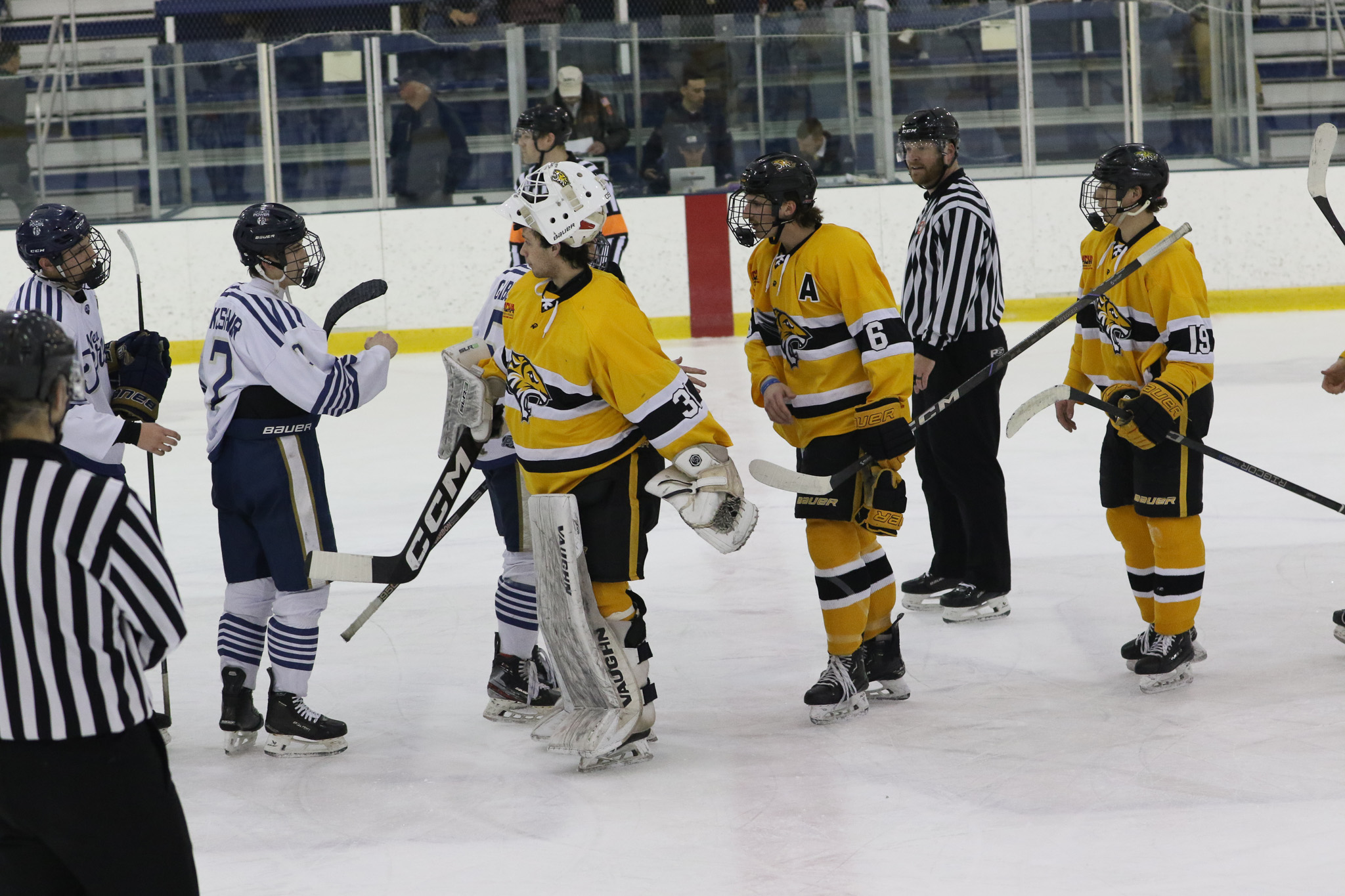
Annapolis, MD: On Friday, February 13, 2026, The College of New Jersey held off Towson University in the first of two preliminary games in the annual Crab Pot Tournament, The tournament is hosted by Navy Hockey at McMullen Arena. The final score was 4-3.1

TCNJ opened the scoring 1:04 into the first period with an unassisted goal by Josh Kushnir. Daniel Yakub scored for TCNJ at 14:53 with an assist from Nick Staudt. Yakub would pot his second goal of the game at 19:20 with assists coming from Logan May and Kyle Gregory giving them the 3-0 lead after the first period.

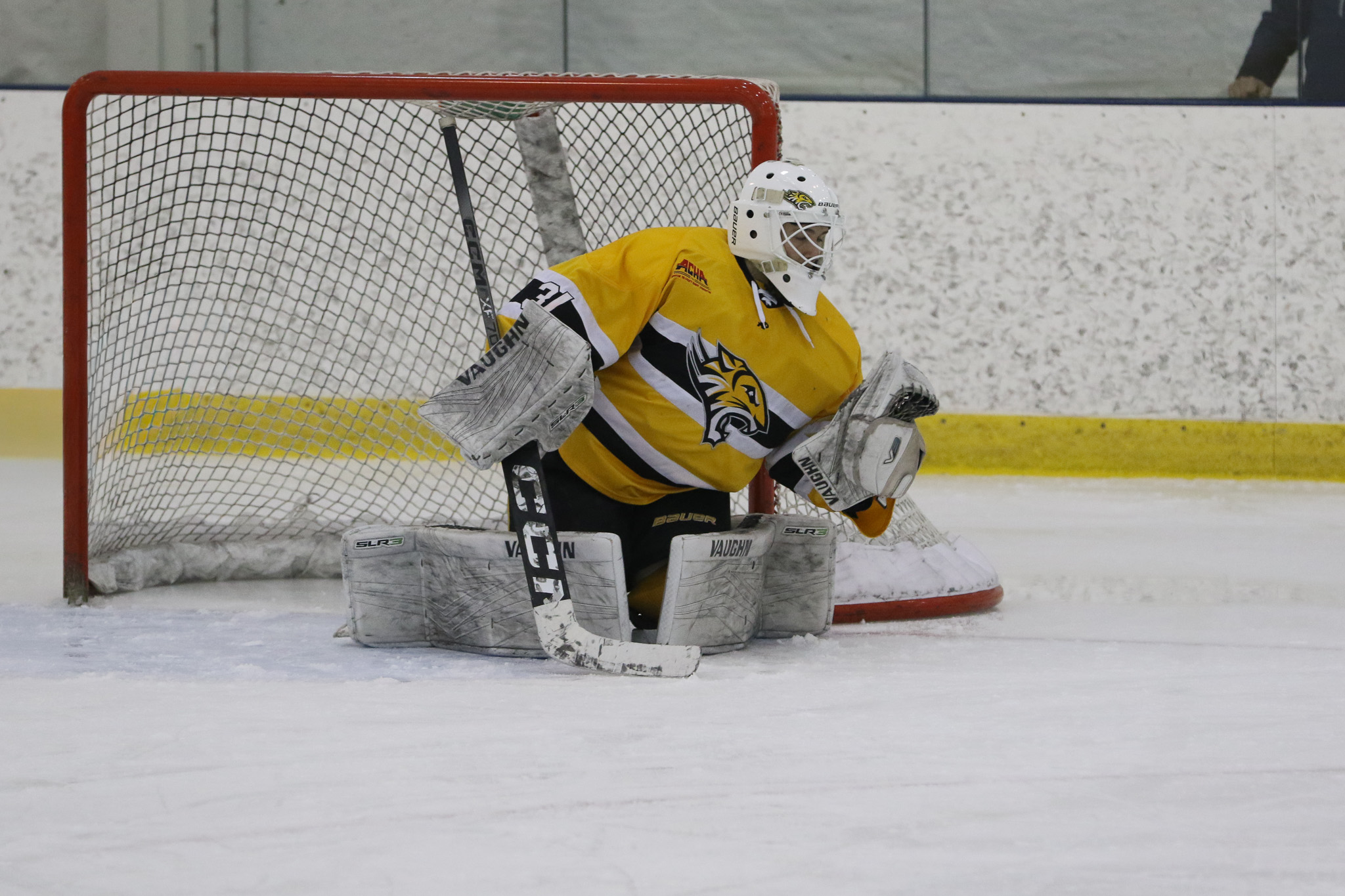
The Towson Tigers fired 10 shots on net, while the Lions of TCNJ put 18 on goal,

James Harwood got Towson on the board at 11:14 of the second period with a helper from Tyler Chmiel.

Less than three minutes later, it would be Harwood again, this time with an assist from Jeremy Wilson at 14:09. The second period ended with TCNJ up 3-2. Shots on goal were 13-9 with the Lions putting more rubber on the net.

Kyle Gregory would extend the lead back to two goals at 3:25 of the third period with helpers from Josh Kushnir and Zach Duggan. The goal was scored while on the power play. At 9:45, Jeremy Wilson would bring Towson back to within one goal, with an assist from Keegan Jensen. Towson would end up outshooting TCNJ 11-7 in the third.1

Christian Esposito was in net for the Lions, making 27 saves on 30 shots. Luke Schaub was in net for the Tigers and ended with 34 saves on 38 shots.

TCNJ would go on to win the Crab Pot Tournament after defeating the University of Maryland, while Towson ended up losing to Navy in the Consolation game.


Black Bears Defeat Johnstown

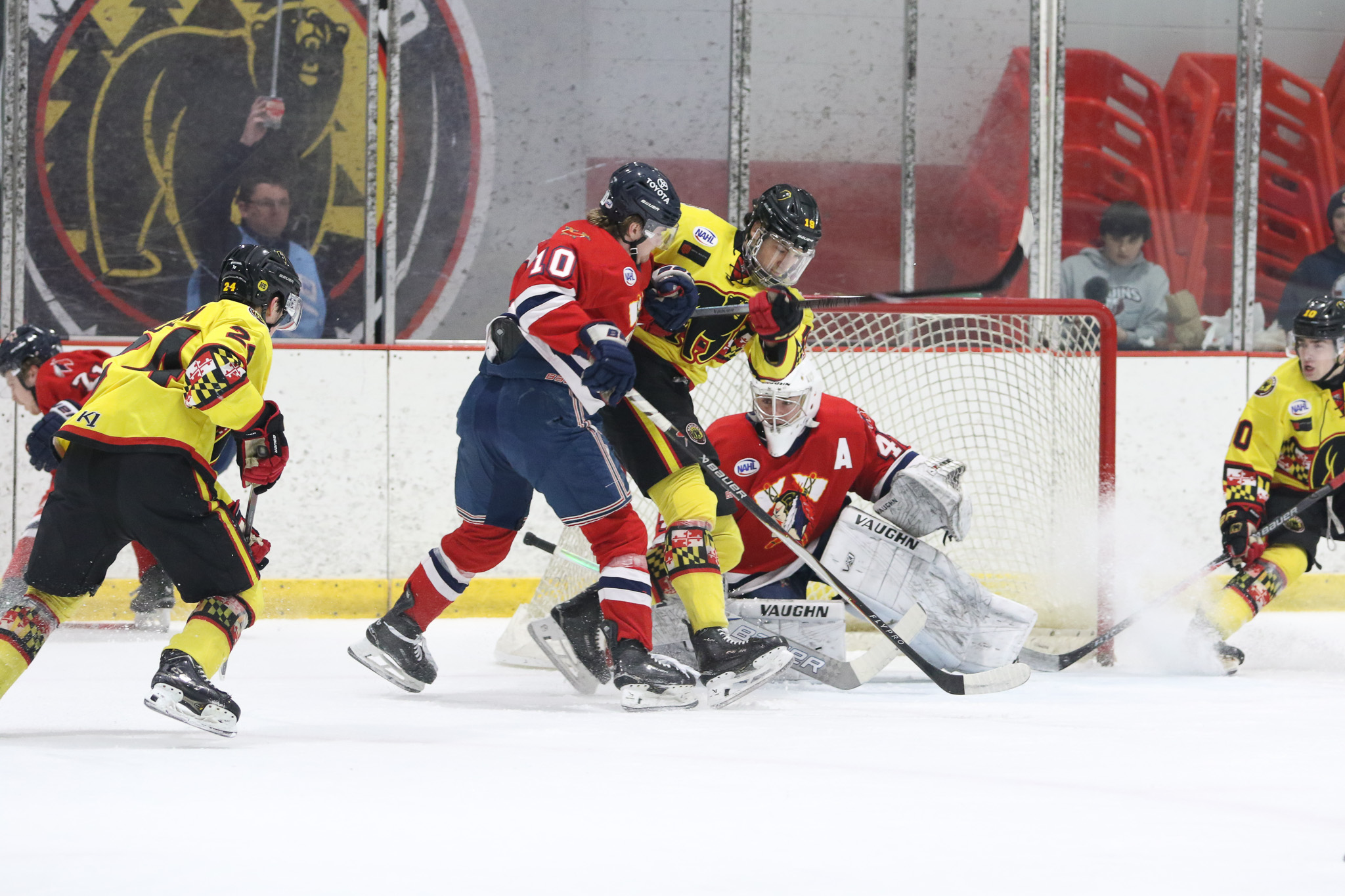
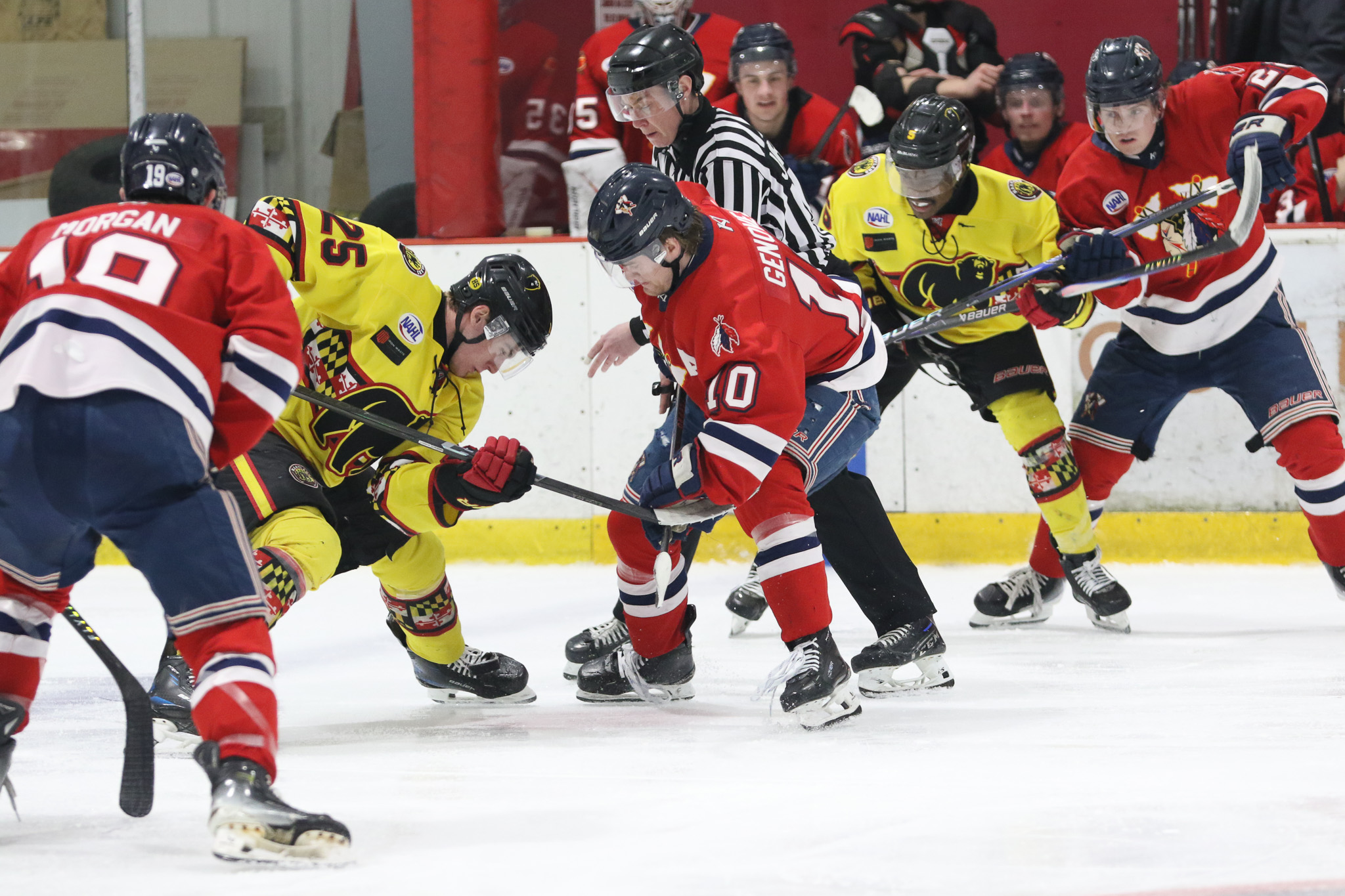
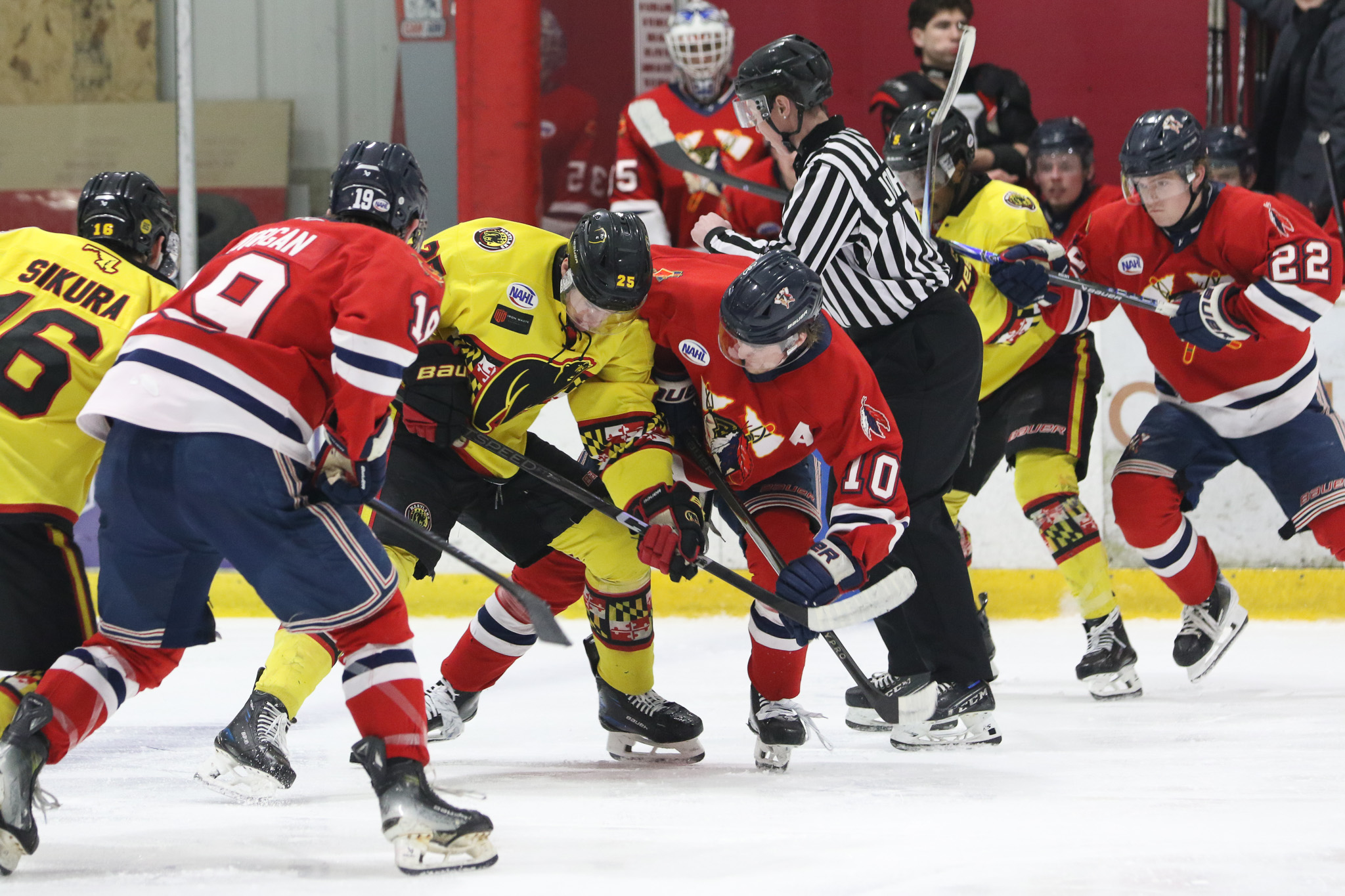
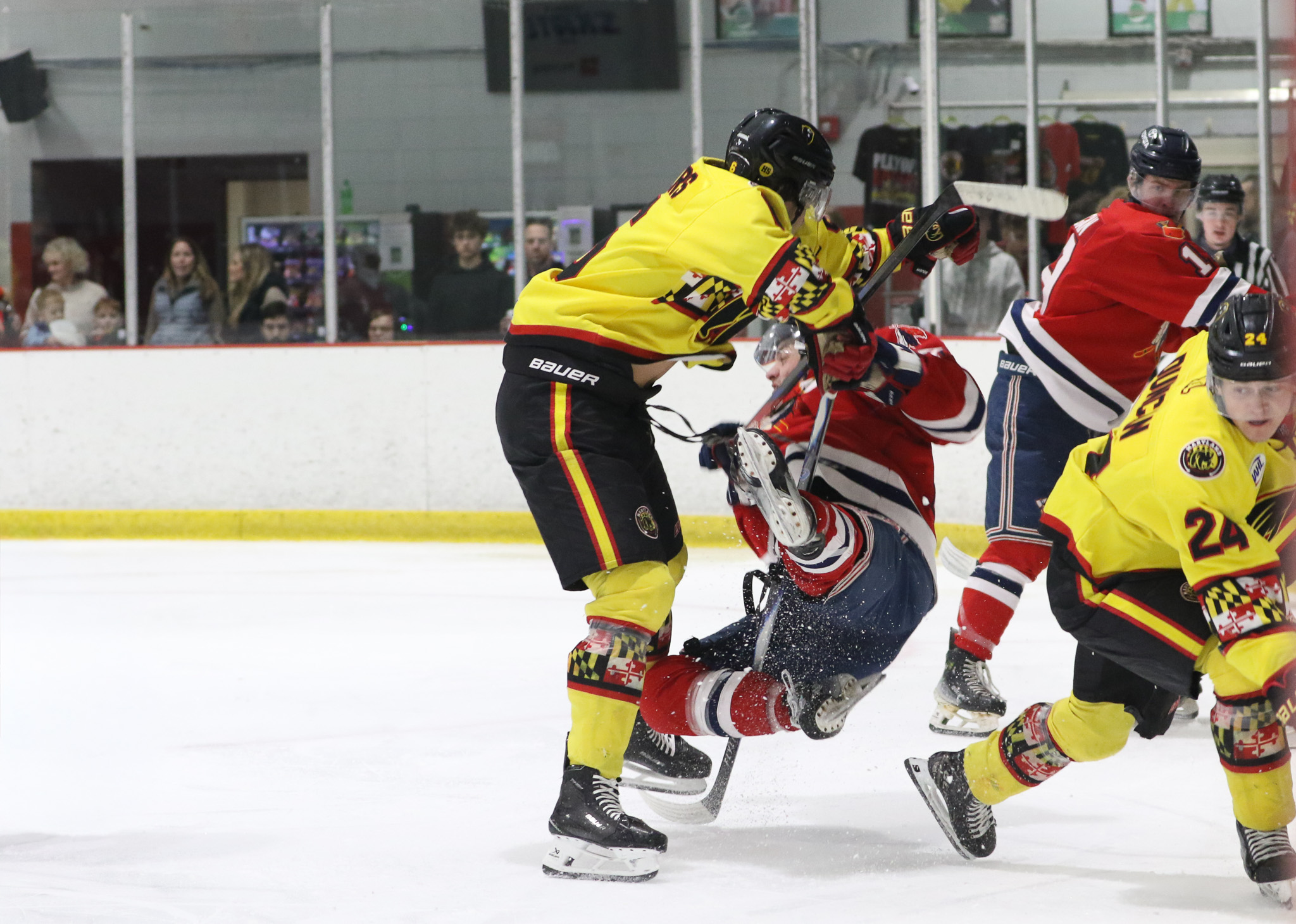
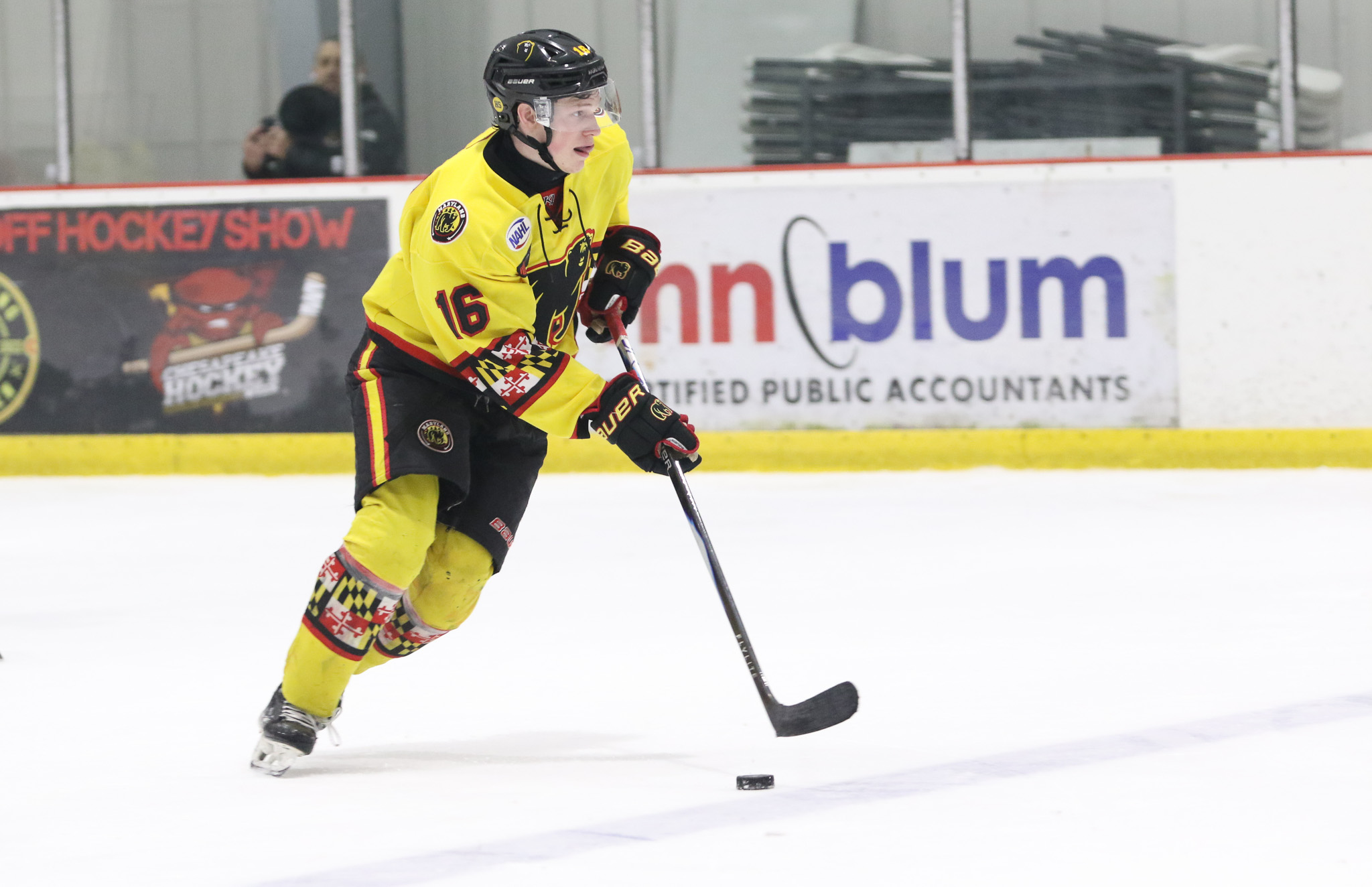
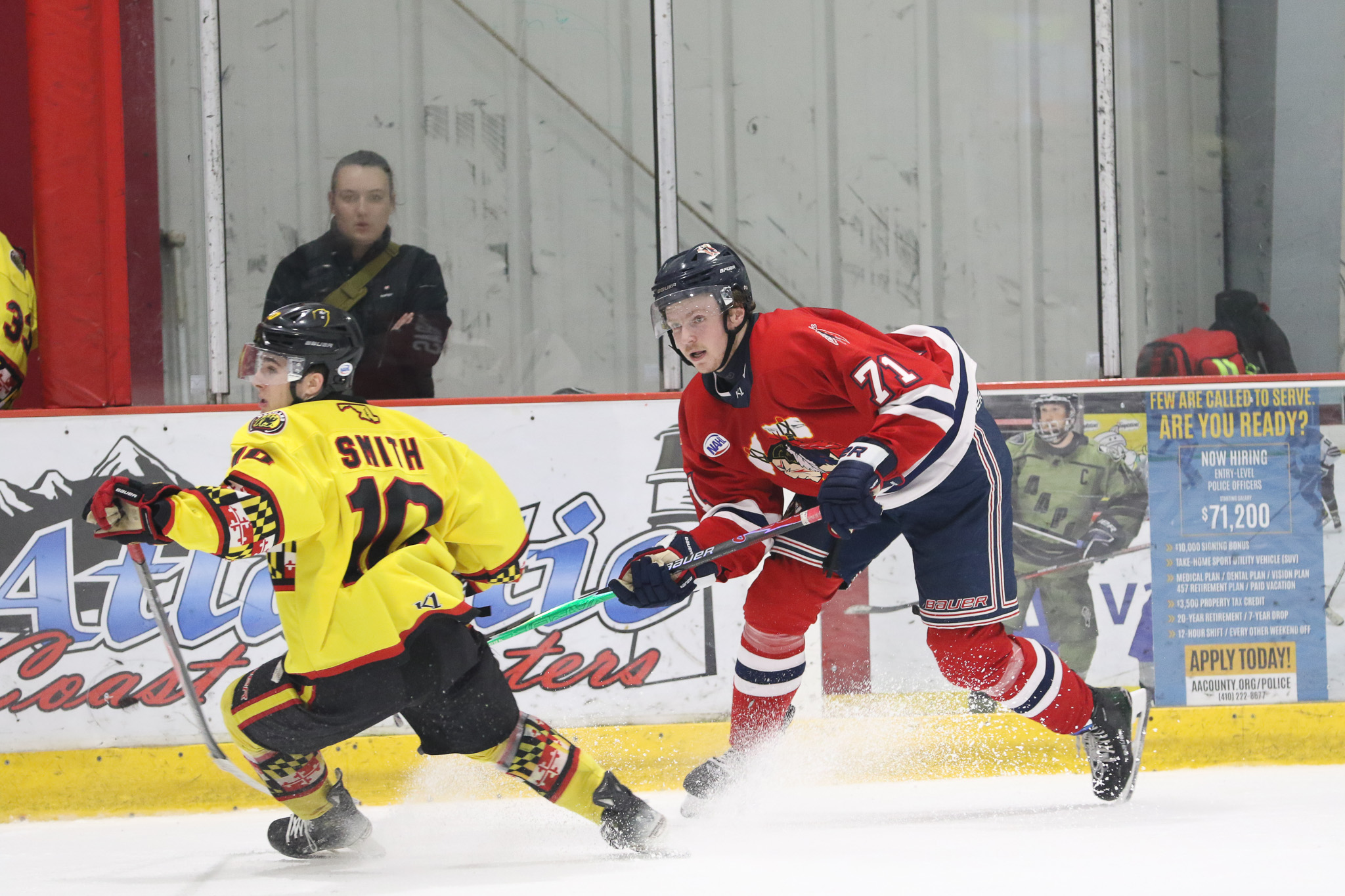
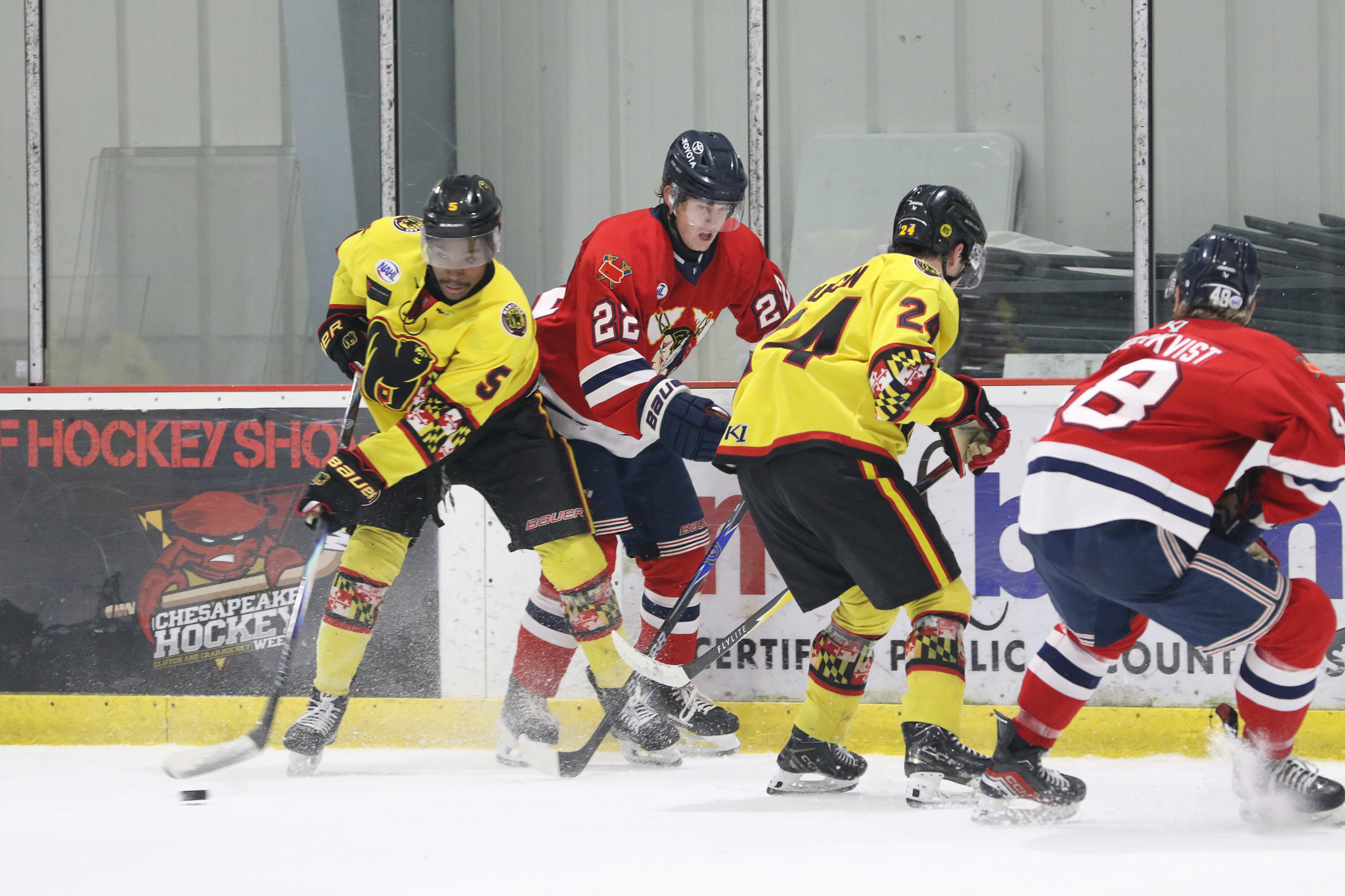
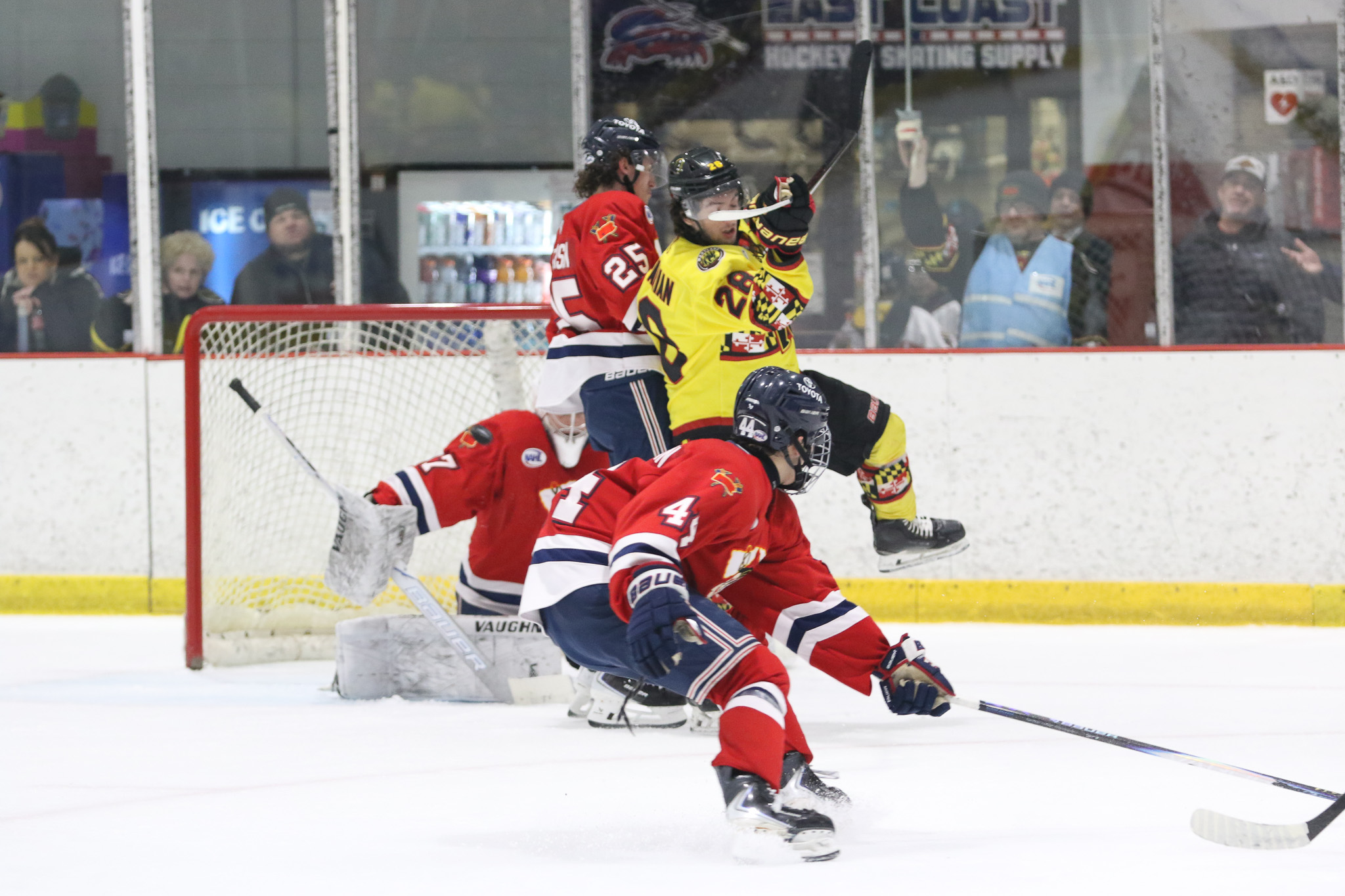
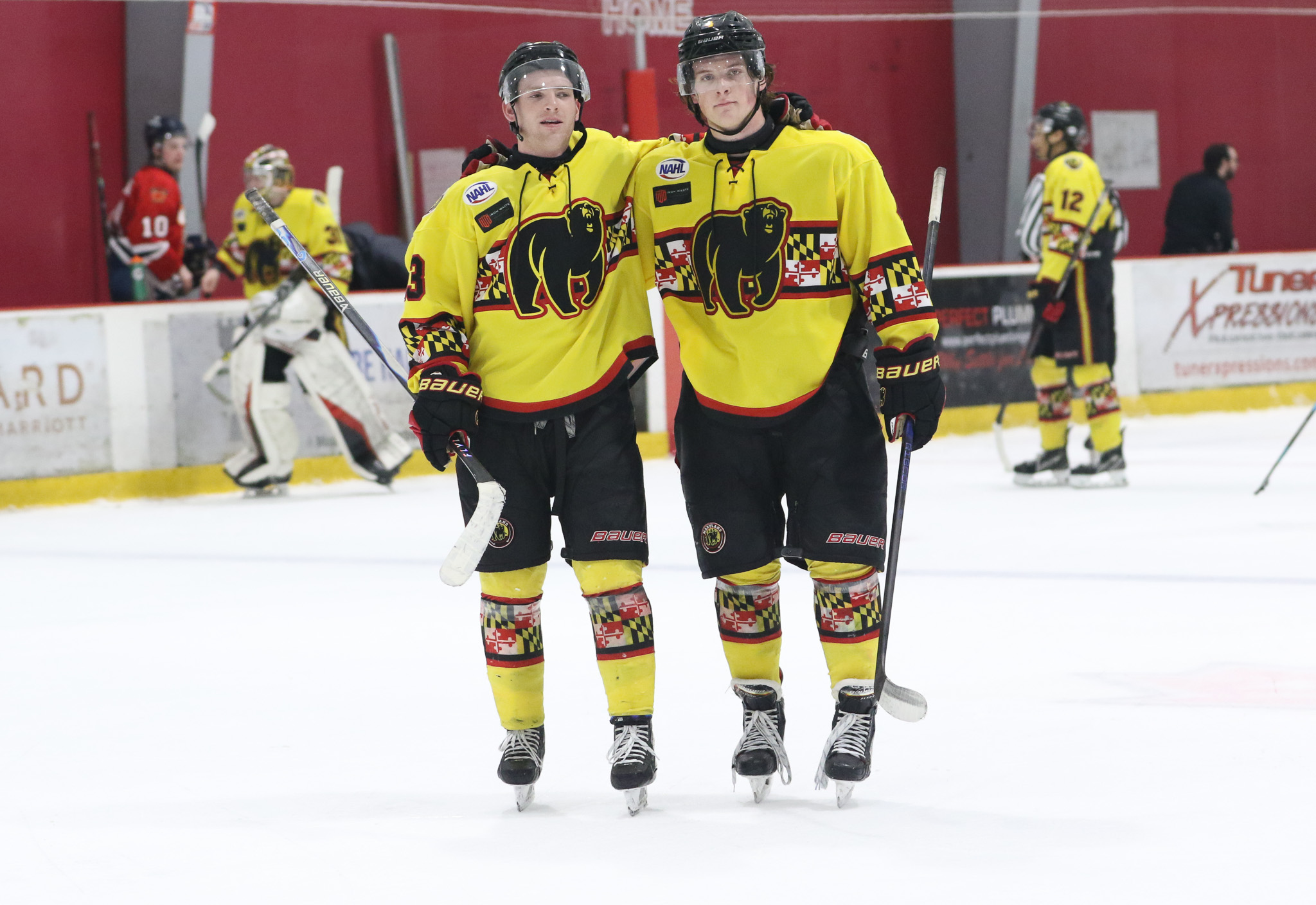
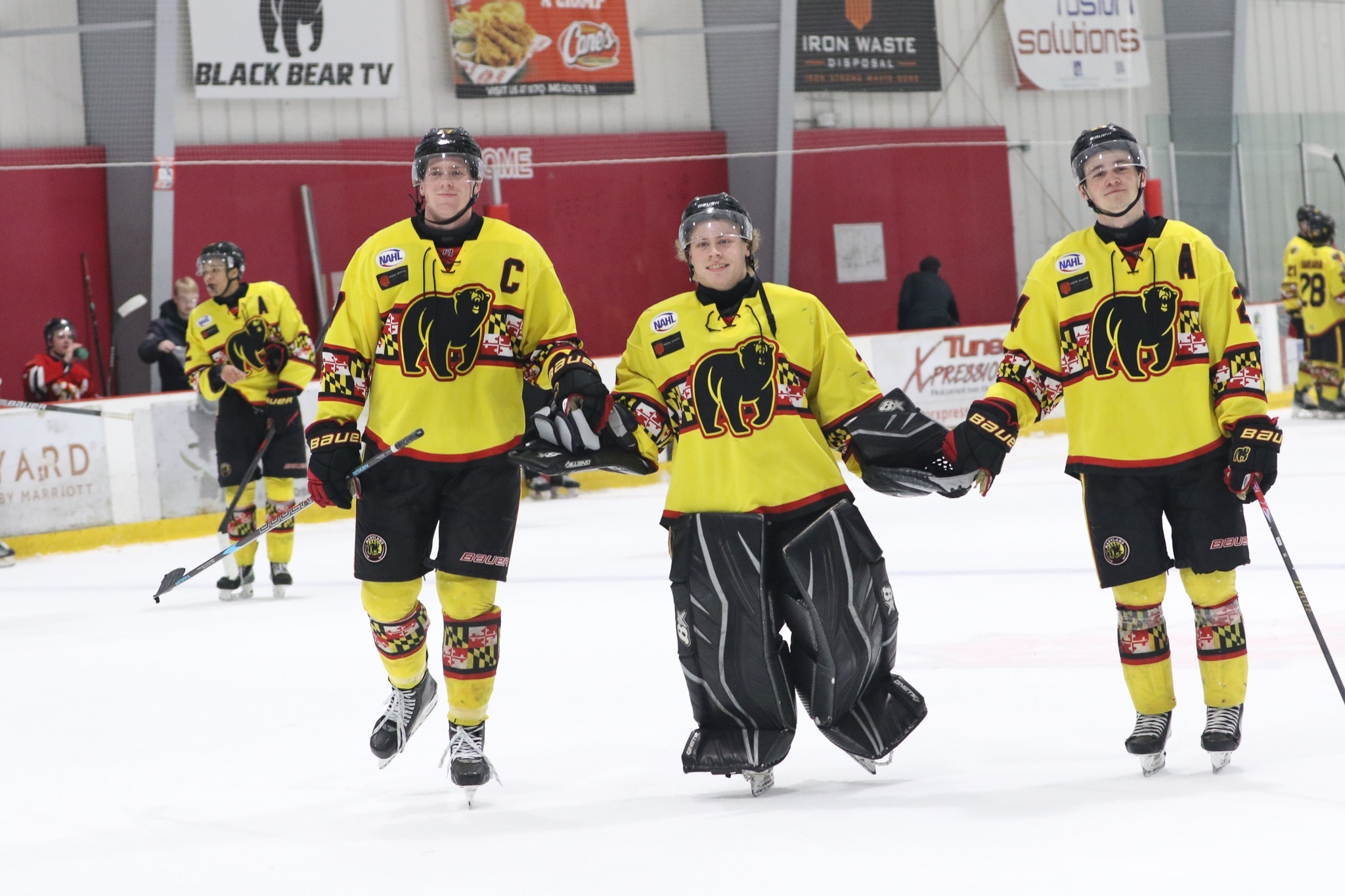
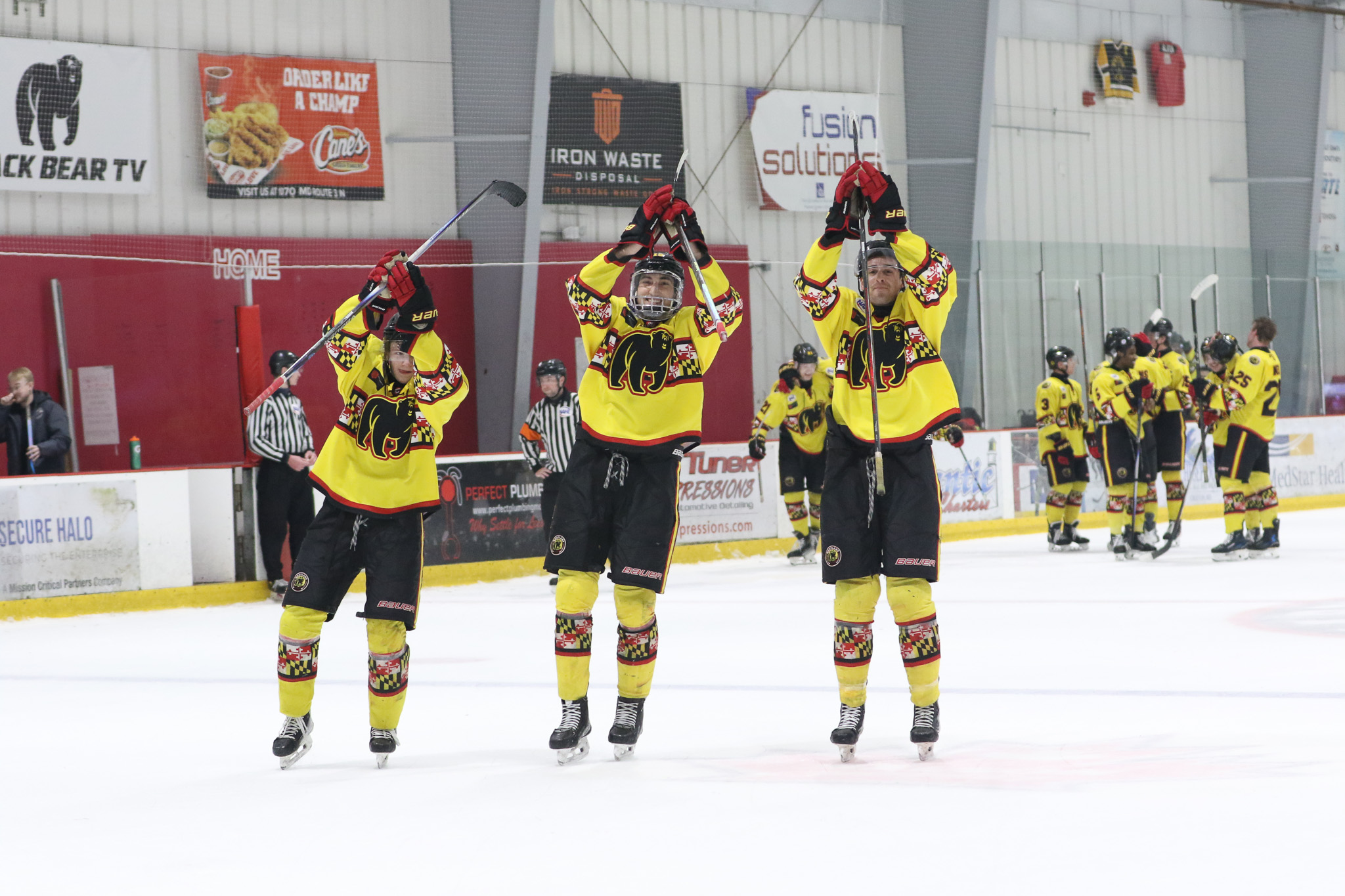
The Maryland Black Bears hosted the Johnstown Tomahawks for the second time this season as they looked to build off of a 1-0 win over the Maine Nordiques last Saturday.

The Black Bears decided to start the scoring early and often, striking thrice in the first period en route to a 5-2 win over Johnstown.

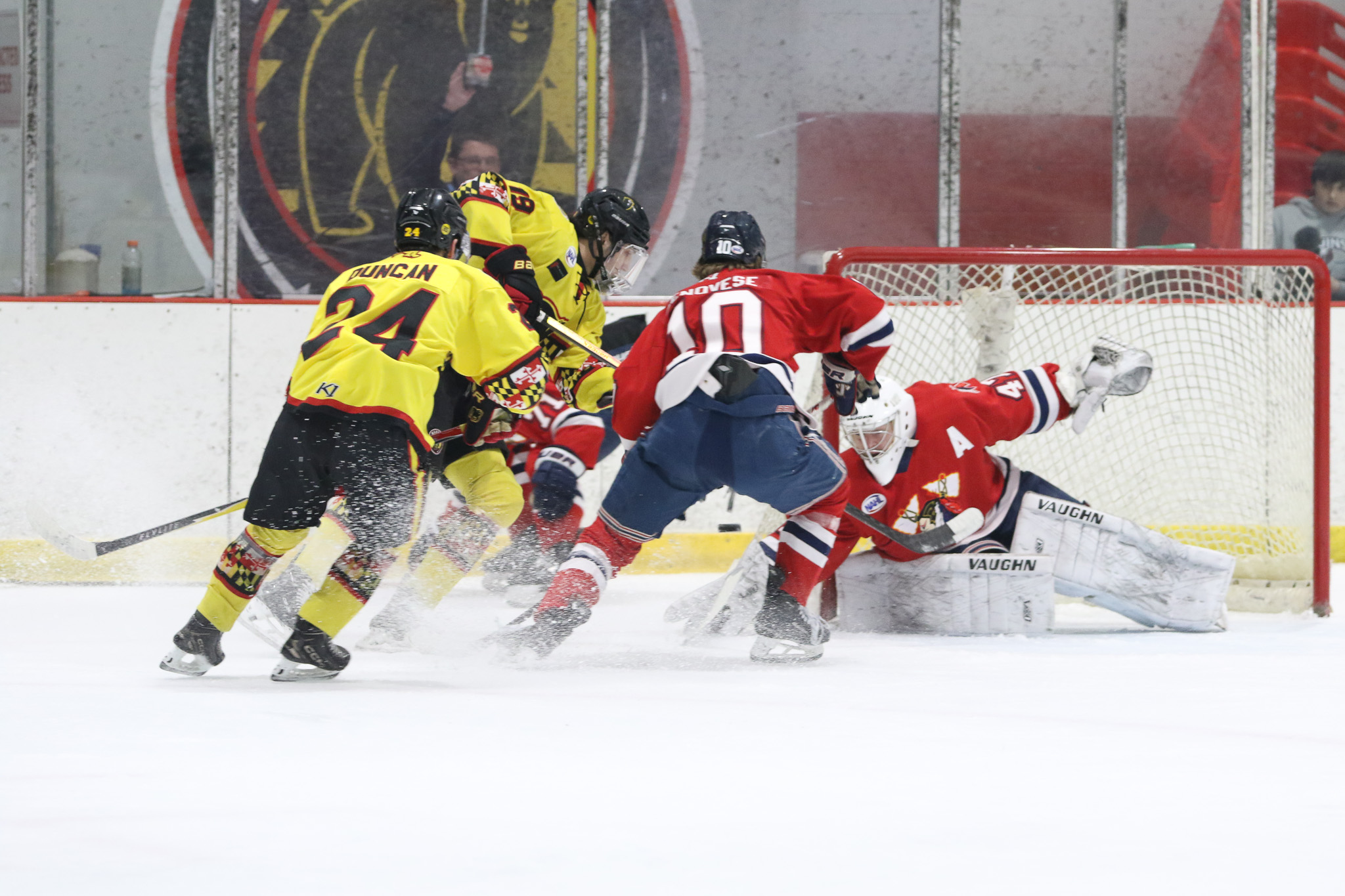
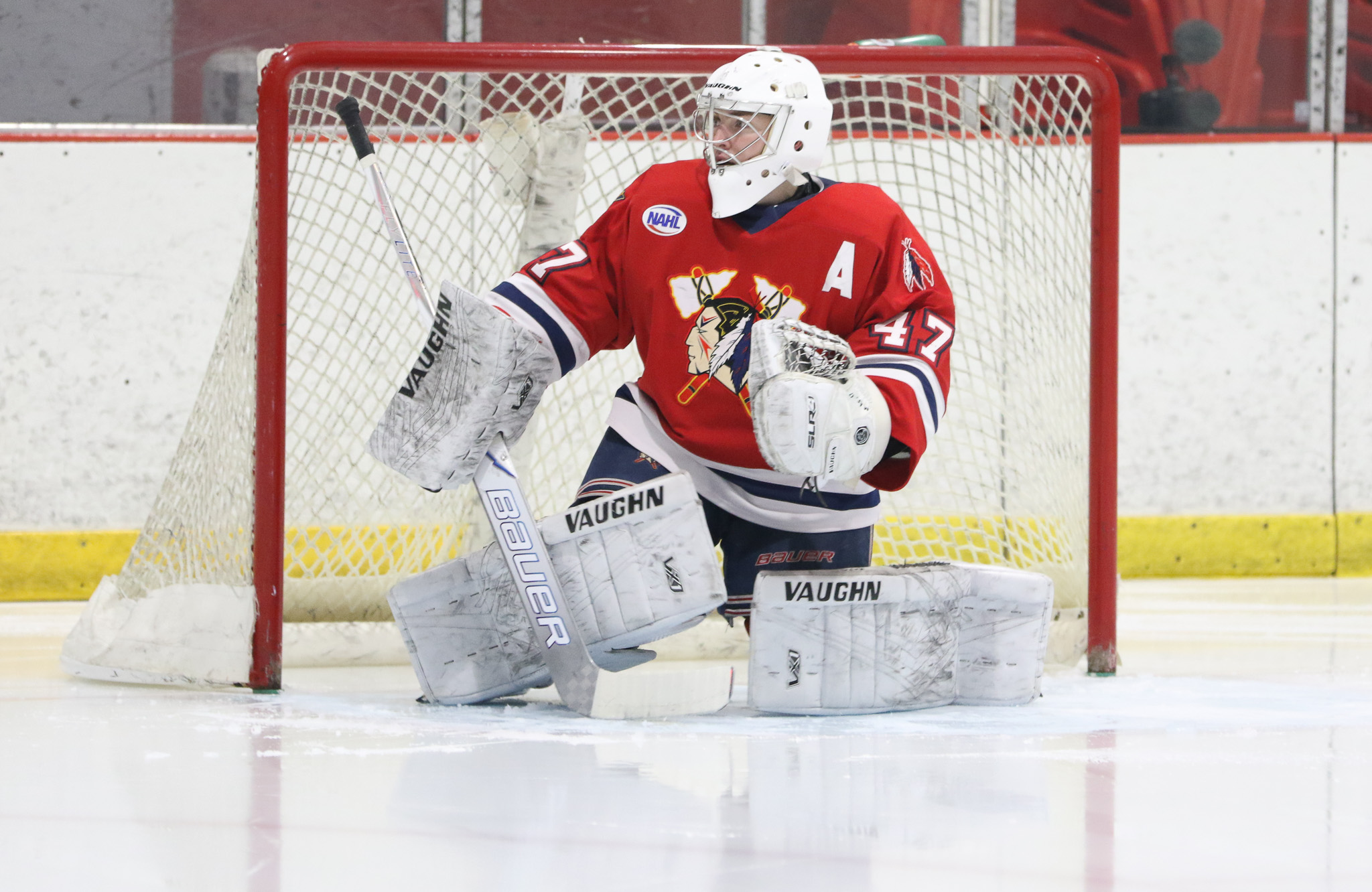
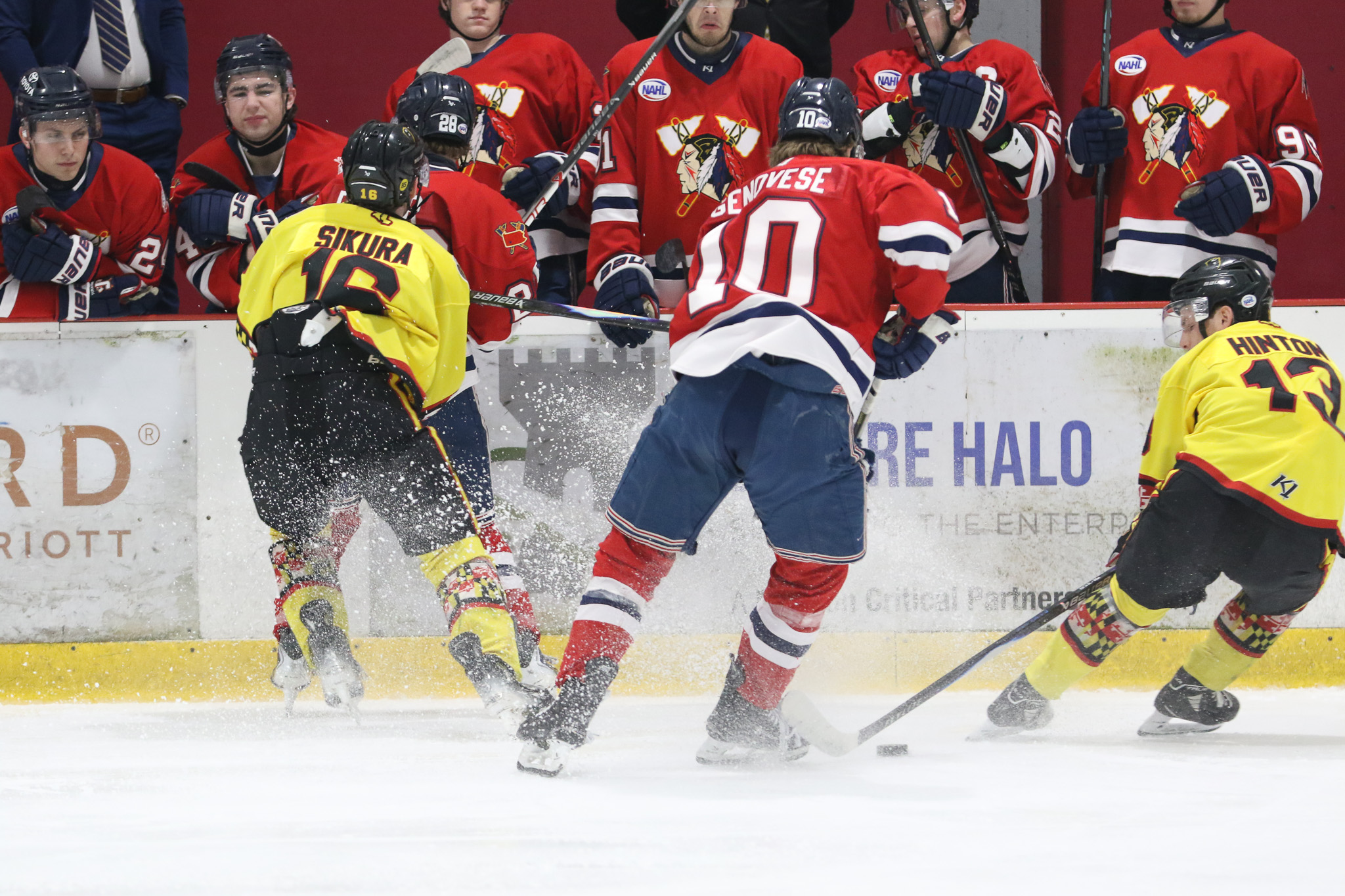
Forward Harrison Smith started the scoring for Maryland with two first period goals for a 2-0 lead. Less than a minute later, Black Bears’ forward Jaden Sikura got the puck alone in front of the net and deked to his backhand past Johnstown Zach Ferris to make it 3-0. Johnstown responded early in the second with a rebound goal from Jack Genovese to cut the deficit to 3-1.

But the Black Bears would not be deterred, as less than five minutes later forward and captain Owen Drury put home a rebound on the near side of the net to make the score 4-1.

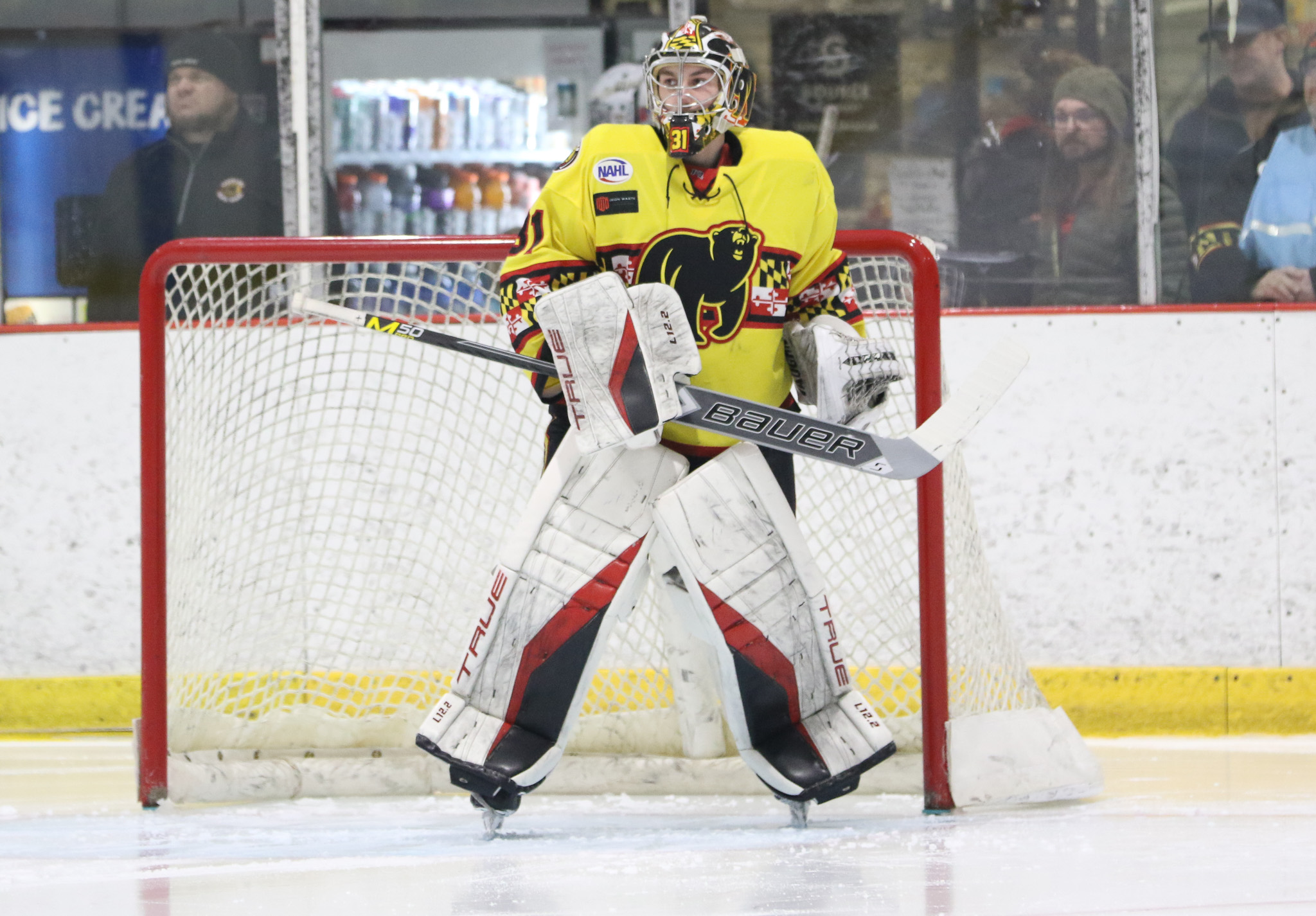
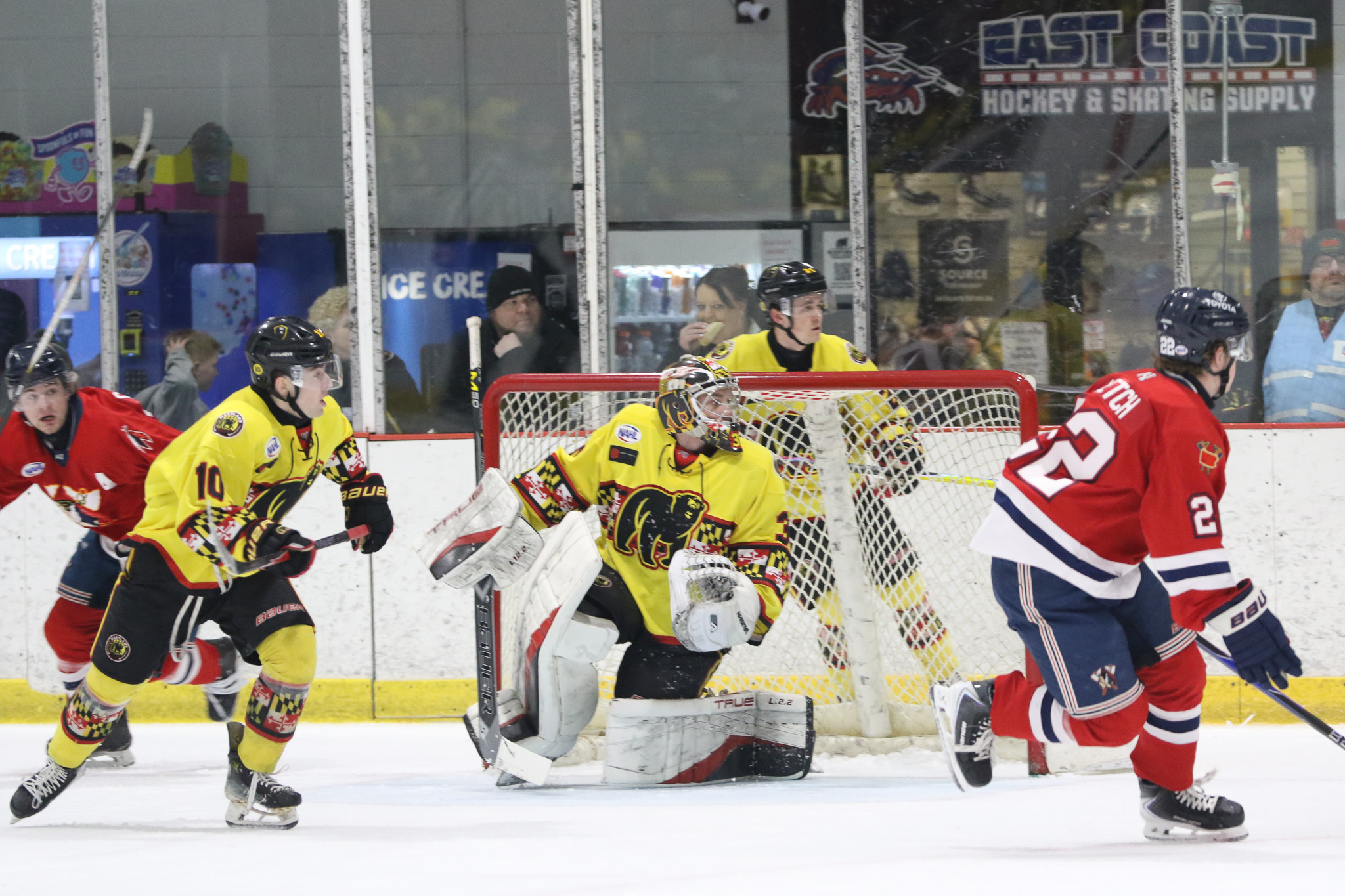
In the third period, Tomahawks’ forward Domeniks Domokejevs cut the lead to 4-2, but Maryland goaltender Ryan Denes made big saves down the stretch.

Black Bears’ forward Brady Anes iced the game with an empty net goal to make the final score 5-2.

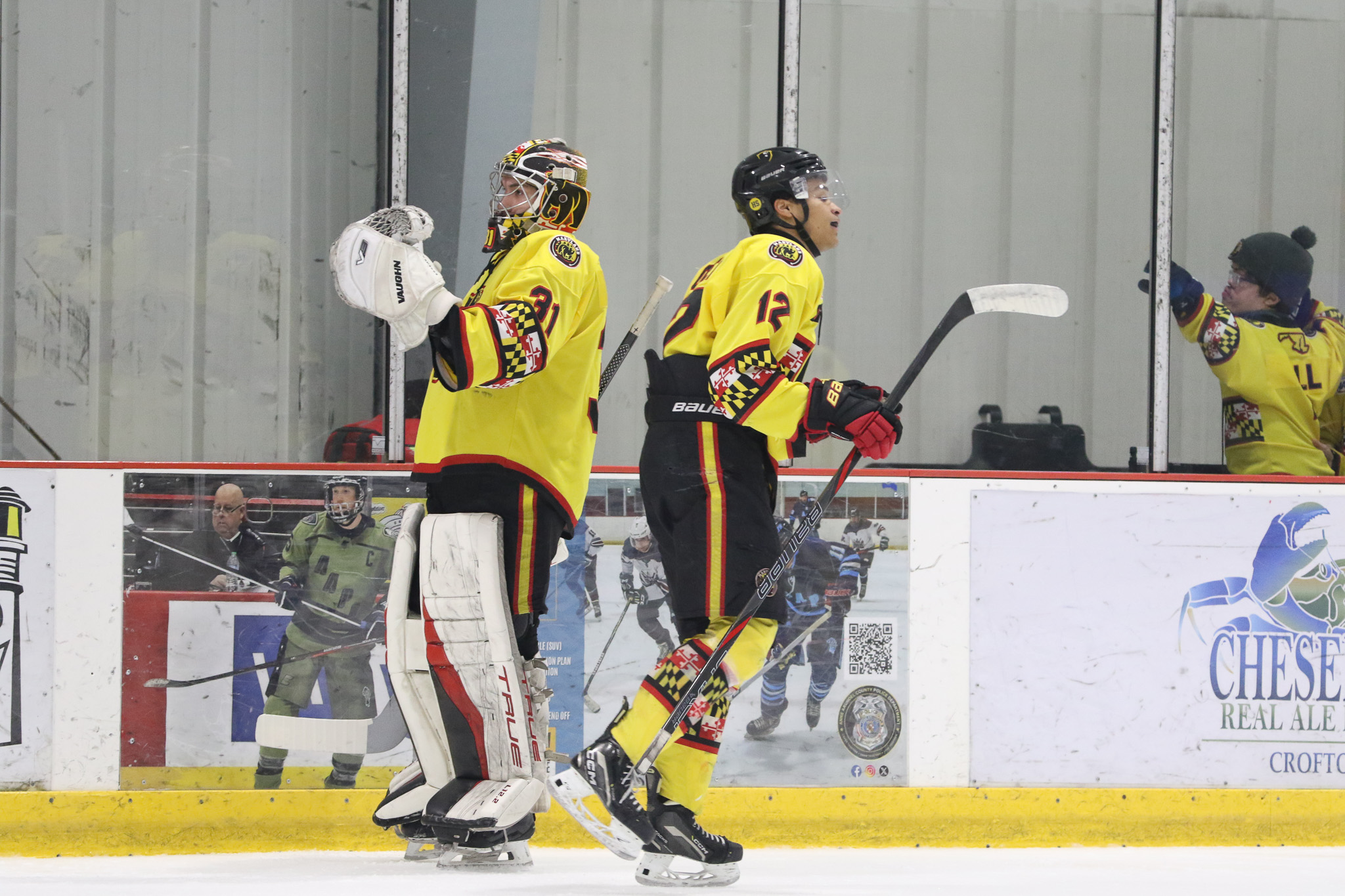
Ryan Denes made 17 saves in the win while Zach Ferris made 25 in the loss.

Maryland and Johnstown take the ice again on Saturday, February 7th, at 7:00 p.m. ET on Piney Orchard Ice Arena. All games can be streamed on NATV.

Match Report courtesy Maryland Black Bears


What Future Hockey Pros Should Study Beyond the Game

Most hockey players focus entirely on skating, shooting, and watching game tape. Smart ones study other stuff too. Business, communications, psychology – these prepare you for life after hockey ends at 35. The average NHL career lasts 5 years. That leaves decades where hockey knowledge alone won’t cut it.

Players who studied during their careers transition smoother to second jobs. They become GMs, broadcasters, business owners. The ones who only focus on hockey often struggle when they hang up the skates.

Handling Education While Training Full-Time

Young players training for pro careers handle demanding schedules that include both hockey development and education. You’re on ice twice daily, traveling for tournaments, and maintaining academic progress simultaneously. The workload builds when you’re pursuing serious education alongside elite hockey training.

Academic commitments pile up faster than you expect. Keeping everything organized becomes very critical. Sometimes people just search “can someone from EduBirdie do my homework” when managing heavy course loads during intense training periods. Getting aid with structure helps you keep your academic standing while you work on your hockey skills. Planning ahead makes sure that neither hockey nor schoolwork suffers. These talents for organizing things become important habits for work. Strong organization carries over to professional success long after college.

As a junior player, you learn how to balance different responsibilities. This will help you in the NHL, where you have to manage your time for media obligations, training, and games.

Why Business Matters

Understanding business helps during your career, not just after. Contract talks involve complex money terms. Salary cap rules affect team decisions. Players who get this stuff make smarter career choices.

Ryan Miller studied marketing at Michigan State while playing college hockey. That helped him evaluate endorsement deals and investment opportunities during his NHL years. He understood the business side better than guys who skipped class.

Communications Opens Broadcast Jobs

Broadcasting represents the most common post-hockey career for NHL guys. But not everyone makes it. The difference usually comes down to communication training.

Eddie Olczyk studied communications before his broadcast work. Ray Ferraro developed presentation skills through school. These guys explain complex hockey clearly to casual fans because they learned communication basics in class.

Playing experience gets you auditions. Communication skills get you hired and keep you working. Networks want analysts who both understand hockey and can talk clearly on camera.

Psychology and Leading Teams

Understanding human behavior helps in locker rooms and coaching. Sports psych courses teach motivation, team dynamics, and mental performance. This applies directly to leadership roles during and after playing.

Jonathan Toews studied psychology concepts that influenced how he captained teams. Understanding what drives teammates helps leaders get better results. These skills transfer directly to coaching after retirement.

Finance Protects Your Money

NHL players earn good money, according to research, but careers end young. Without financial education, many go broke fast. Stats show 15% of NHL players file bankruptcy within 12 years of their last game.

Finance courses teach investment strategies, tax planning, and protecting wealth. Players who understand compound interest and risk management keep their money. This matters more than most on-ice skills for long-term life quality.

What to Study

Different subjects offer specific benefits:

  • Business – Contract talks, team ownership, starting companies
  • Communications – Broadcasting, media work, public speaking
  • Sports Management – Front office jobs, player development, coaching admin
  • Finance – Investments, financial planning, business moves
  • Psychology – Leadership, coaching, team management
  • Marketing – Personal brand, endorsements, business promotion

Computer Skills and Analytics

Modern hockey runs on data. Teams hire analytics people who use stats and tracking to evaluate players and tactics. Understanding data analysis helps you grasp your role better and makes you valuable for front office jobs after playing.

Players comfortable with spreadsheets adapt faster to analytics-based coaching. This knowledge also creates opportunities in hockey tech companies developing training tools and performance tracking.

Career Paths After Hockey

Education Where It Leads Examples
Business Team execs, entrepreneurs Shanahan, Miller
Communications Broadcasting, media Olczyk, Ferraro
Law Player agents, league work Dryden
Sports Management Coaching, front office Various players
Finance Investment advice, wealth mgmt Several retired pros

Legal Education for Agents

Some ex-players become agents or work in player representation. Legal education helps them negotiate contracts, understand collective bargaining, and handle arbitration. This protects clients and builds successful post-playing businesses.

Ken Dryden earned his law degree while playing goal for Montreal. He later used that in various roles including negotiations and league governance. His legal background gave him edges other players lacked.

Teaching Degrees for Coaches

Players interested in coaching benefit from education degrees that teach how people learn. Understanding learning theory helps coaches teach skills more effectively.

Many successful coaches studied education before or after playing. They apply teaching principles to hockey instruction, making them better than coaches who only rely on playing experience.

When to Get Educated

Some players finish degrees during careers through online programs or summer classes. Others wait until retirement. Both work depending on your situation.

Current players often take one or two classes per semester. This slow progress eventually gets you a degree. Key is starting early because finishing takes years even at reduced loads.

Retired players often go full-time once careers end. They complete degrees in 2-4 years and immediately use that education in second careers. This works well for players who saved money during their careers.

Real Results

Former NHL players with education work in diverse fields beyond coaching and broadcasting. Some become doctors, lawyers, financial advisors, or execs. Their discipline from hockey translates well to demanding jobs.

Brendan Shanahan got his degree and became president of the Maple Leafs. His mix of playing experience and business education made him effective in that role. Education opened doors playing alone wouldn’t have.

Starting in Juniors

Players serious about education should start during junior hockey. Taking courses while playing juniors builds good habits and gets degree progress rolling. Even finishing basic requirements during these years helps.

Many junior leagues now offer education packages that fund post-secondary school. Players who use these programs set themselves up better than those who ignore education.

Conclusion

Future pros should study subjects that prepare them for life after playing. Business, communications, finance, and psychology all offer real benefits during and after NHL careers. Starting early, even one course at a time, creates options when playing ends. Smart players know their hockey careers represent just the start of their working lives, not the whole thing.

Photo Credit: Bill.Kober@prohockeynews.com 

Rochester Defeats Maryland

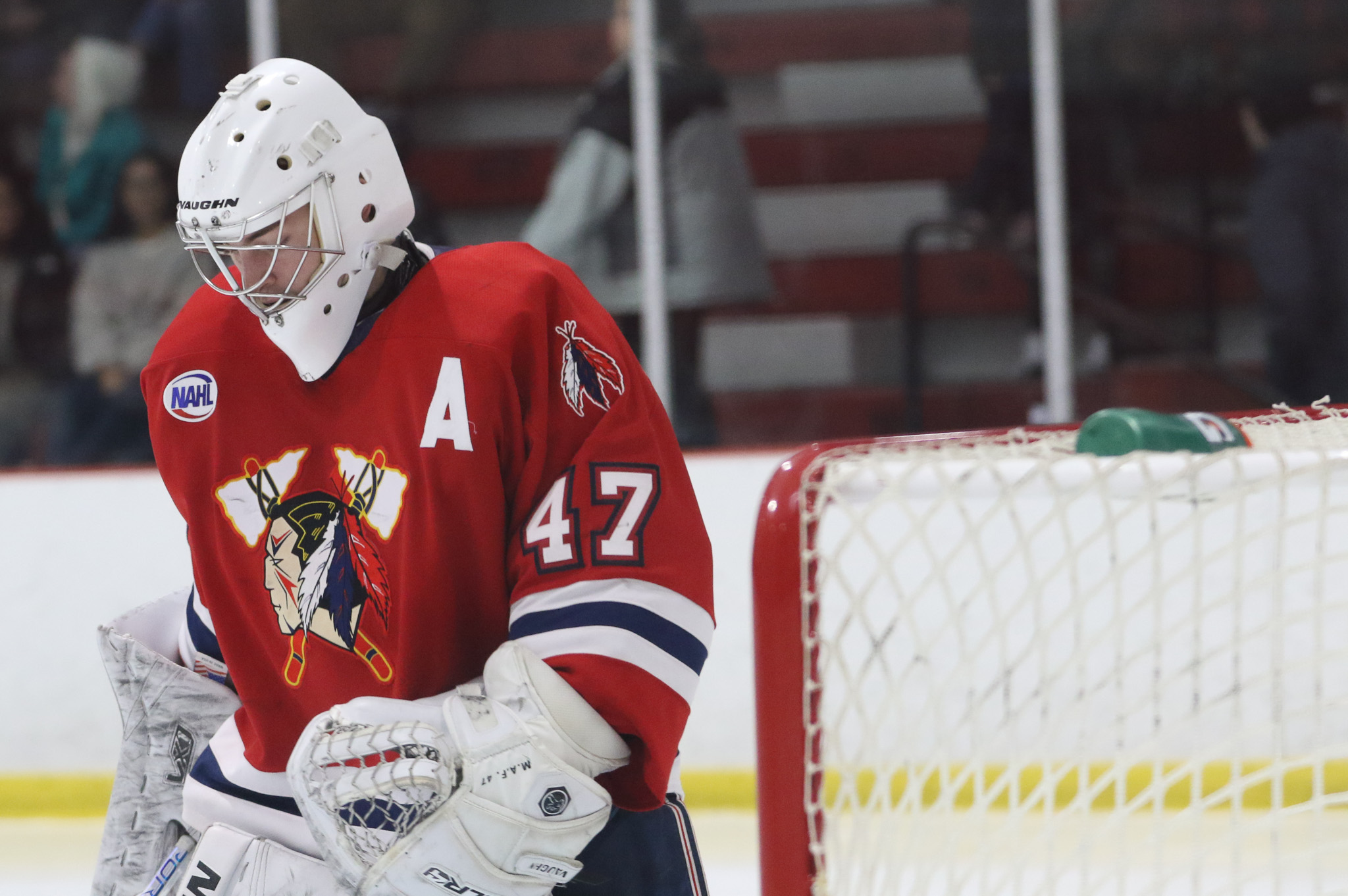
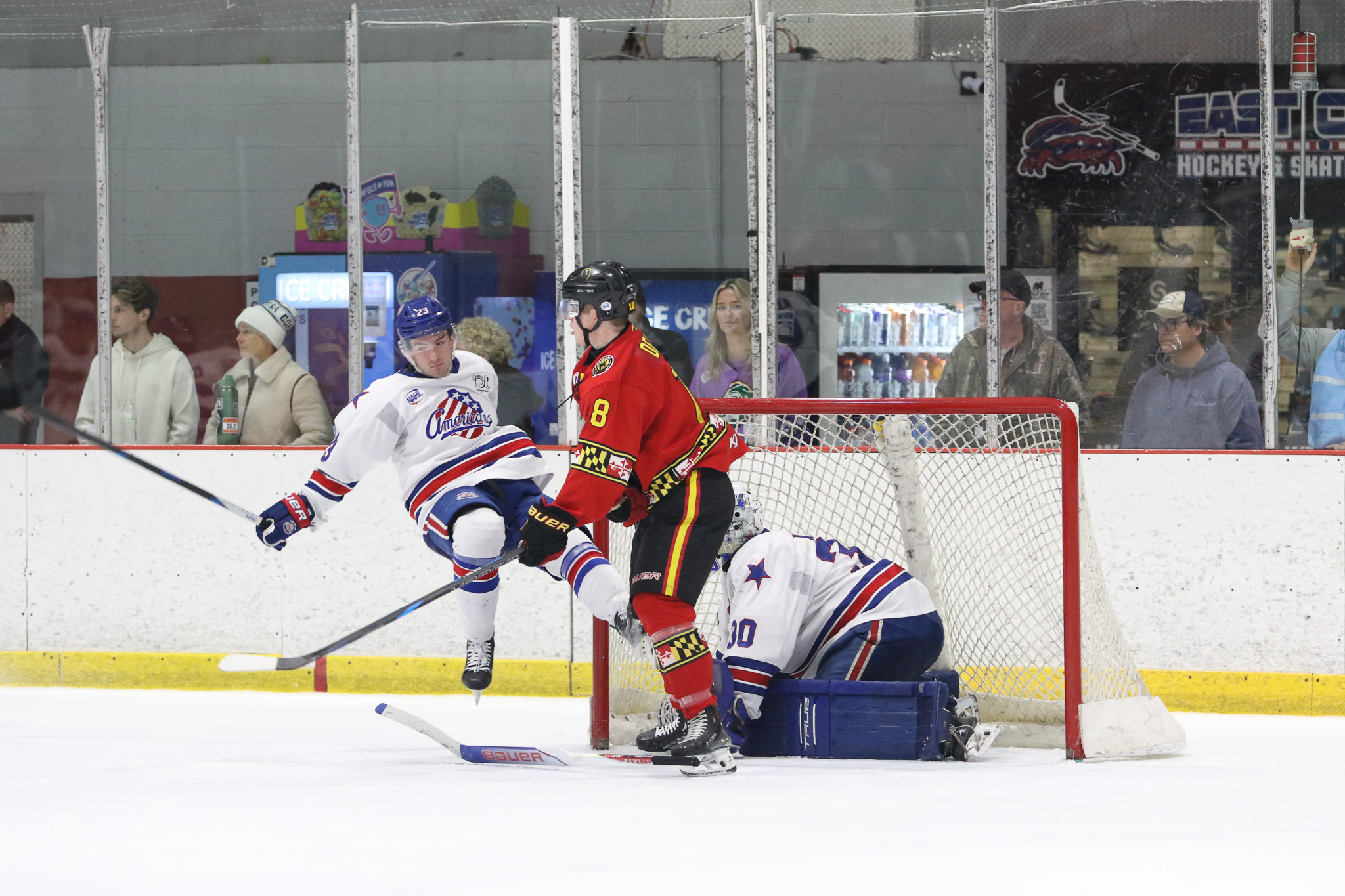
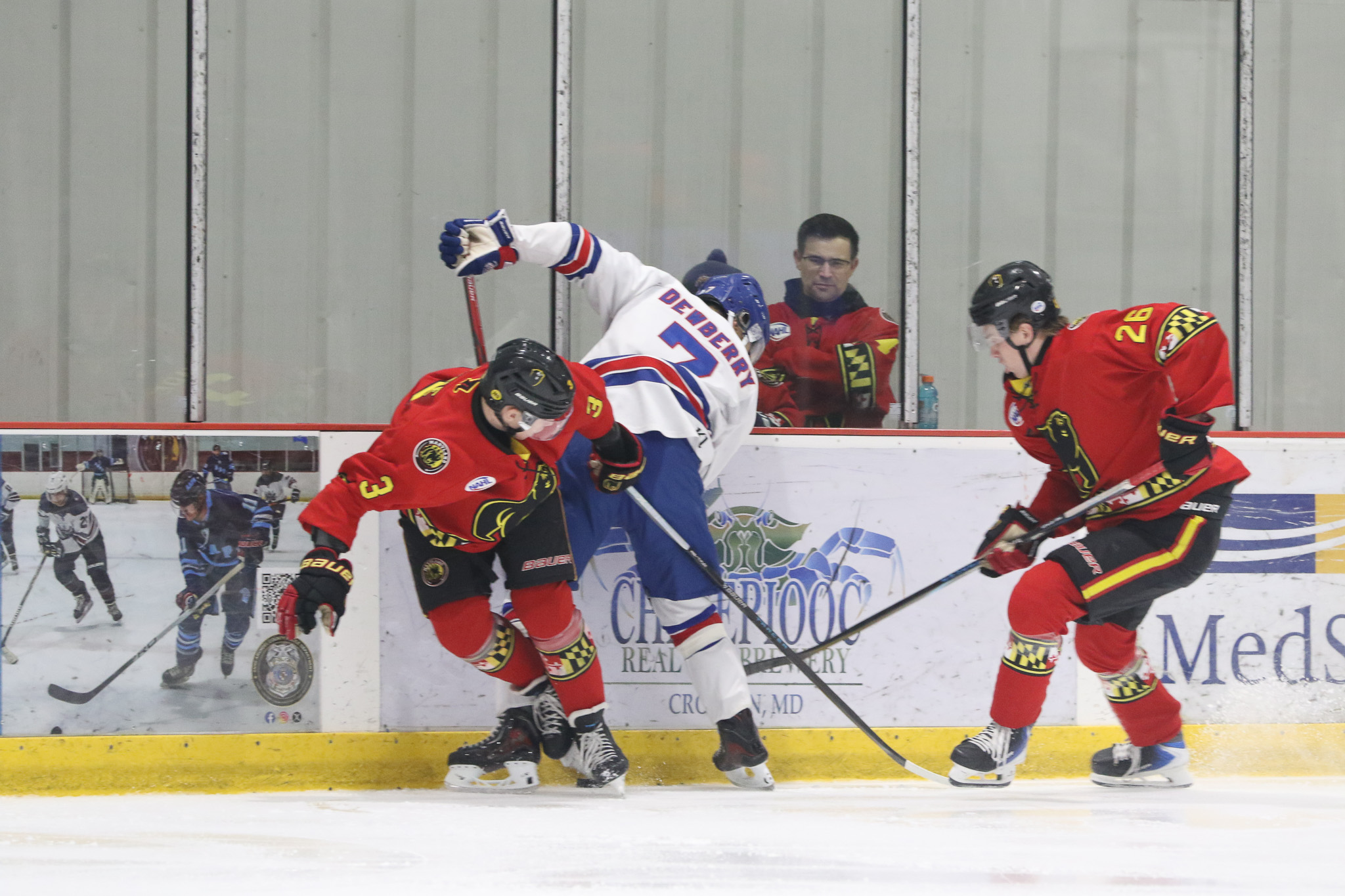
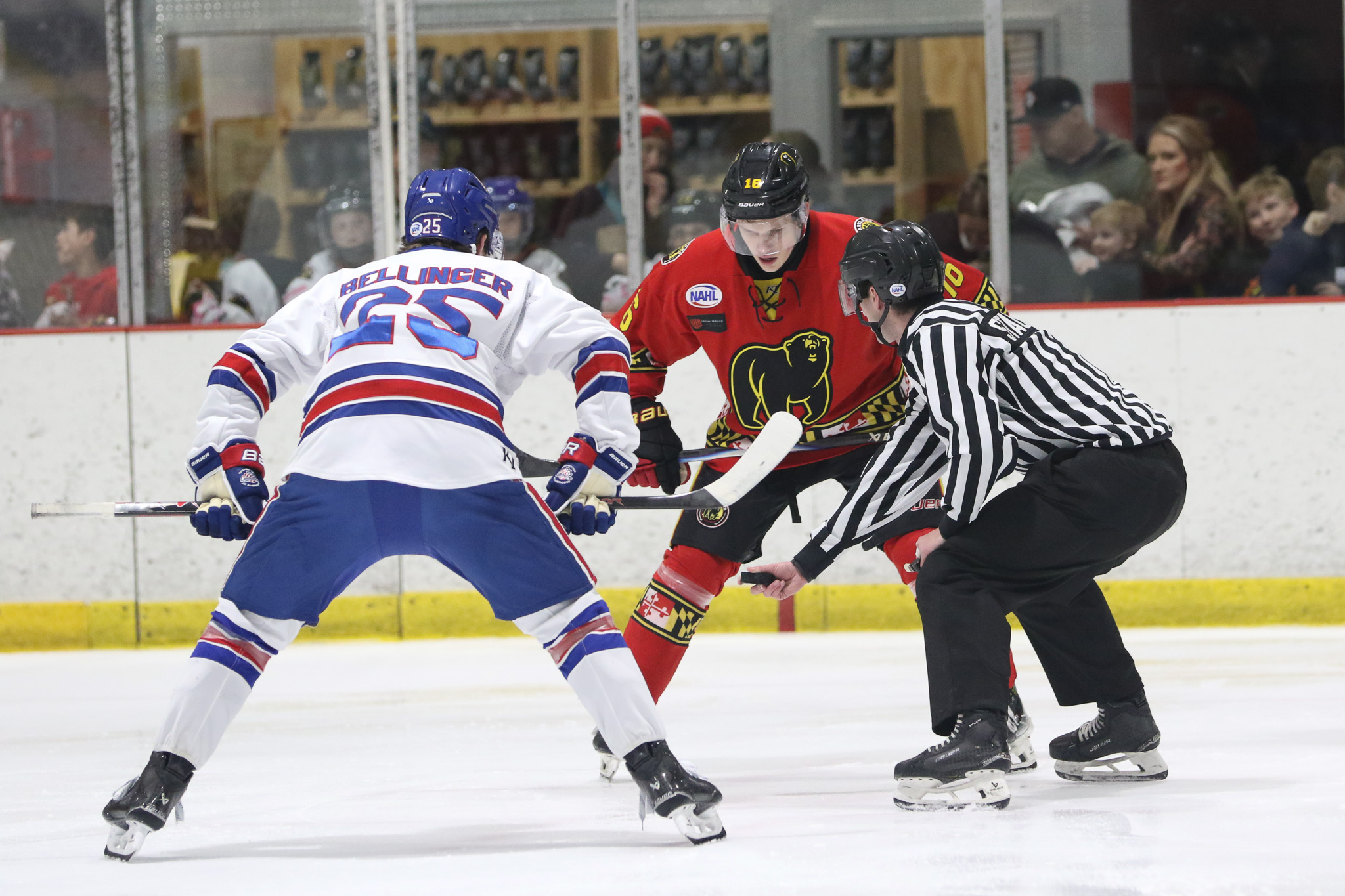
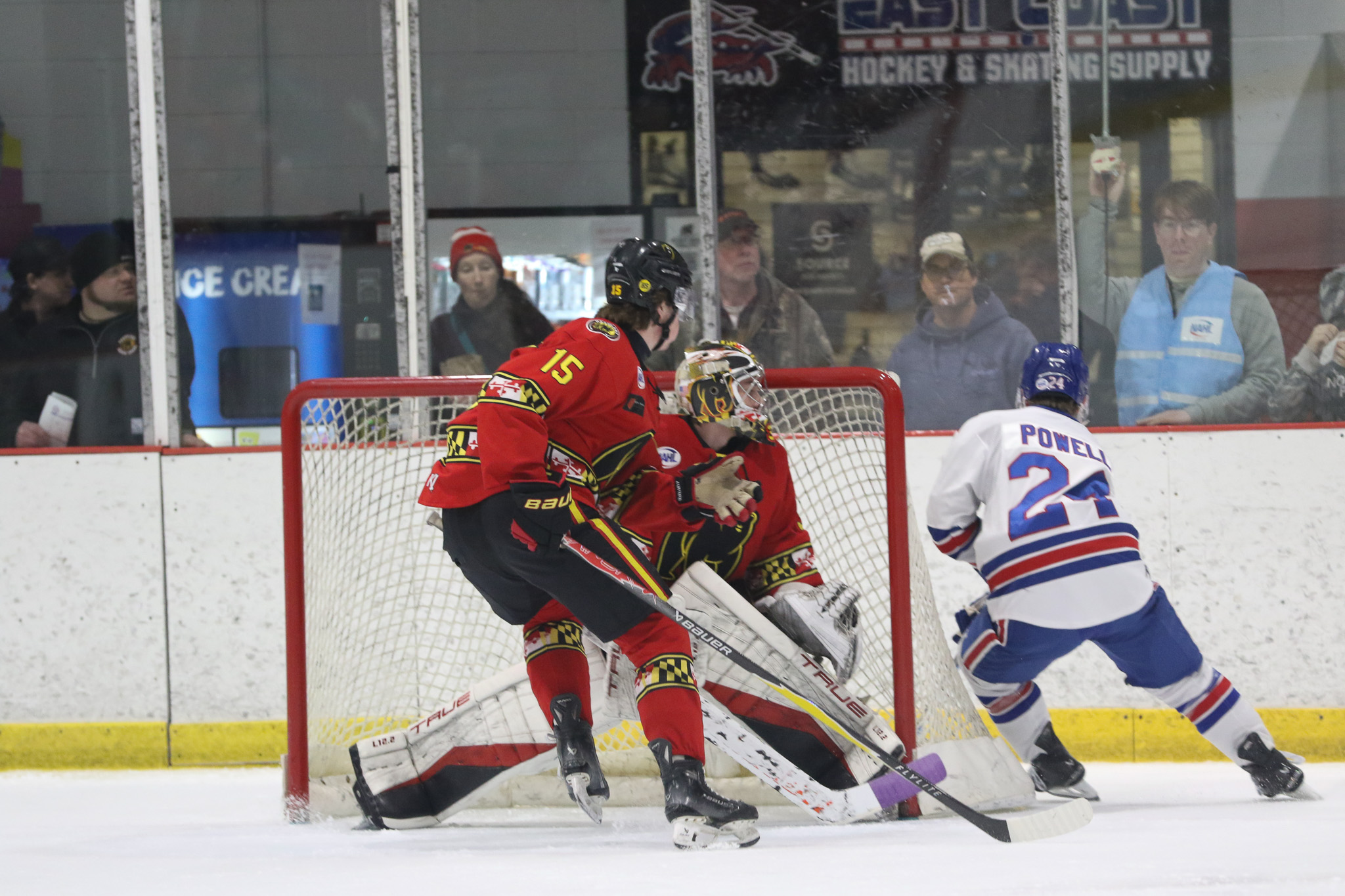
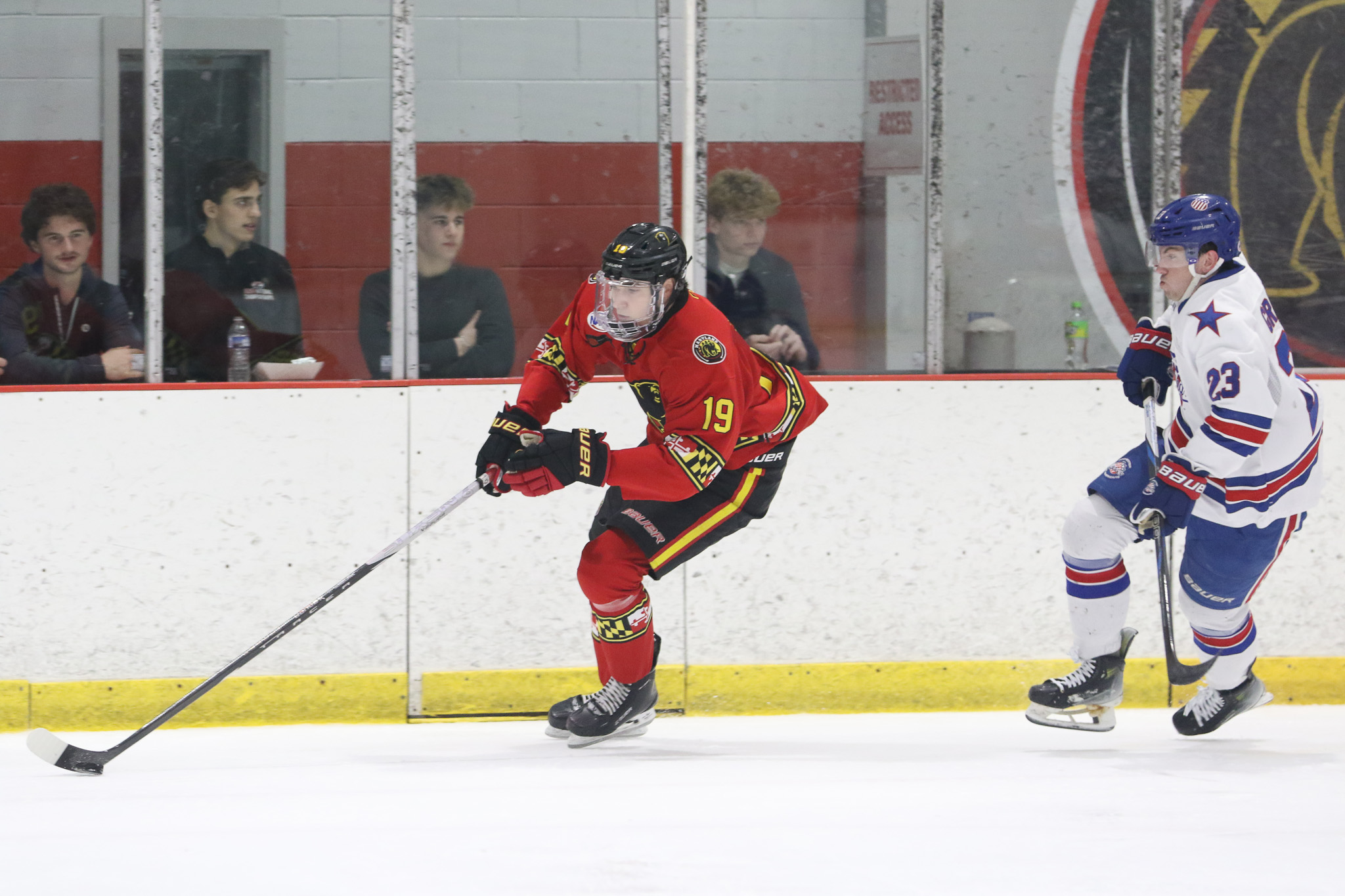
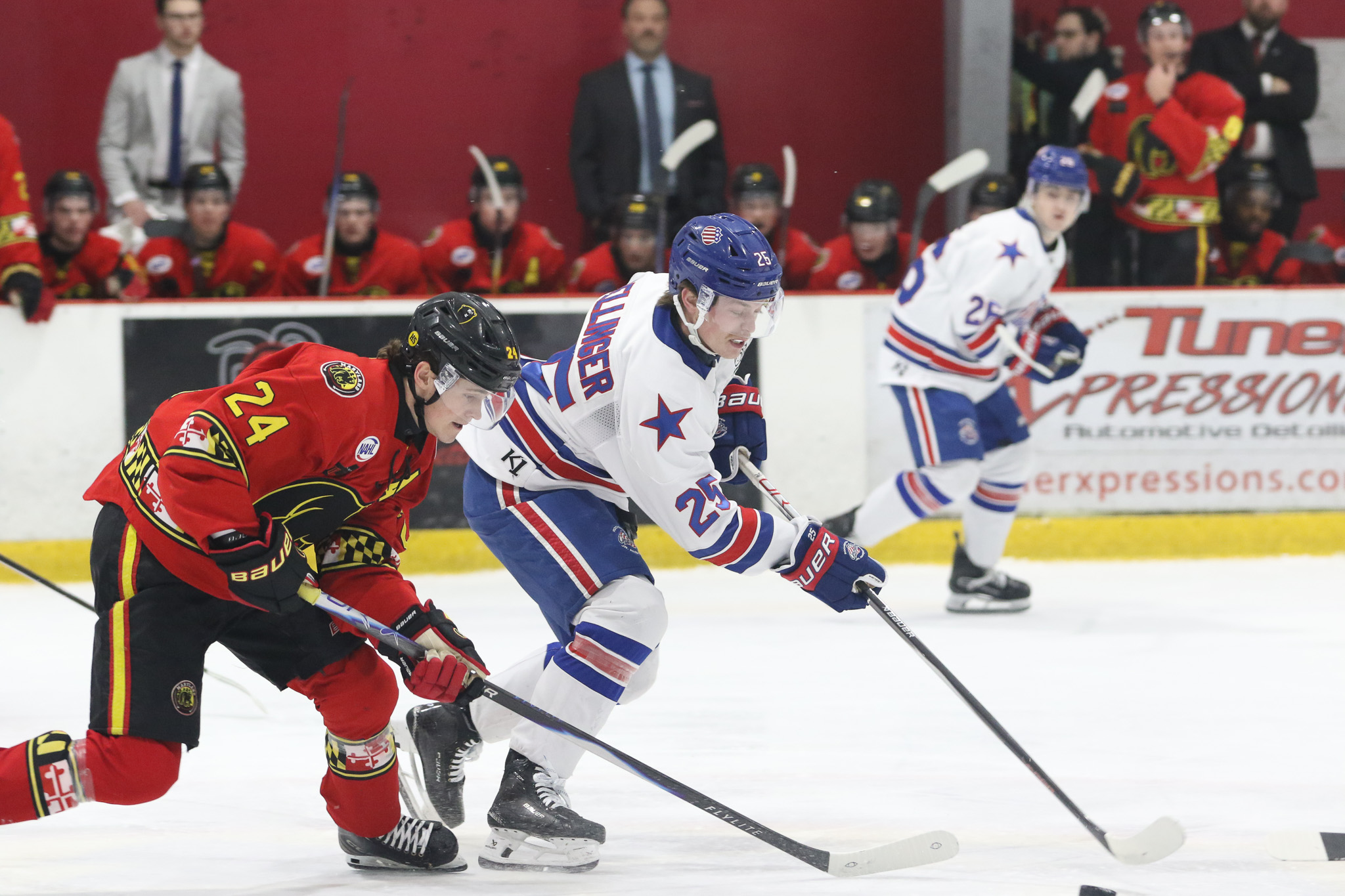
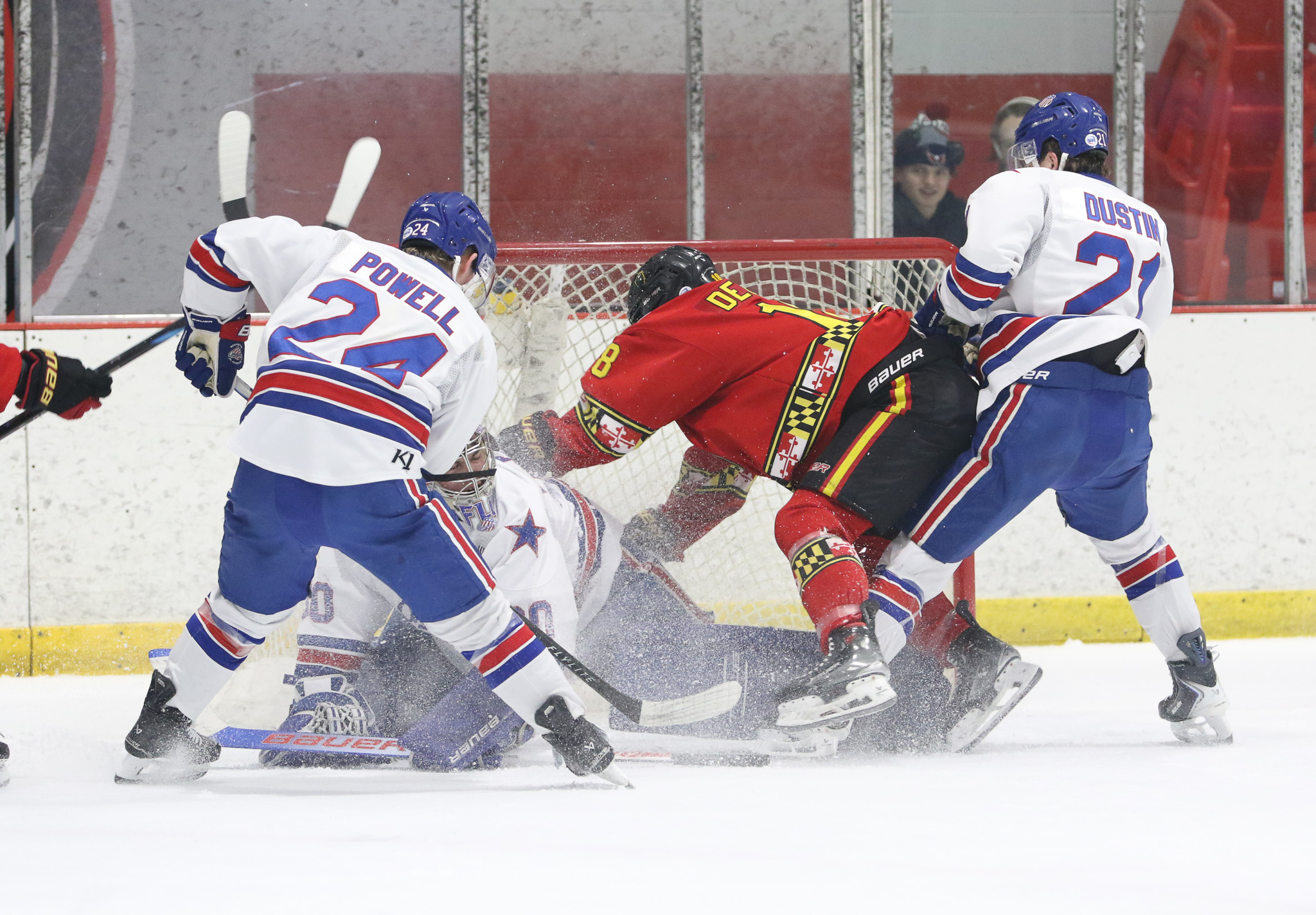
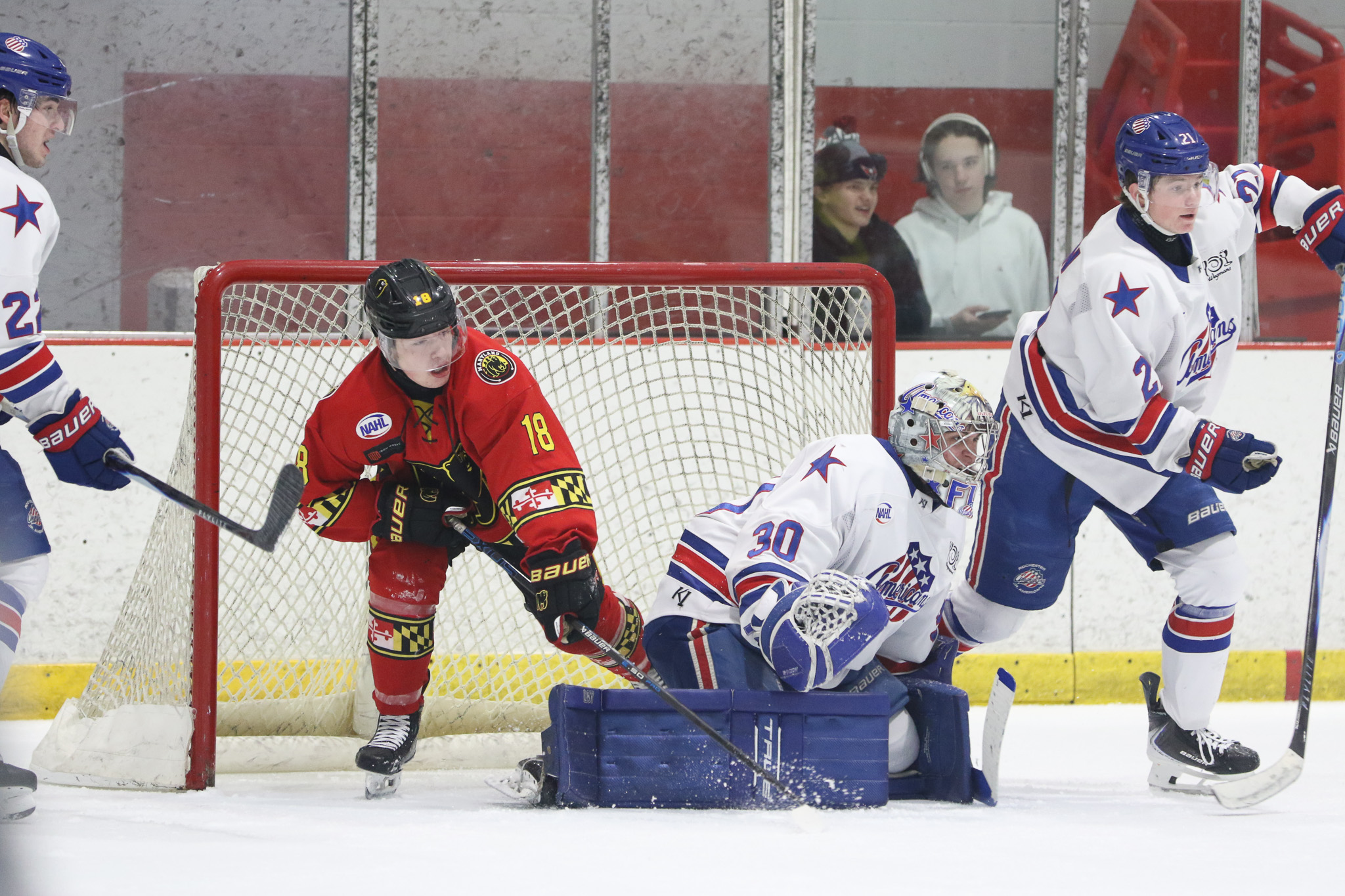
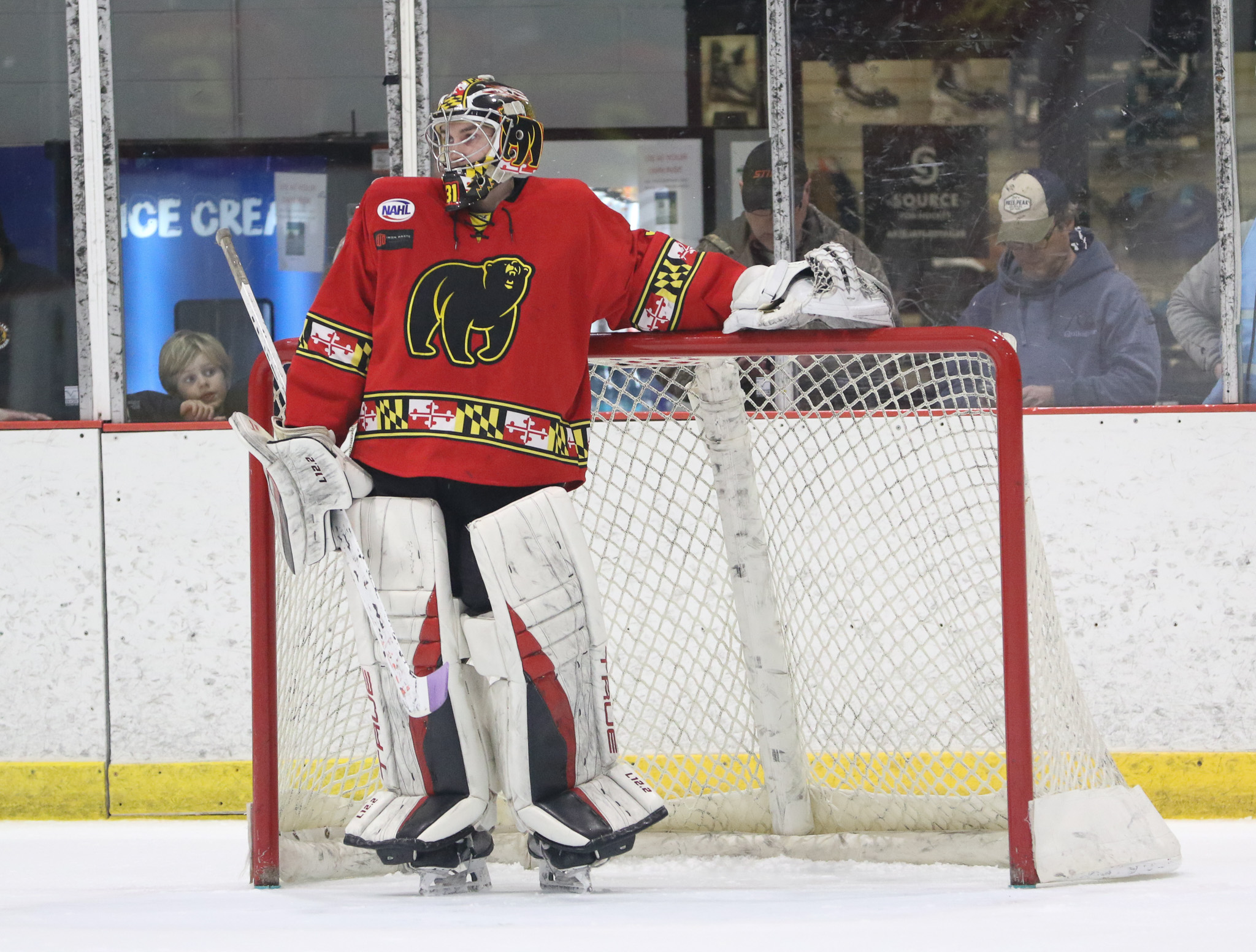
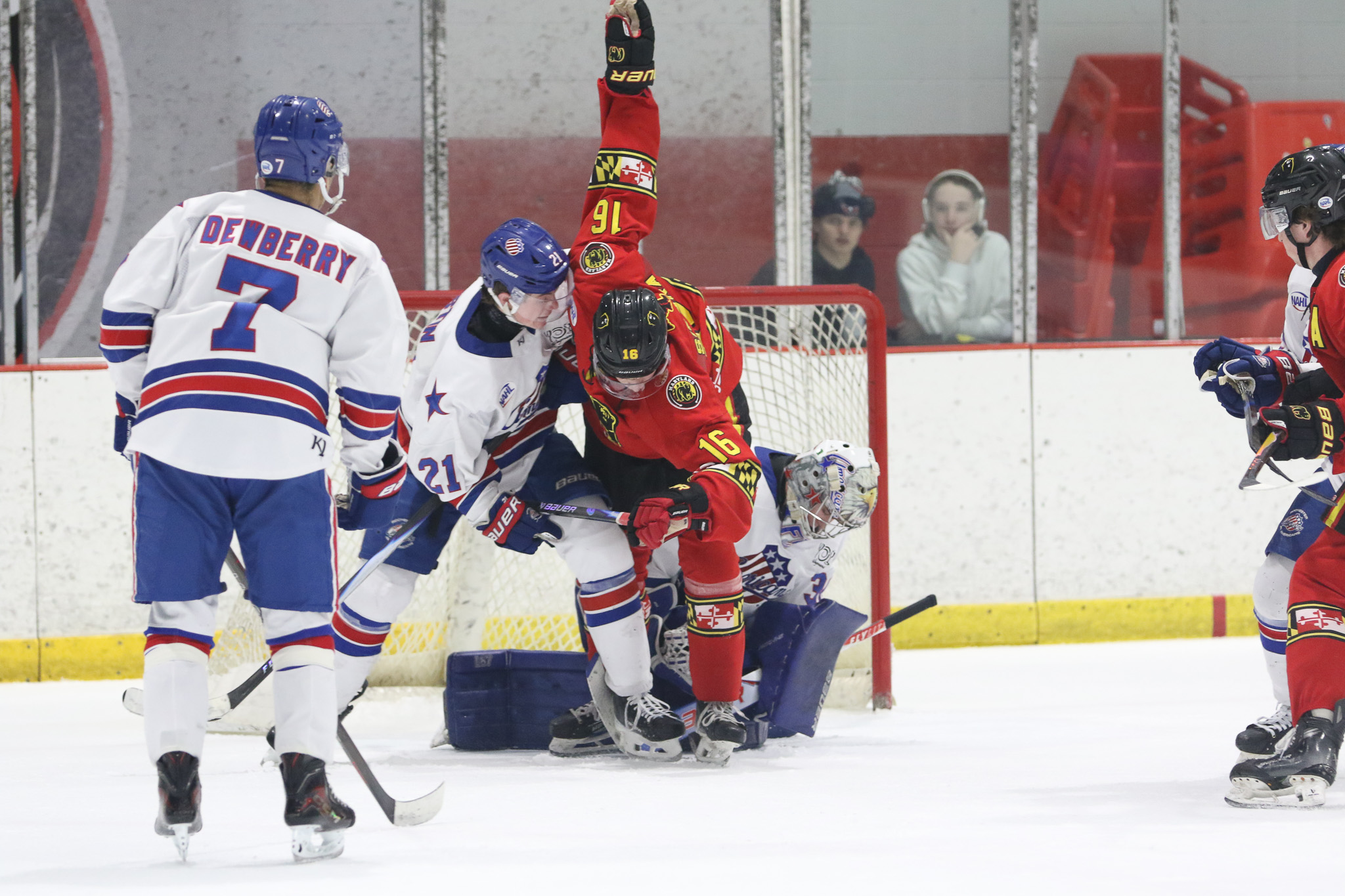
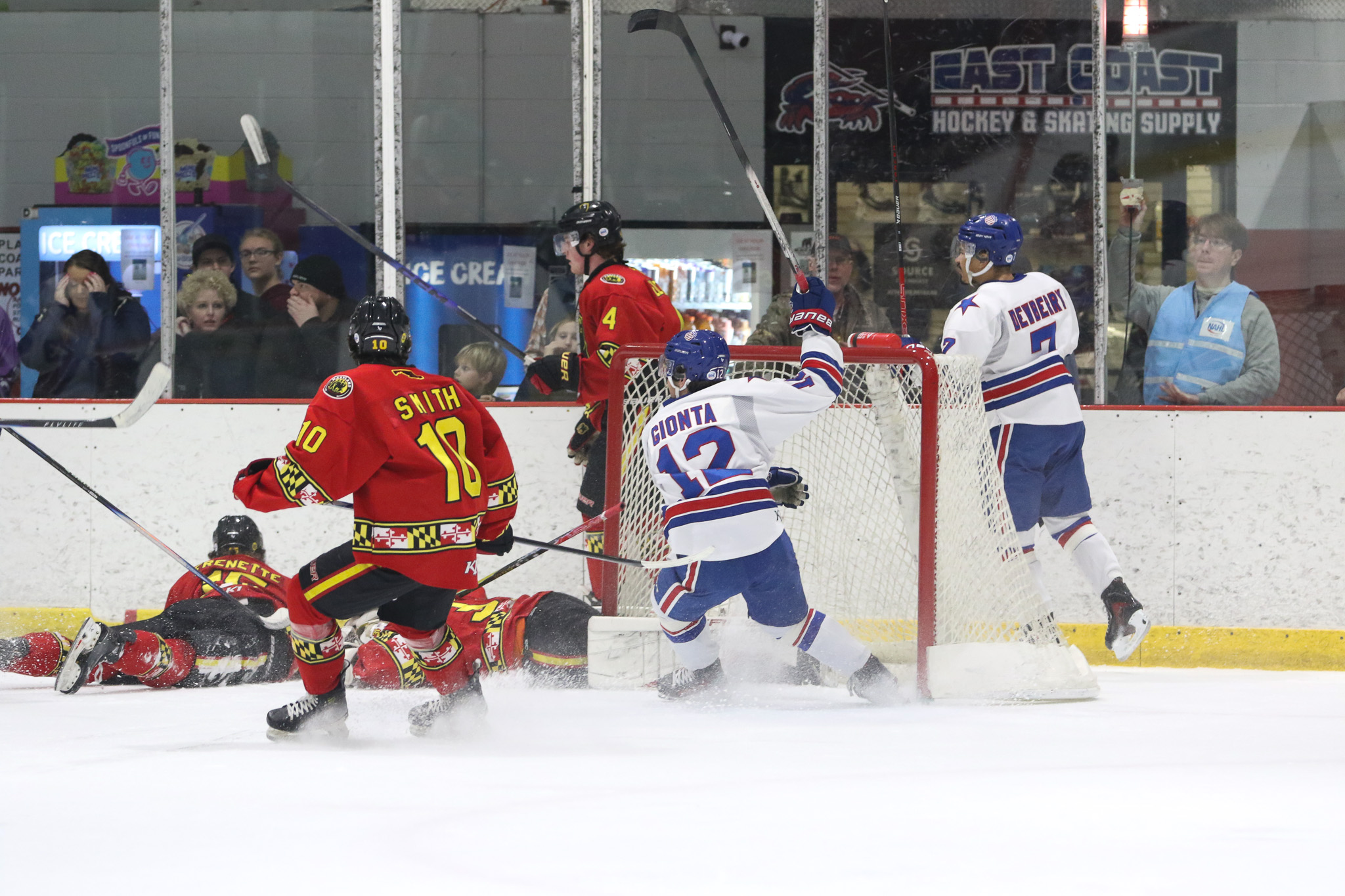
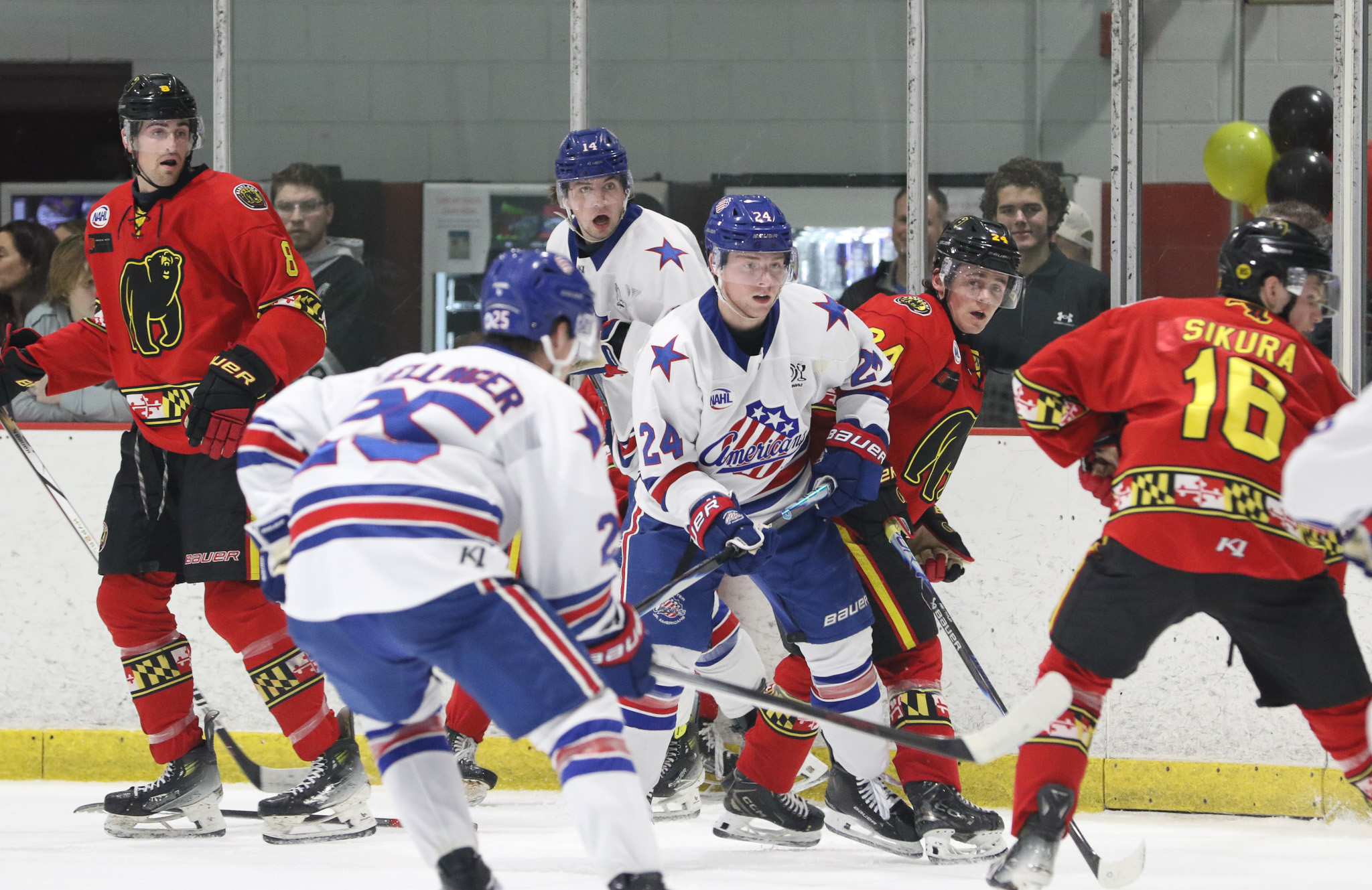
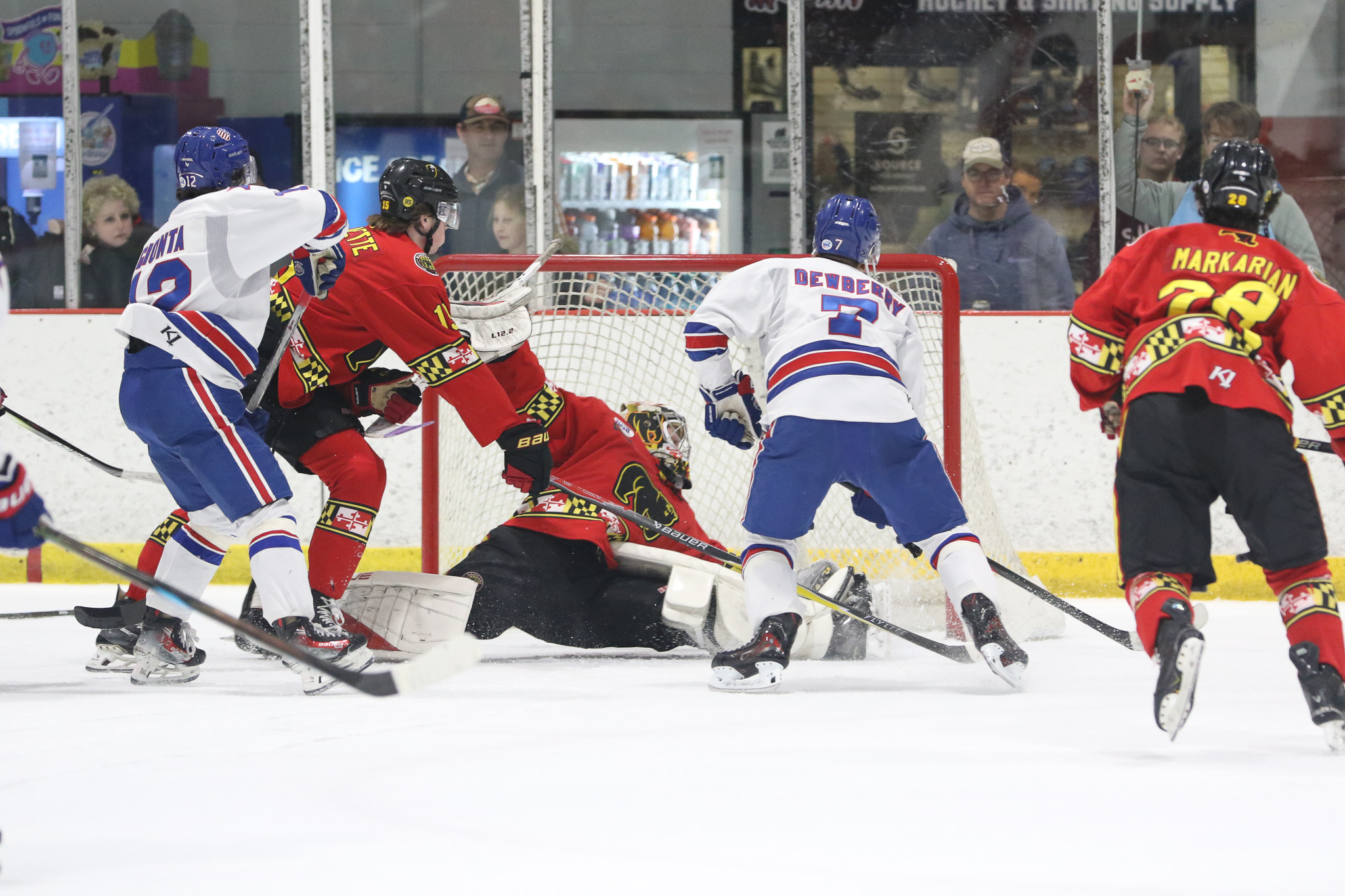
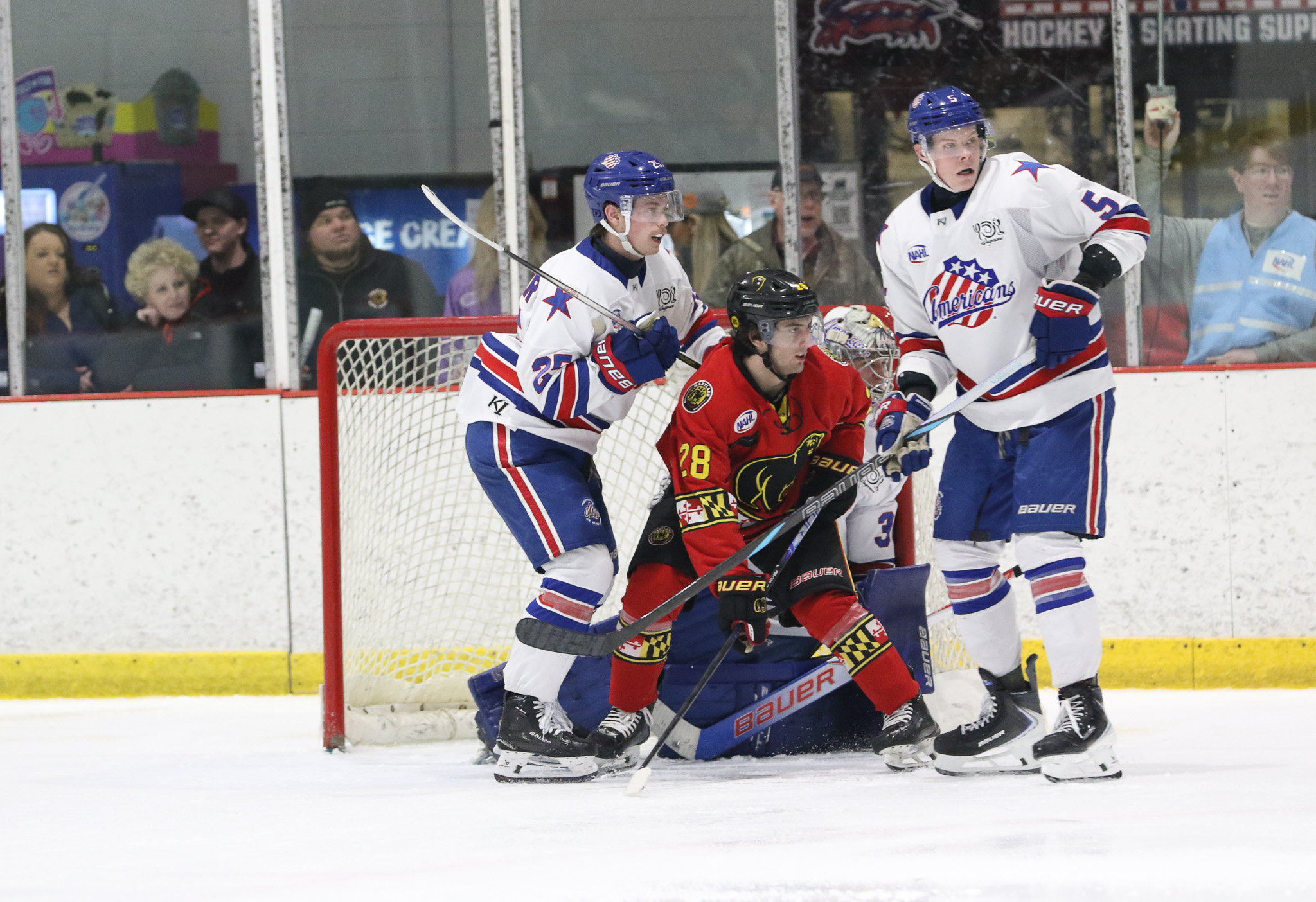
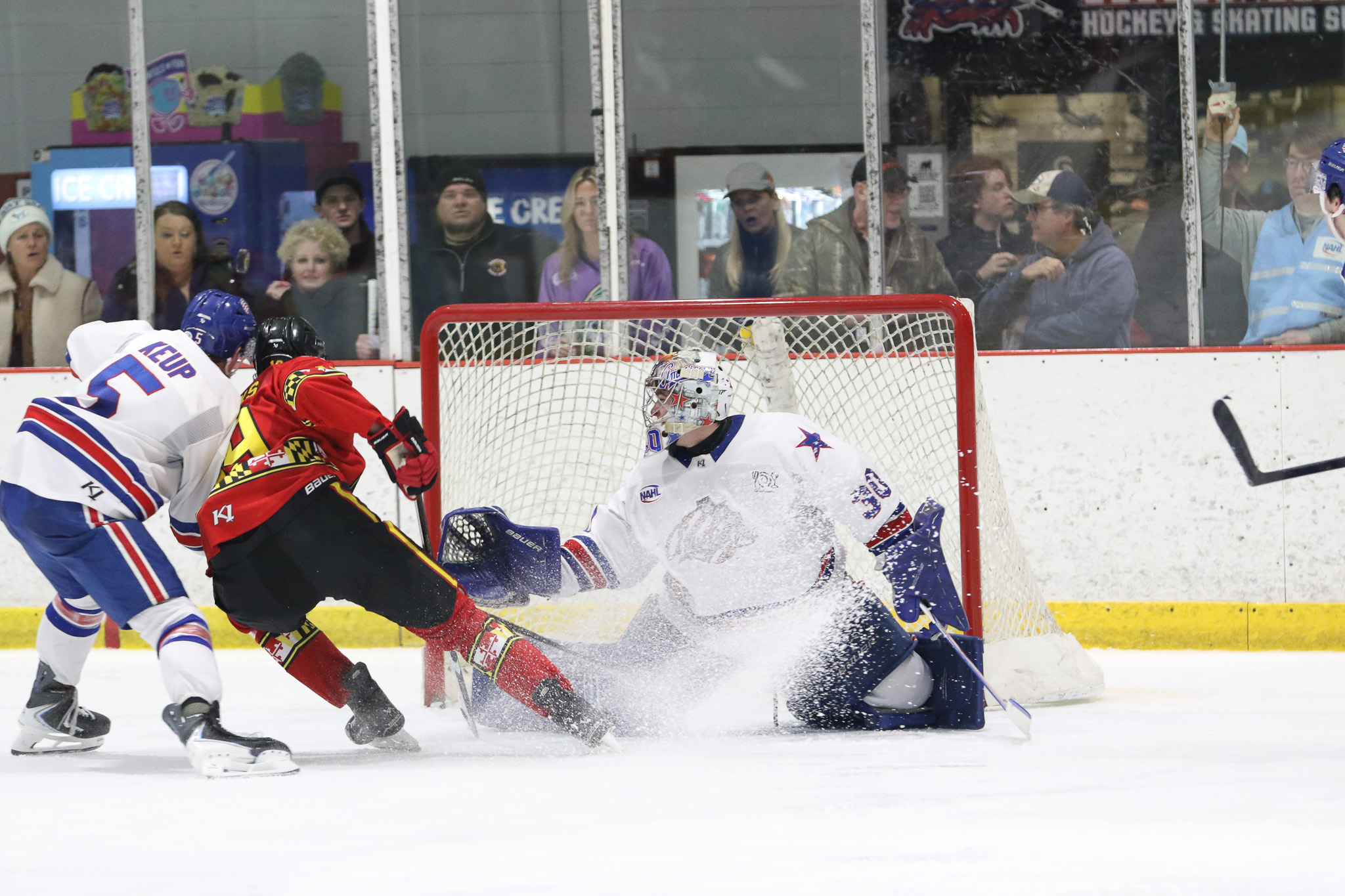
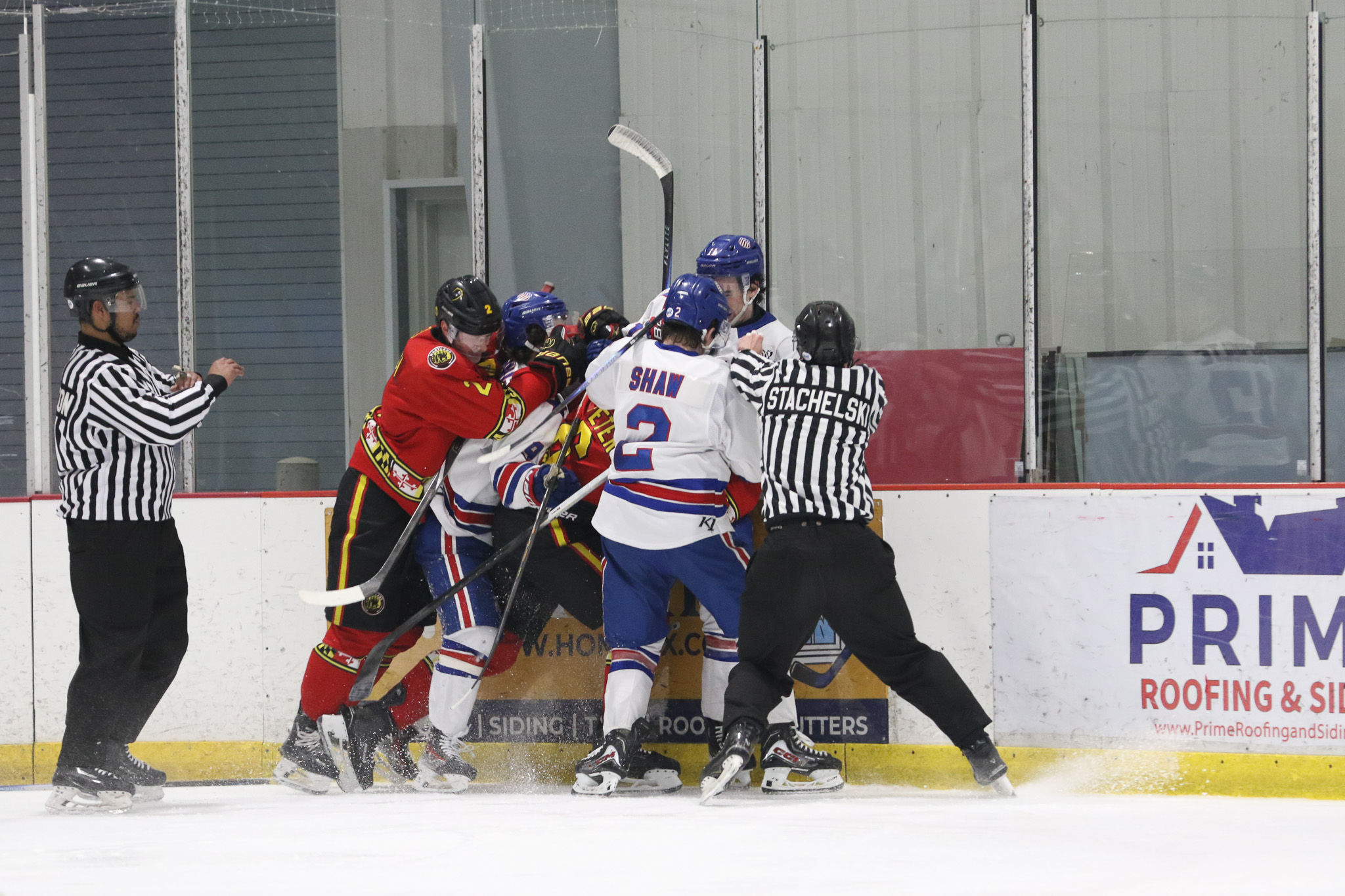
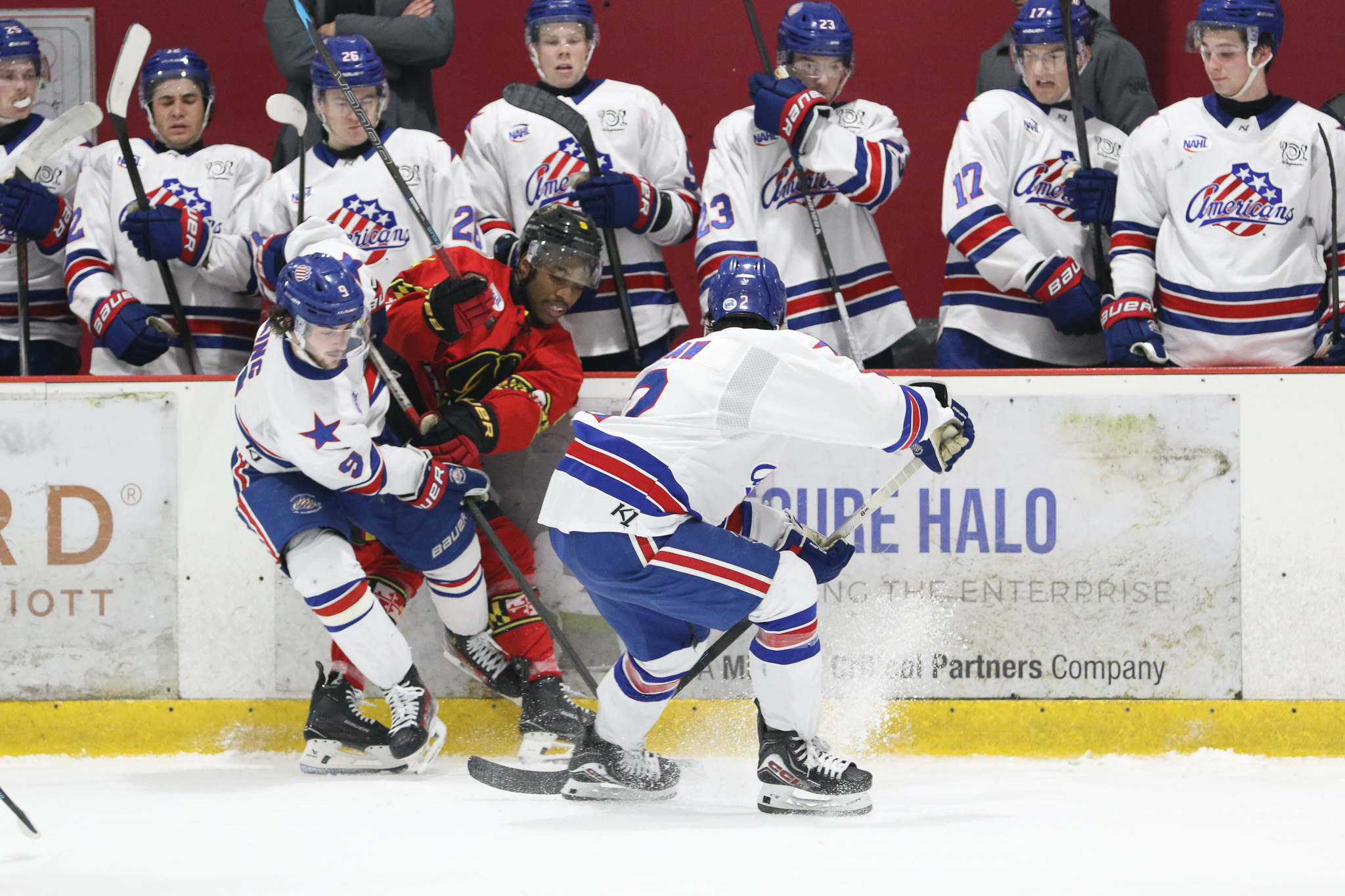
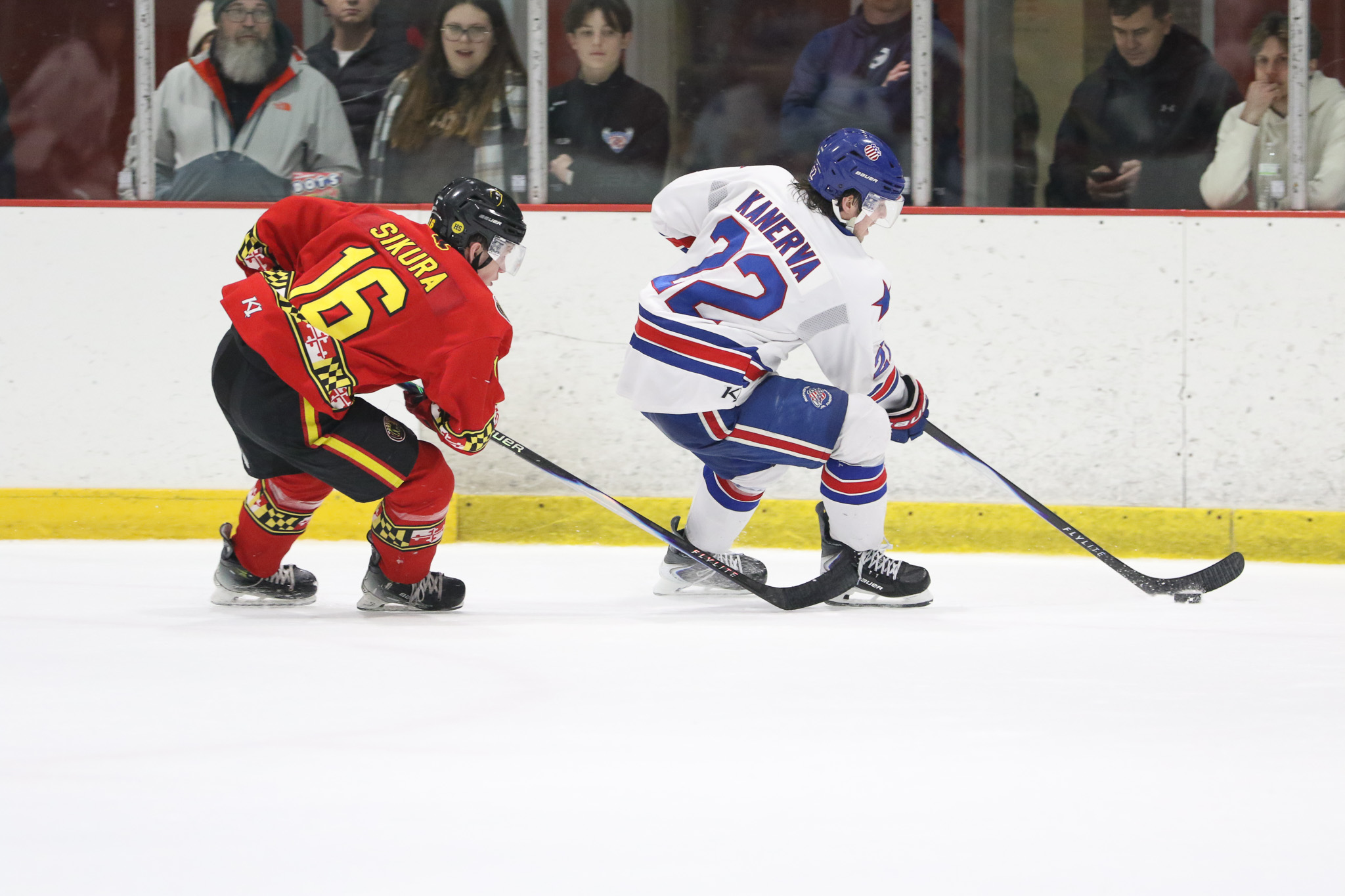
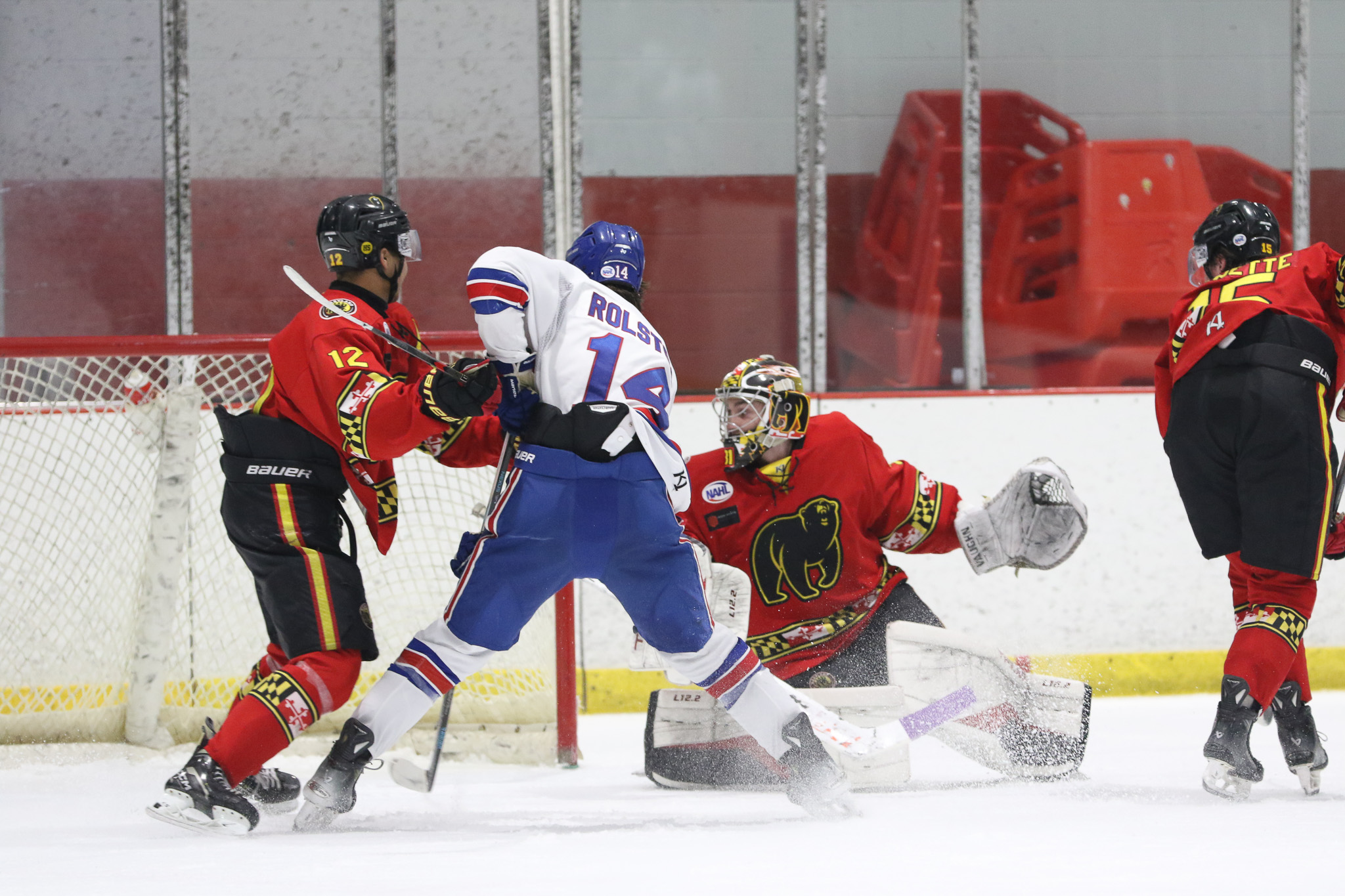
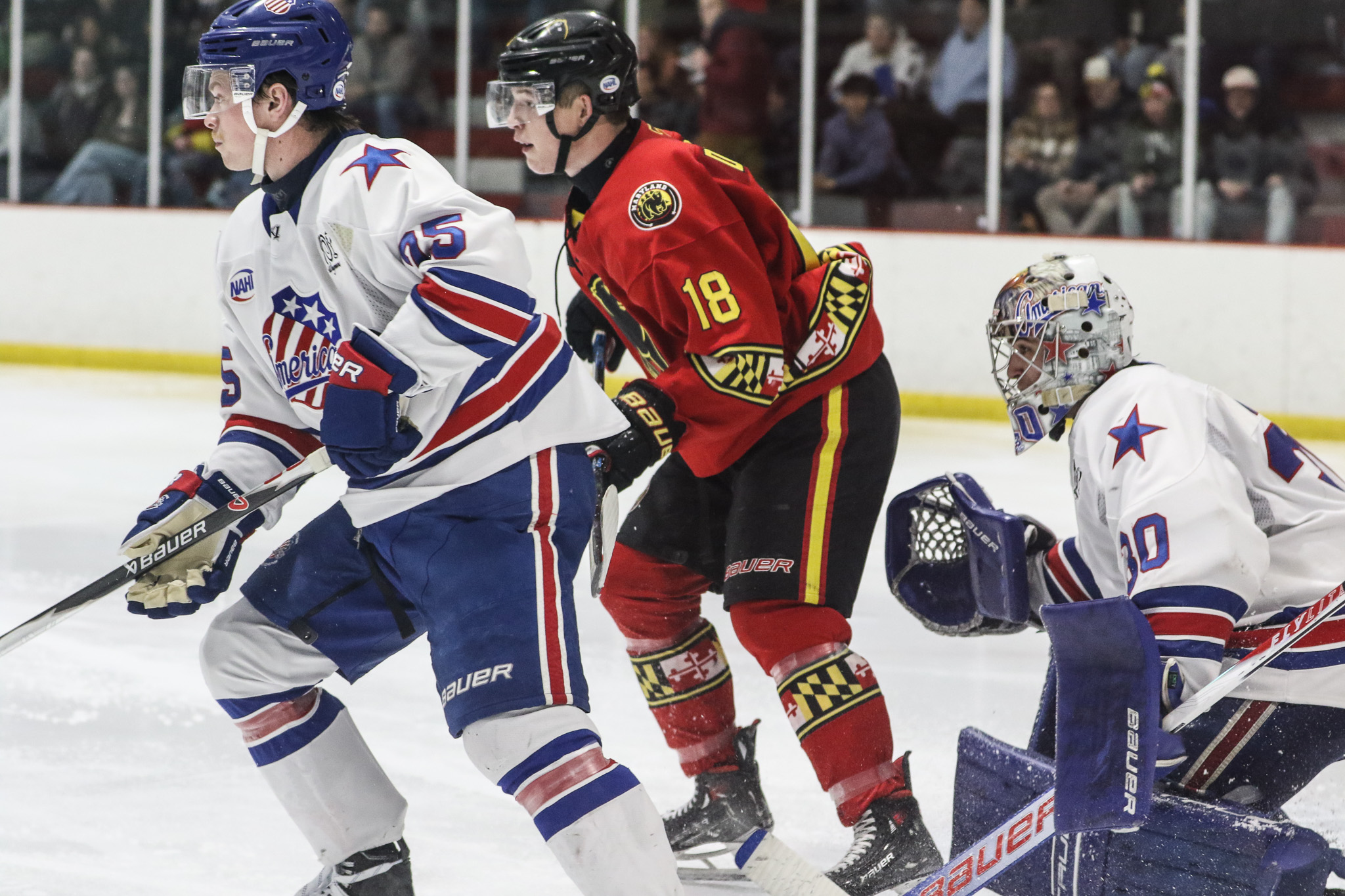
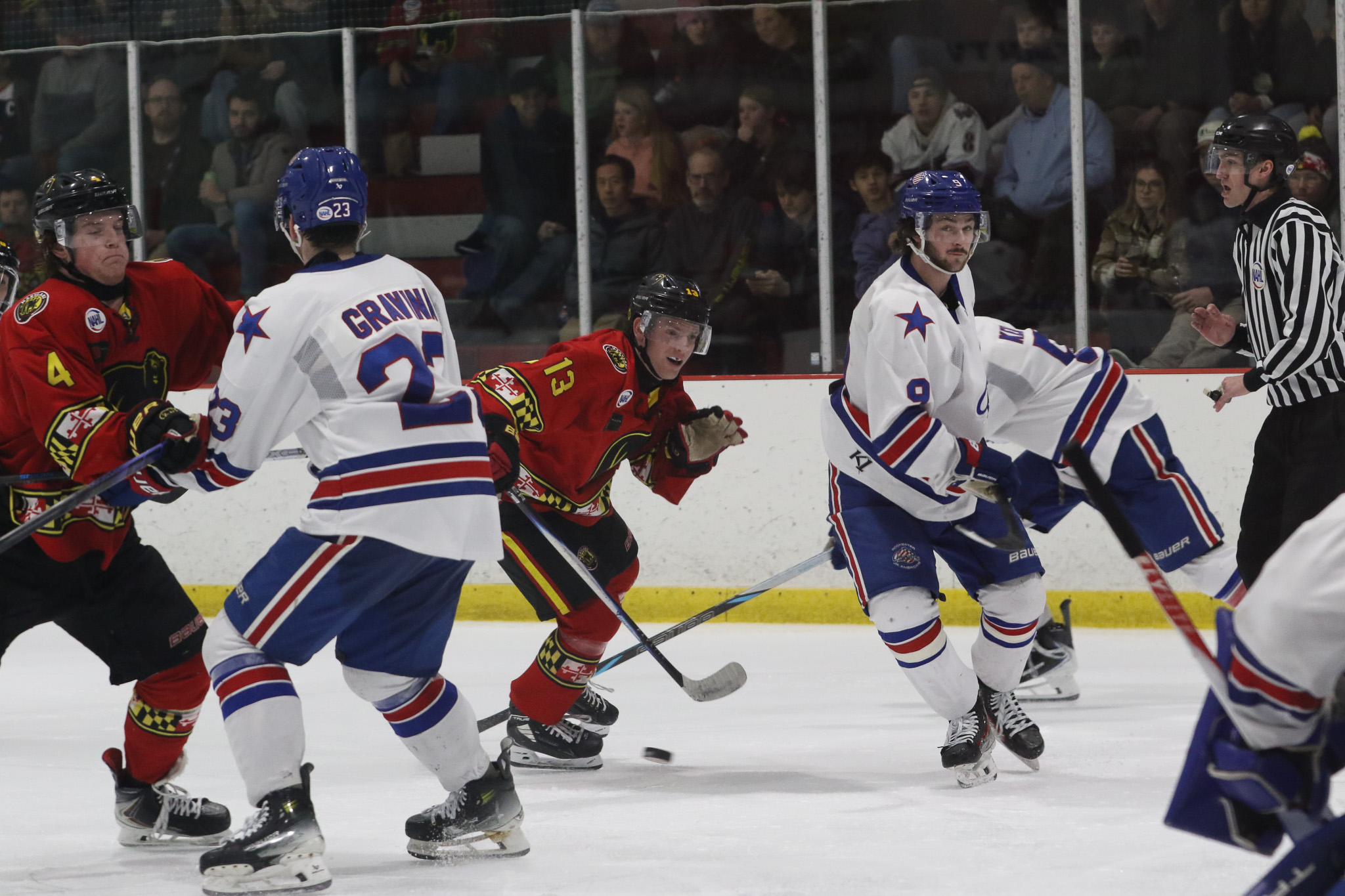
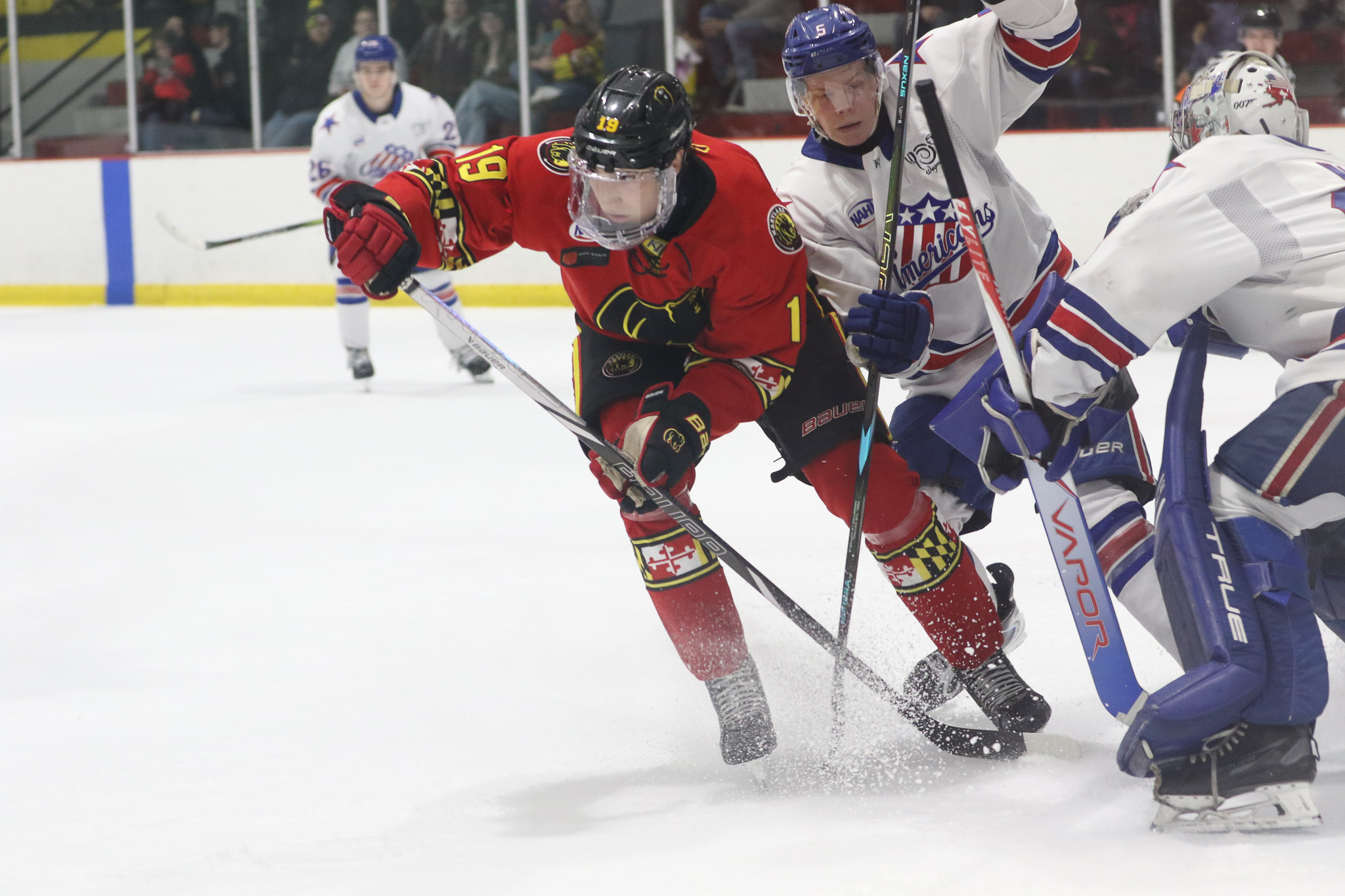
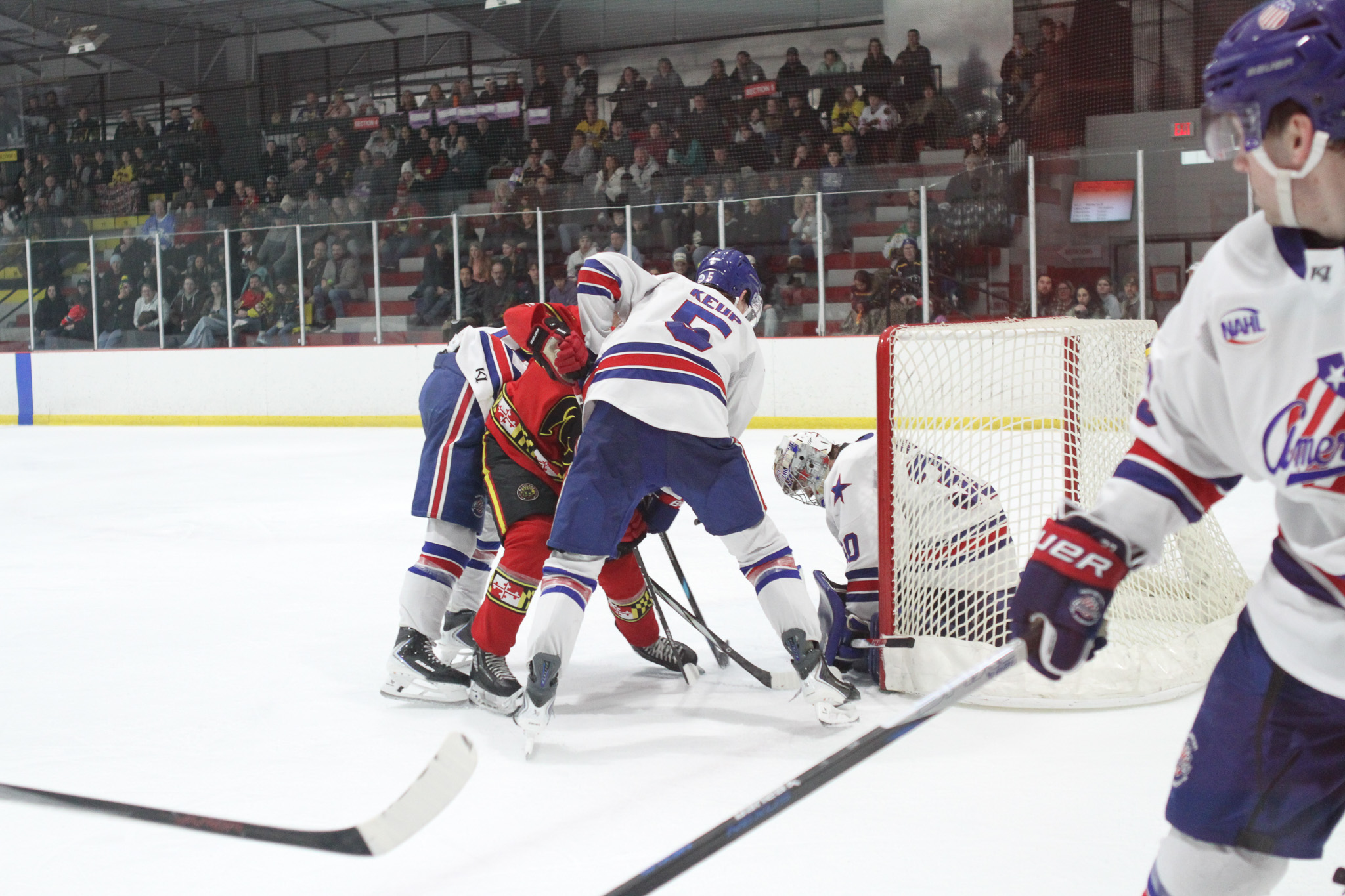
The Maryland Black Bears were hoping to continue its five game win streak and 14 game point streak alive as they took the ice at home against the Rochester Jr. Americans. However, the Jr.Americans started out strong and never looked back en route to a 6-2 win.

Rochester started the scoring with three first period goals from forward Konner Powell,
defenseman Michael Gravina, and forward Keanen Dewberry for an early 3-0 lead. Jr.
Americans’ forward Owen King made it 4-0 early in the second period before Maryland
responded with a breakaway goal from Harrison Smith. Smith beat Rochester goaltender
Florian Wade under the glove to make it 4-1. Despite a strong effort, King would beat Black Bears goaltender Ryan Denes on a pass that deflected off a Maryland defender and in to make it 5-1.

Dom Gatto took the crease in the third period for the Black Bears. Maryland forward Ryan
Franks scored off of a snap shot early in the final frame from the near circle to make it 5-2.
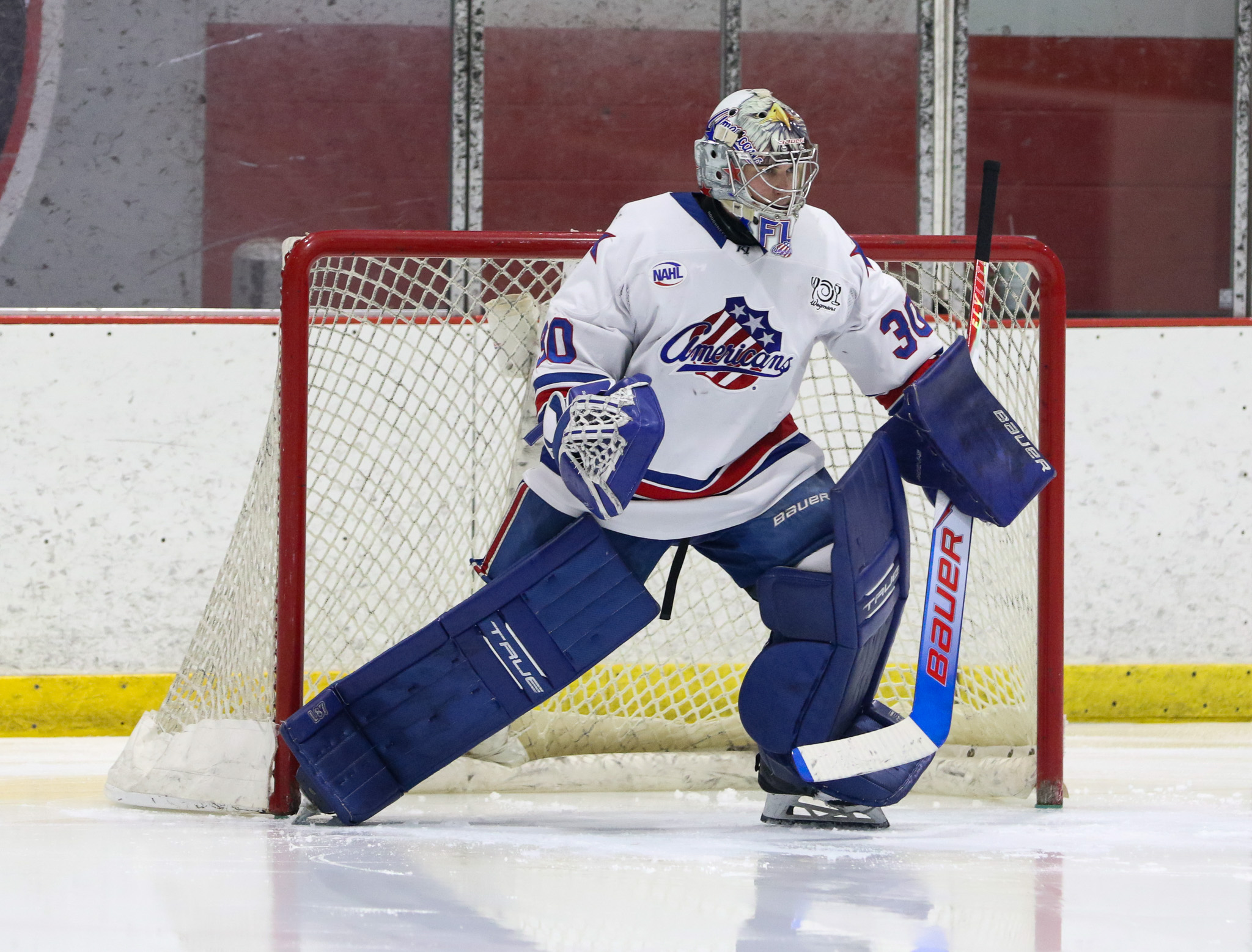
Powell would beat Gatto on a wrist shot from the far circle in the final minutes to make the final score 6-2 in favor of the Jr. Americans. Denes made 10 saves and Gatto made four saves in the loss for Maryland while Wade turned aside 25 saves for Rochester.

Maryland and Rochester will take the ice at Piney Orchard Ice Arena again Saturday night at 7:00 p.m ET. All games can be streamed on NATV.

Match report courtesy Maryland Black Bears


Recap of World Junior Championship from 4 January 2026

Day 10 games

Czechia 6, Canada 4: Tomas Poletin (New York Islanders) scored with 1:14 remaining in the third period to help Czechia advance to the gold-medal game against Sweden at Grand Casino Arena in St. Paul on Monday (8:30 p.m. ET; NHLN, TSN).

Poletin was battling at the net front with Canada forward Michael Misa (San Jose Sharks) when a shot by Czechia forward Maxmilian Curran (Colorado Avalanche) deflected off his skate and into the net for a 5-4 lead.2026 World Junior Ice Hockey Championships - Wikipedia

Vojtech Cihar (Los Angeles Kings) scored two goals, and Curran and Adam Benak (Minnesota Wild) each had a goal and two assists for Czechia. Adam Titlbach (2026 draft) scored, and Michal Orsulak (2026 draft) made 20 saves.

“We were ready, the guys had energy,” Czechia coach Patrik Augusta said. “There was a lot of energy in the room before we got out, even more than last year, I felt. We played really good 5-on-5. We didn’t want to give up power-play chances for Canada, we knew how great they are on the puck with the man advantage.

‘I’d say we were a little more hungry and the guys just showed they are a team, showed a lot of character and a lot of will to beat them.”

Zayne Parekh (Calgary Flames), Tij Iginla (Utah Mammoth), Porter Martone (Philadelphia Flyers) and Cole Reschny (Calgary Flames) scored for Canada, and Michael Hage (Montreal Canadiens) had two assists. Jack Ivankovic (Nashville Predators) made 31 saves.

Canada will play Finland for the bronze medal Monday (4:30 p.m. ET; NHLN, TSN).

“Gave up too many goals,” Canada coach Dale Hunter said. “Played on our heels a bit. But we got battling, battled back a couple times, came back on them. Got to play better defensively.”

Czechia has defeated Canada in the medal round in three straight World Juniors, after victories in the quarterfinals of the 2024 and 2025 WJC.

Iginla made it 1-0 Canada with a power-play goal at 15:14. A Parekh shot from the blue line went wide of the net and kicked off the boards back into the slot. Misa and Jett Luchanko (Philadelphia Flyers) fought for possession at the side of the net, with Misa passing through the crease to Iginla for the goal.

Curran tied to 1-1 at 16:56.

Titlbach put Czechia ahead 2-1 at 3:44 of the second period. A one-timer by Max Psenicka (Utah Mammoth) from the right face-off circle was blocked, but the puck came back to him, and he found Titlbach in the slot for a shot that went past Ivankovic’s glove.

Parekh scored during a 5-on-3 power play to tie it 2-2 at 12:38, scoring from the right face-off circle through a Reschny screen.

Hage had two penalty shot chances to put his team ahead at 18:04. After missing on his first chance, referees ruled he had been tripped by Orsulak and gave him another attempt. But as he skated in, the puck rolled off his stick as he tried a backhand deke.

Benak finished a 2-on-1 rush to put Czechia ahead 3-2 at 19:17. A Canada giveaway at center ice led to Curran leading the odd-man break-in. He made a pass through the seam to Benak, who finished with a shot past Ivankovic’s left pad.

“I think just our confidence was there,” Benak said. “We knew that we are a good team. We know that we can play hockey, and we just knew that we will win today. So that’s what we did. And we are happy for that.”

Reschny tied the game 3-3 at 3:59 of the third period. Hage passed the puck to Reschny along the goal line on the right side of the Czechia zone, and he stepped in front and stuffed it under Orsulak.

Cihar put Czechia ahead 4-3 at 9:49 when he took a pass from Vaclav Nestrasil (Chicago Blackhawks), cut around Canada forward Caleb Desnoyers (Utah Mammoth) as he skated to the net, and lifted the puck over Ivankovic’s left shoulder.

Martone tied it for Canada 4-4 at 17:19 when he banged in the rebound of a Harrison Brunicke (Pittsburgh Penguins) shot from the net front.

After Poletin’s goal, Cihar scored an empty-net power-play goal at 19:34.

Sweden 4, Finland 3 (shootout): Anton Frondell (Chicago Blackhawks) scored in the eighth round of a shootout to help Sweden advance to the gold-medal game at Grand Casino Arena.

“I blacked out,” Frondell said. “It was an amazing feeling. Third time. I had three tries, so happy the last one went in.”

Ivar Stenberg, a projected top-five pick in the 2026 NHL Draft, and Eddie Genborg (Detroit Red Wings) each had a goal and an assist, and Love Harenstam (St. Louis Blues) made 33 saves for Sweden, which advanced to the championship game for the second time in three years.

Sweden, which seeks its first gold medal since 2012, is 22-20 with two ties in the all-time series against Finland since the inaugural 1977 World Juniors. The last 10 matches between the rivals has been decided by one goal, including Finland’s 4-3 overtime victory in the semifinals at the 2025 WJC in Ottawa.

“It was a good game, a little up and down, but the second period was really good for us,” Stenberg said.

Sweden’s line of Stenberg, Viggo Bjorck (2026 draft eligible) and Genborg combined for five points (two goals, three assists).

Petteri Rimpinen (Los Angeles Kings) made 36 saves for Finland.

“I’m just really sad right now,” Rimpinen said. “This is going to sting for the rest of my life, for sure. So [a heck] of a group. We played a really good game against a really good opponent and fought till the very end. And of course, needed one more save.”

Linus Eriksson (Florida Panthers) gave Sweden 1-0 lead just 36 seconds into the first period when his shot from the top of the left face-off circle from along the boards deflected off the glove of Rimpinen and into the net.

Atte Joki (Dallas Stars) pulled Finland into a 1-1 tie at 16:26 of the first when his shot from the top of the right circle beat Harenstam inside the right post.

Stenberg gave Sweden a 2-1 lead during a delayed penalty on a snap shot from the high slot at 1:20 of the second period.

Jasper Kuhta (2026 draft eligible) made it 2-2 just 50 seconds later when his shot attempt from the slot bounced off the glass and back over the net before Sweden defenseman Alfons Freij (Winnipeg Jets) swung and knocked it off of Harenstam’s back and into the net at 2:10.

Genborg gave Sweden a 3-2 lead at 14:07 of the second when his shot at the left post bounced in behind Rimpinen, whose stick got stuck in the netting inside the goal.

Joona Saarelainen (Tampa Bay Lightning) pulled Finland into a 3-3 tie at 14:01 of the third period, scoring from low in the right circle after the puck bounced off two players in the slot.

In the shootout, Matias Vanhanen (2026 draft eligible) scored in the second round for Finland, and Jack Berglund (Philadelphia Flyers) scored in the fifth round, and Frondell won it three rounds later.

“I was so nervous,” Berglund said. “You can’t block that out. But I love those moments. … I’ve dreamed about shootout like that. So it was a relief to see it go in as well.”

NHL.com deputy managing editor Adam Kimelman, senior draft writer Mike G. Morreale and independent correspondent Jessi Pierce contributed to this report